Federal transit grants newly obligated to the District of Columbia totaled $164.2 million in the 90 days ending November 24, 2026, a 512% increase over the $26.8 million recorded in the same window a year earlier. One award accounts for nearly all of it: a $143.5 million PRIIA capital grant (FAIN DC-2026-015) that FTA Region 3 obligated to WMATA on September 3, the last full-scale installment issued under the Infrastructure Investment and Jobs Act's authorization structure before that law expired on September 30.
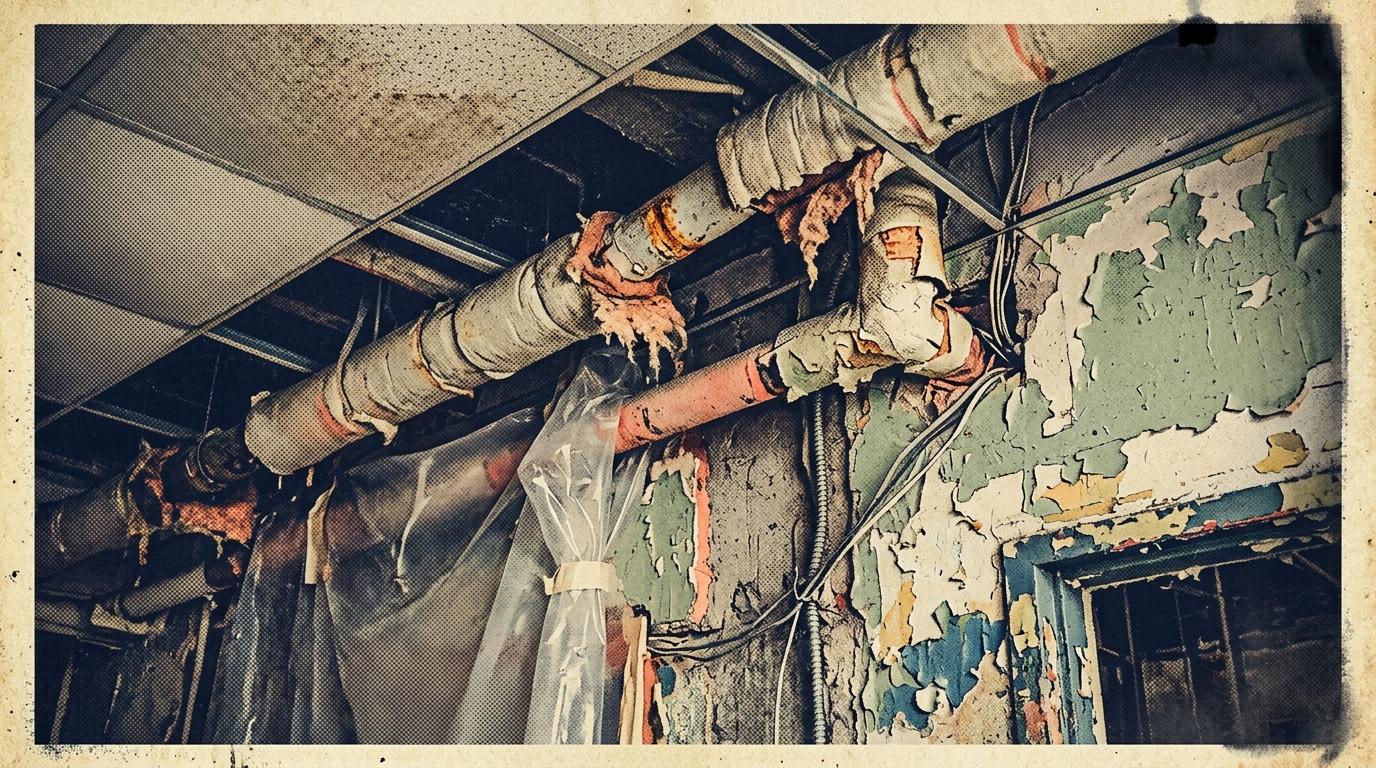
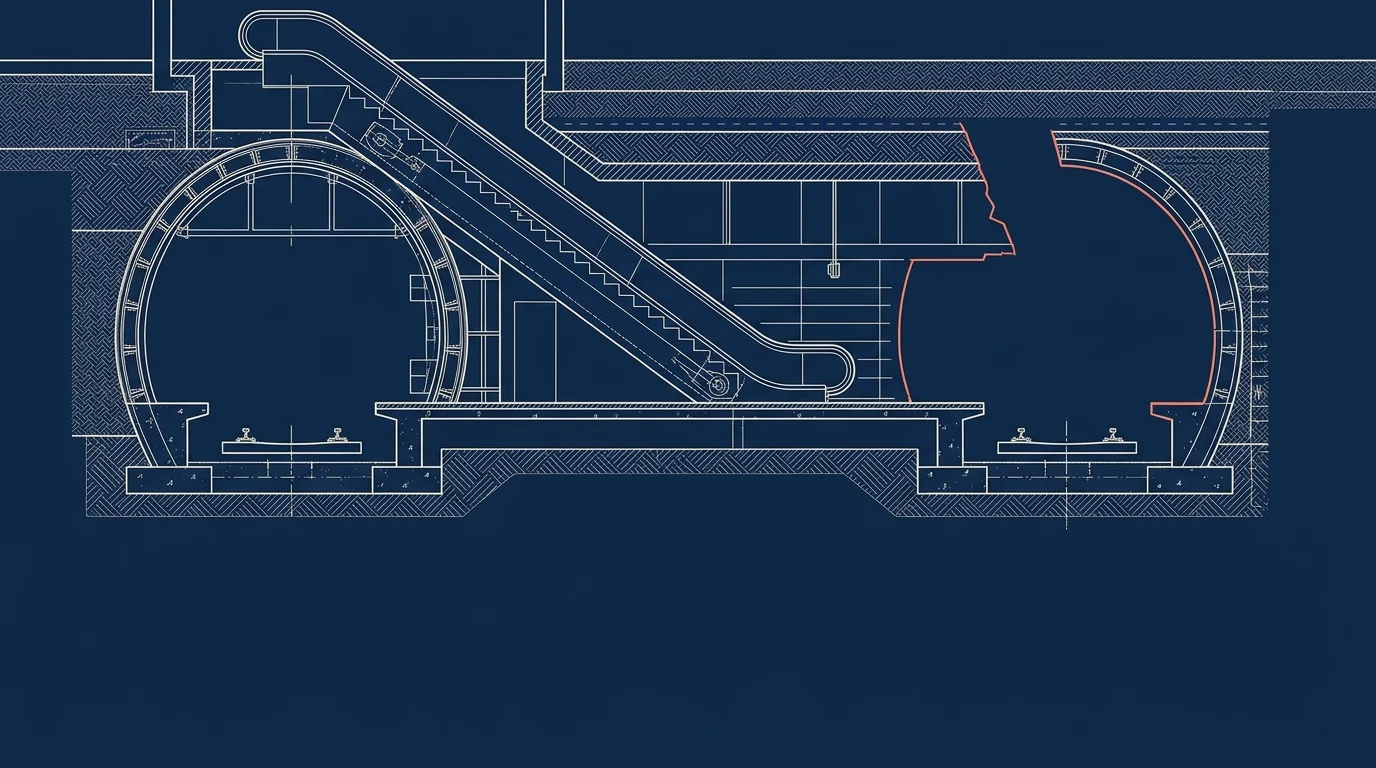
The timing was not accidental. WMATA and FTA moved within two days of each other's calendar, the obligation landed 27 days before the IIJA window closed. The grant covers state-of-good-repair work WMATA has been deferring for years: escalator replacement, tunnel water leak mitigation, platform rehabilitation, automatic train control upgrades, and radio system modernization, with a performance period running through June 2032. As a previously published NationGraph article on the WMATA PRIIA award noted, the FY2026 grant is locked. The FY2027 installment is not.
The PRIIA program is a statutory formula allocation specific to WMATA and Amtrak, authorized under the Passenger Rail Investment and Improvement Act and distinct from the standard FTA formula grants, Section 5337 State of Good Repair and Section 5307 Urbanized Area Formula, that make up the rest of WMATA's approximately $1.21 billion active federal portfolio across 17 concurrent awards. Those formula programs are also affected by the IIJA's expiration, but PRIIA's exposure is more acute: its annual installment to WMATA ran at roughly $144 million under the IIJA structure, and the stopgap Congress passed on September 2 (P.L. Continuing Appropriations and Extensions Act of 2027, effective through December 11, 2026) did not extend the IIJA's advance appropriations. According to analysis by the Union of Concerned Scientists, the stopgap cuts new transit investment 20% and passenger rail investment 82% from IIJA levels, leaving a reported $36.8 billion annual shortfall beginning October 1.
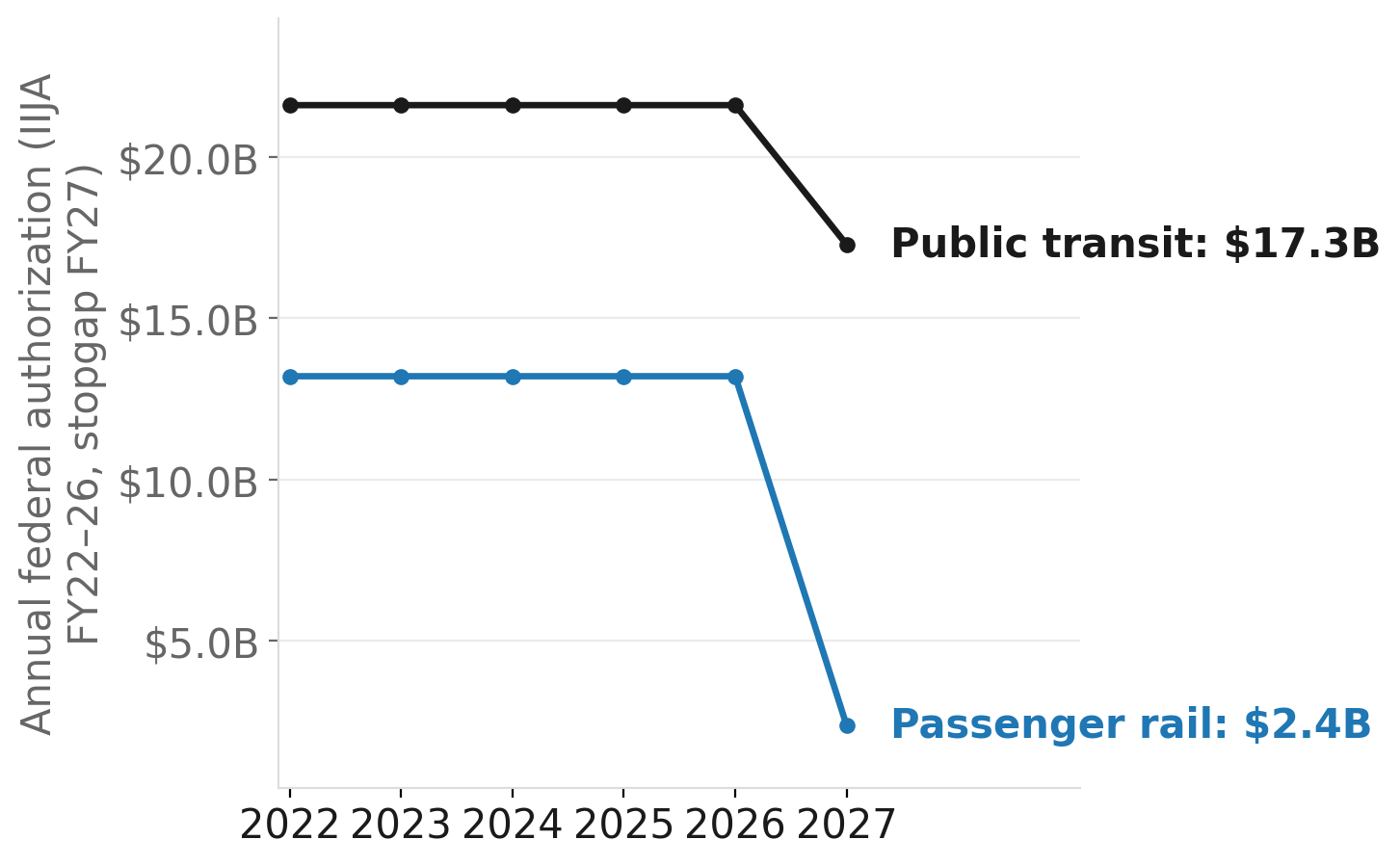
Source: NationGraph.
For WMATA, that shortfall is not abstract. The authority has no independent taxing power. It depends on a tripartite compact with DC, Maryland, and Virginia for local match, and its rider base skews heavily toward federal employees, making it simultaneously the most federally dependent large transit system in the country and among the most politically exposed. Unlike state DOTs, which can often cross-subsidize transit programs from highway formula funds when capital programs are disrupted, the District has no such backstop. When federal capital dollars shrink, there is no formula cushion to draw from.
WMATA's own Q4 FY2026 financial report signals the uncertainty directly, noting that FTA applications for FY2026 and WMATA's FY2027 were "on hold pending resolution of the urbanized area formula cooperative agreement." That language means the next round of federal capital money has not been secured. The October 2026 RFP surge, 25 transit-tagged solicitations in a single month against a baseline of three to five per month in late 2025, reflects agencies moving fast to put the already-obligated capital to work before the procurement environment tightens further. That acceleration is real and ongoing, but it runs on money already in hand, not money still being negotiated.
The DC Council moved to hedge in October 2026, approving an emergency WMATA Dedicated Funding Grant Agreement committing $178.5 million per year in District capital funds for FY2027 through FY2032. That commitment is entirely separate from federal programs, a local appropriation channeled through a bilateral grant agreement, and NationGraph's earlier reporting on WMATA's federal grant activity captures how quickly the authority has had to move across multiple programs simultaneously. The District's emergency commitment signals that local officials do not expect the federal picture to clarify quickly.
The stopgap expires December 11. Congress must either pass a full surface transportation reauthorization, which would need to restore or exceed IIJA funding levels for PRIIA to continue at scale, or pass another extension. NACo has flagged the current extension as creating a transportation funding cliff for counties and transit agencies, and the Capital Investment Grant program, which funds new rail lines and bus corridors, was cut roughly in half under the stopgap terms.
What the 512% surge in DC transit grants actually measures is a single decision made under deadline pressure: lock in what you can before the authorization expires. The capital WMATA secured in September will fund real work on escalators and tunnels through 2032. What it will not do is guarantee that the FY2027 PRIIA installment arrives on the same terms, or at all, at scale. The number to watch now is not what was obligated in the last 90 days. It is what Congress does before December 11.