A stretch of South Lamar Boulevard in Austin, Texas that has long lacked safe sidewalks and bike access is finally getting a full reconstruction, with the city now seeking a contractor to rebuild 1.5 miles of the corridor from US 290 to Montclaire Street.
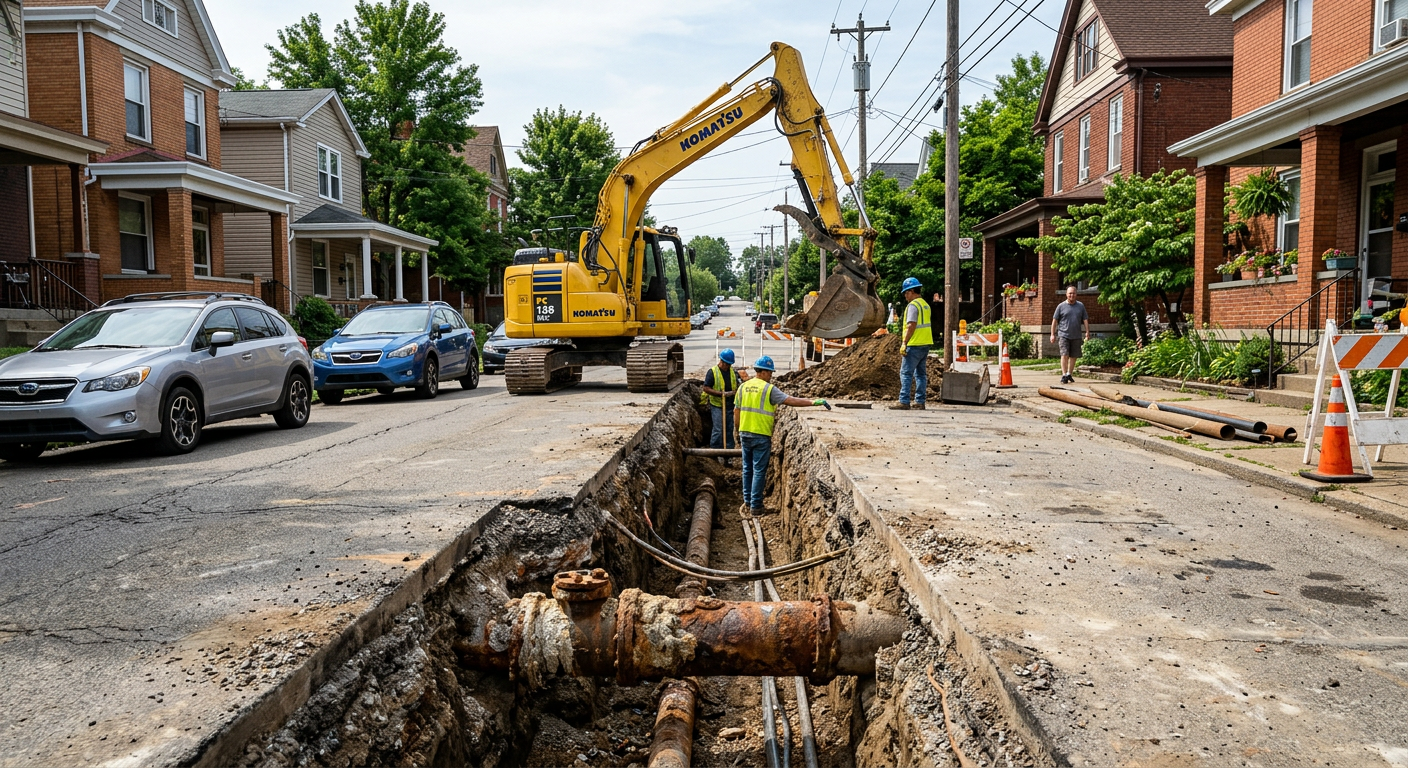
The project will narrow vehicle lanes by moving curbs closer to the road's centerline, freeing up space for protected bike lanes, ADA-compliant shared-use paths, and wider sidewalks. New and relocated bus stops, upgraded traffic signals, and underground water and wastewater line work are also part of the plan. Rain gardens, tree plantings, and irrigation systems will manage stormwater runoff along the rebuilt corridor.
The work is funded through Austin's voter-approved mobility bonds, a pair of packages totaling roughly $1.1 billion passed in 2016 and 2020 that launched the city's Corridor Construction Program to remake major arterials as complete streets. South Lamar was one of nine corridors identified in the original 2016 bond, but years of planning and design work pushed construction on the southern segment to now. Earlier phases closer to Barton Springs Road have already been completed.
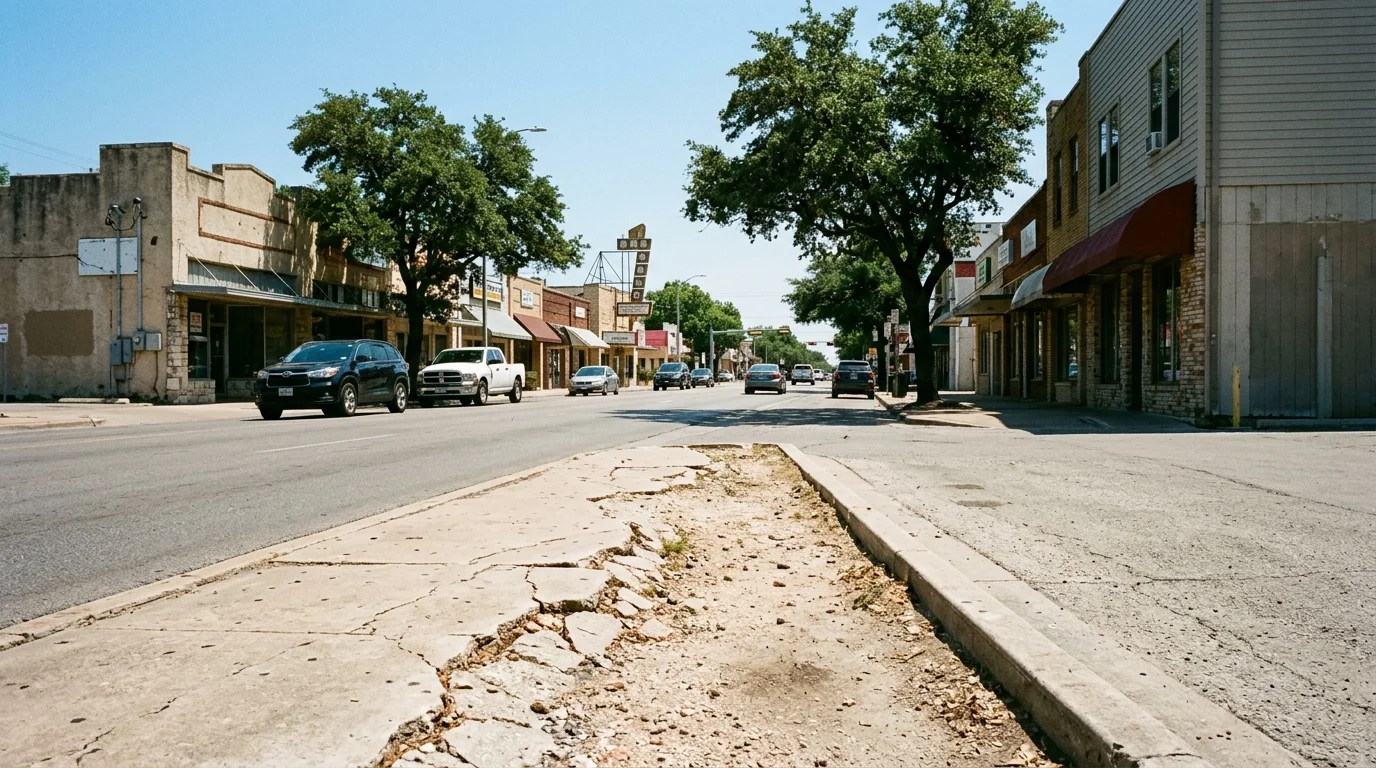
The stakes on this stretch are real. South Lamar between US 290 and Montclaire runs through one of South Austin's densest and fastest-changing neighborhoods, lined with apartment buildings, restaurants, and live music venues, yet the corridor has historically had missing or broken sidewalks and no continuous bike facilities. Austin recorded record traffic deaths in 2021 through 2023, and the city adopted a Vision Zero goal in 2016 pledging to eliminate fatalities, making projects like this central to that commitment.
The green infrastructure elements reflect a separate but parallel priority. Austin has faced repeated major flooding events, and the Watershed Protection Department has pushed to integrate rain gardens and planting zones into street rebuilds wherever possible.
As previously reported, this project has been years in the making, and the slow pace of bond delivery has drawn sustained criticism from both residents and advocacy groups. The city is now moving to select a contractor, with the solicitation posted on Austin's procurement portal. Once a contractor is on board, construction will bring significant disruption to one of South Austin's busiest commercial corridors before the finished street takes shape.