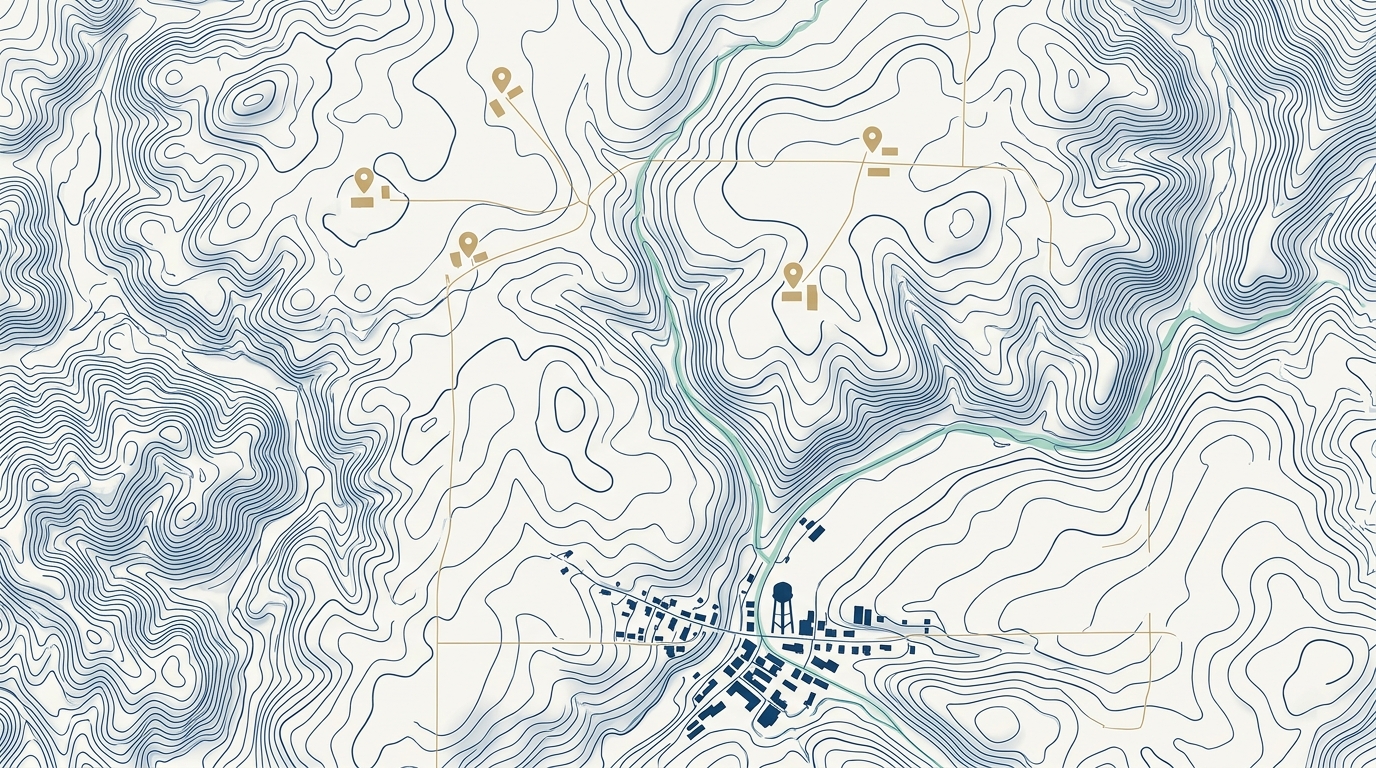
For residents of Vernon Center, a small hamlet in Oneida County, New York, the water coming out of their taps has long been a source of anxiety rather than relief. Like thousands of rural communities across upstate New York, Vernon Center developed incrementally over decades without centralized water planning, leaving roughly 173 households dependent on private wells that have struggled with poor water quality. That's about to change.
The town of Vernon is receiving a $3 million EPA grant to build a public drinking water system for the affected properties, connecting them to the City of Oneida's existing municipal water supply via a new distribution pipeline, pump station, and a 158,400-gallon elevated storage tank. The project will also require the formal creation of a Vernon Center Water District, a new governmental entity under New York Town Law.
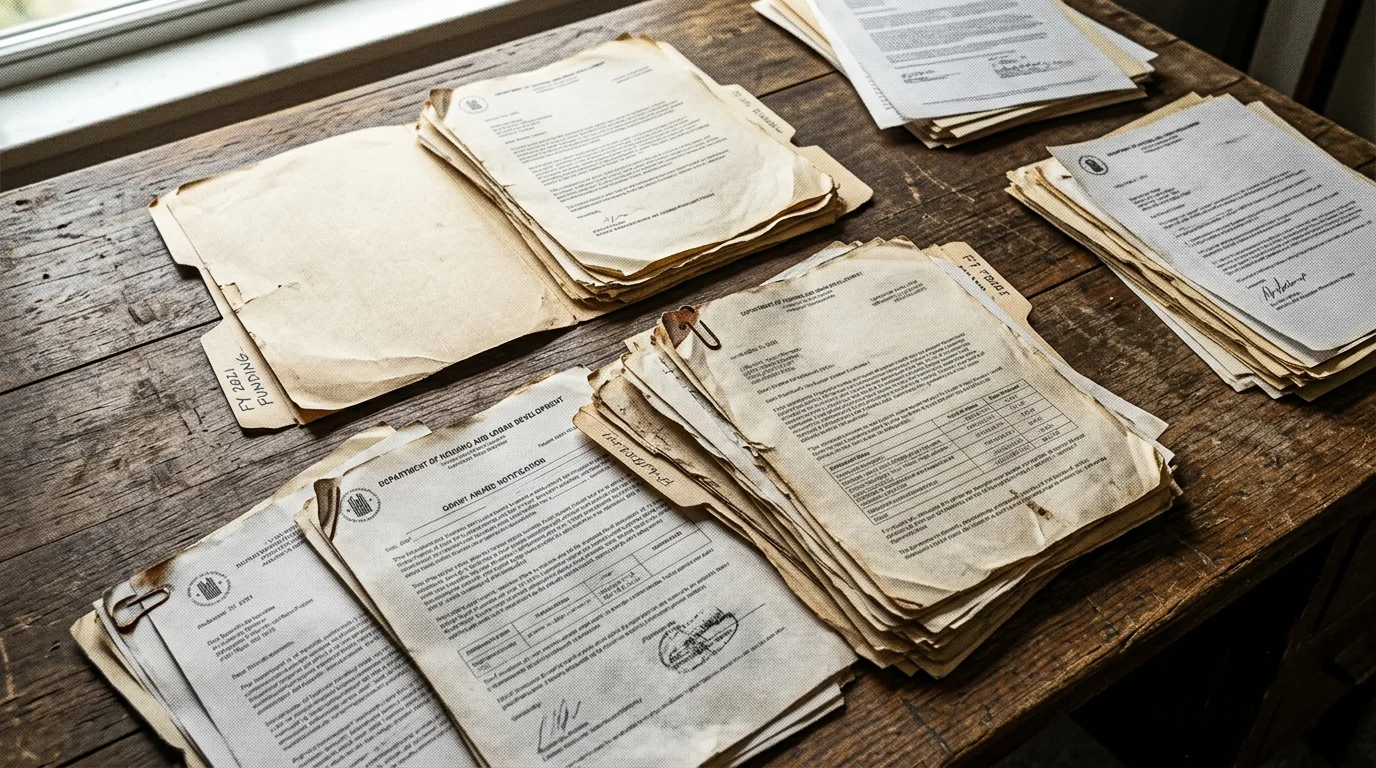
The funding comes through the 2022 Consolidated Appropriations Act as a congressionally directed project, the mechanism commonly known as an earmark. Congress revived earmarks in 2021 after a decade-long ban, renaming them "Community Project Funding" and adding new transparency requirements. Rural districts like this one in central New York were among the immediate beneficiaries: small communities with genuine infrastructure needs but without the tax base or political visibility to compete for traditional competitive grants. The three years between the 2022 appropriation and this month's award reflect the unglamorous reality of rural water projects: engineering studies, environmental review, voter approval of the new water district, and negotiations with the City of Oneida all had to come first.
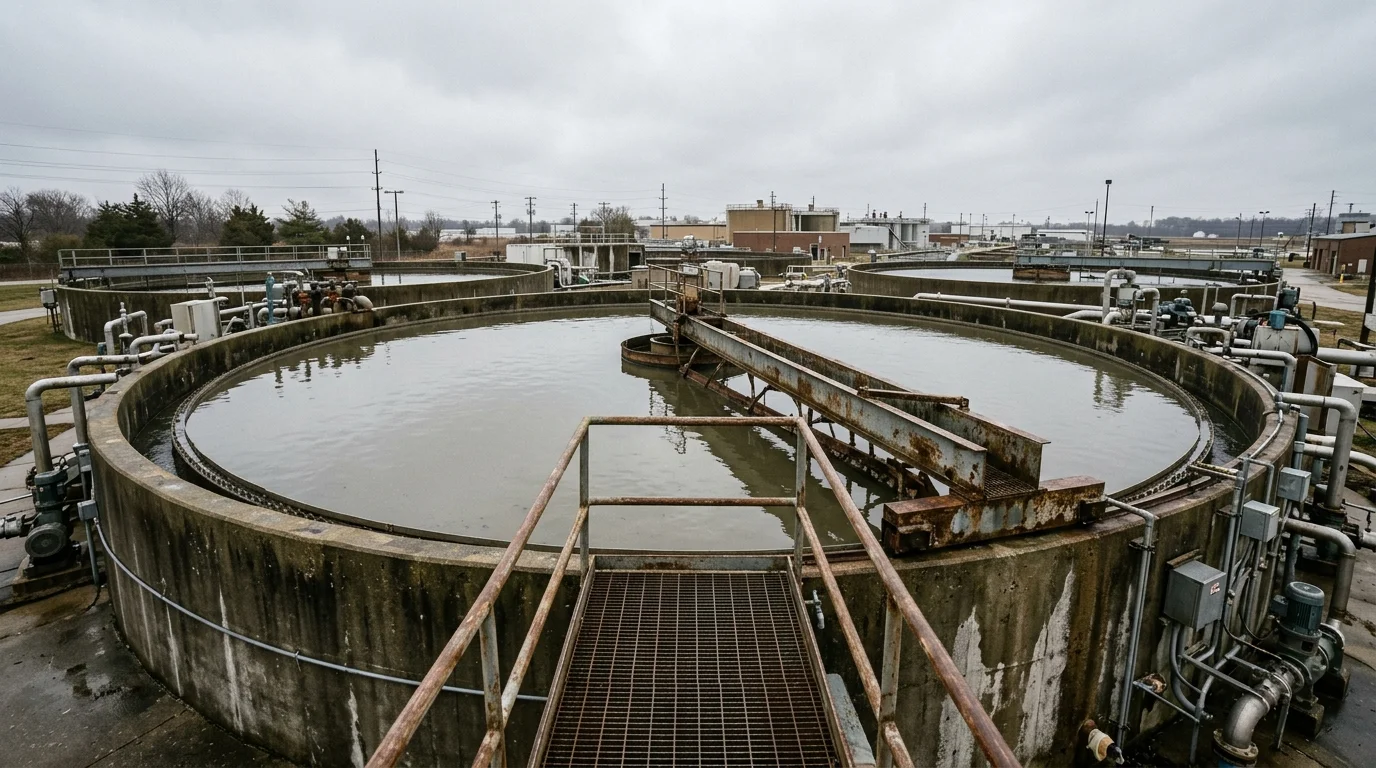
The reliance on Oneida as the water source is a practical and cost-saving choice. The city, about five miles away with a population of roughly 11,000, has existing treated water capacity that Vernon Center can tap into rather than building and operating its own treatment plant, which would be prohibitively expensive for just 173 connections. The storage tank will also extend fire protection to surrounding properties that currently lack hydrant access, a secondary benefit with real consequences for rural homeowners and their insurance costs.
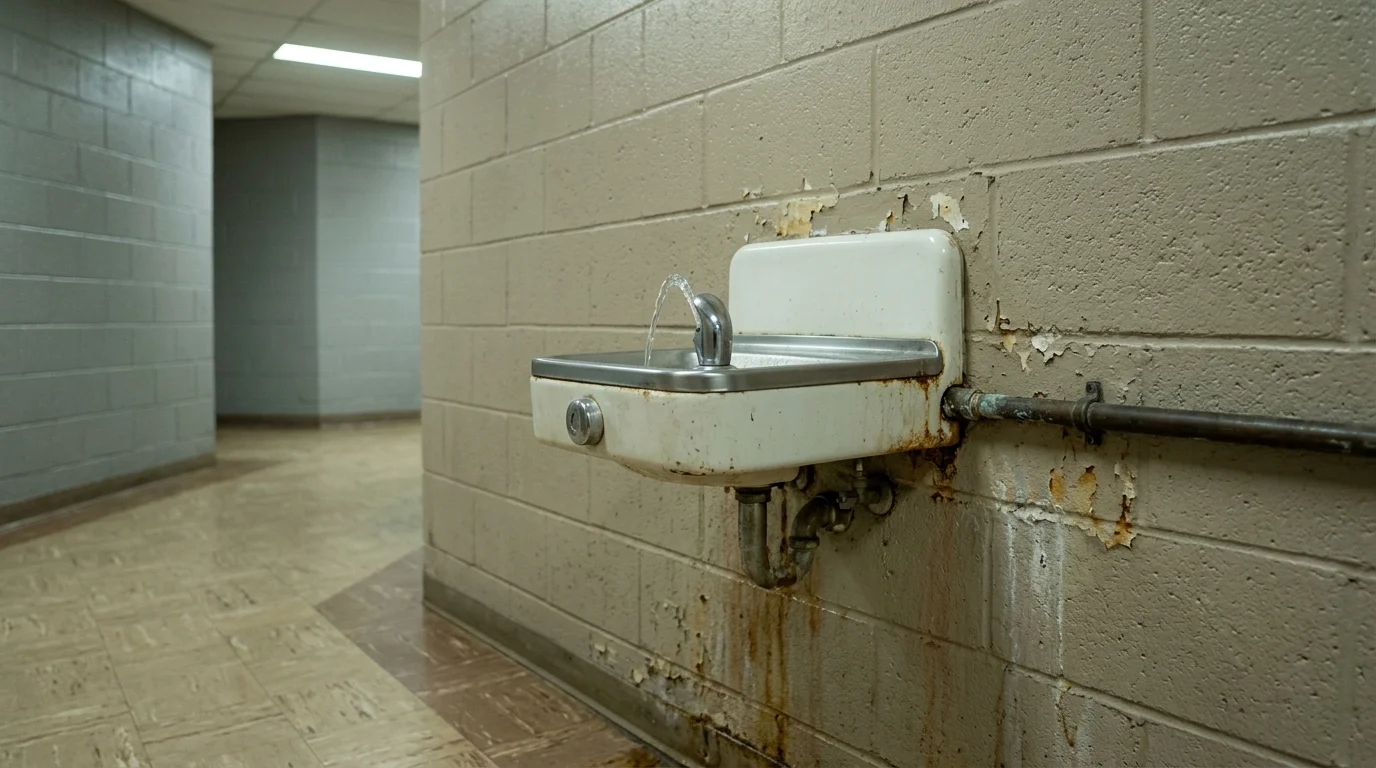
The gap that this project is filling is a familiar one. Private wells have no federal monitoring requirements under the Safe Drinking Water Act, meaning homeowners are solely responsible for testing and treating their own water. Contamination sources in areas like Vernon Center can include naturally occurring minerals, agricultural runoff, and aging septic infrastructure in neighborhoods never designed for the density they now carry. Without a public system and without the money to build one, residents have largely been left to manage on their own.
Vernon is a town of about 5,100 people, down from its historical peak and facing the same pressures of population decline and an aging housing stock that have strained municipalities across upstate New York. Oneida County's median household income runs below the state average. Communities in this position rarely have the bonding capacity to finance a project of this scale independently, which is precisely the gap that the revived earmark process was designed to address, at least in part.
The broader national context is significant. The 2021 Bipartisan Infrastructure Law committed $55 billion to water systems, the largest federal water investment in U.S. history, driven by headline crises in Flint, Michigan and Jackson, Mississippi and by growing awareness of PFAS contamination nationwide. Vernon Center's problems are less dramatic than those cases but far more representative of the daily reality facing rural communities. The EPA estimates total national water infrastructure needs at $625 billion over the next 20 years, with small and rural systems accounting for a disproportionate share. Similar projects have worked in communities like Idledale, Colorado, which recently secured funding for its first real drinking water system after years without one.
The grant description notes that additional community funding, likely from state sources such as New York's Water Infrastructure Improvement Act program, is anticipated to cover portions of the pump station and storage tank construction, suggesting the $3 million federal award is one piece of a larger financing package.
Formation of the Vernon Center Water District and finalization of the inter-municipal agreement with the City of Oneida are the key next steps before construction can begin. For the 173 households waiting on the other side of that process, the finish line is closer than it has ever been.