Springdale, Arkansas is closing a long-standing gap in Northwest Arkansas's regional trail network, using a $137,920 federal grant to build a shared-use path that will finally link the city to the trail system at Lake Fayetteville.
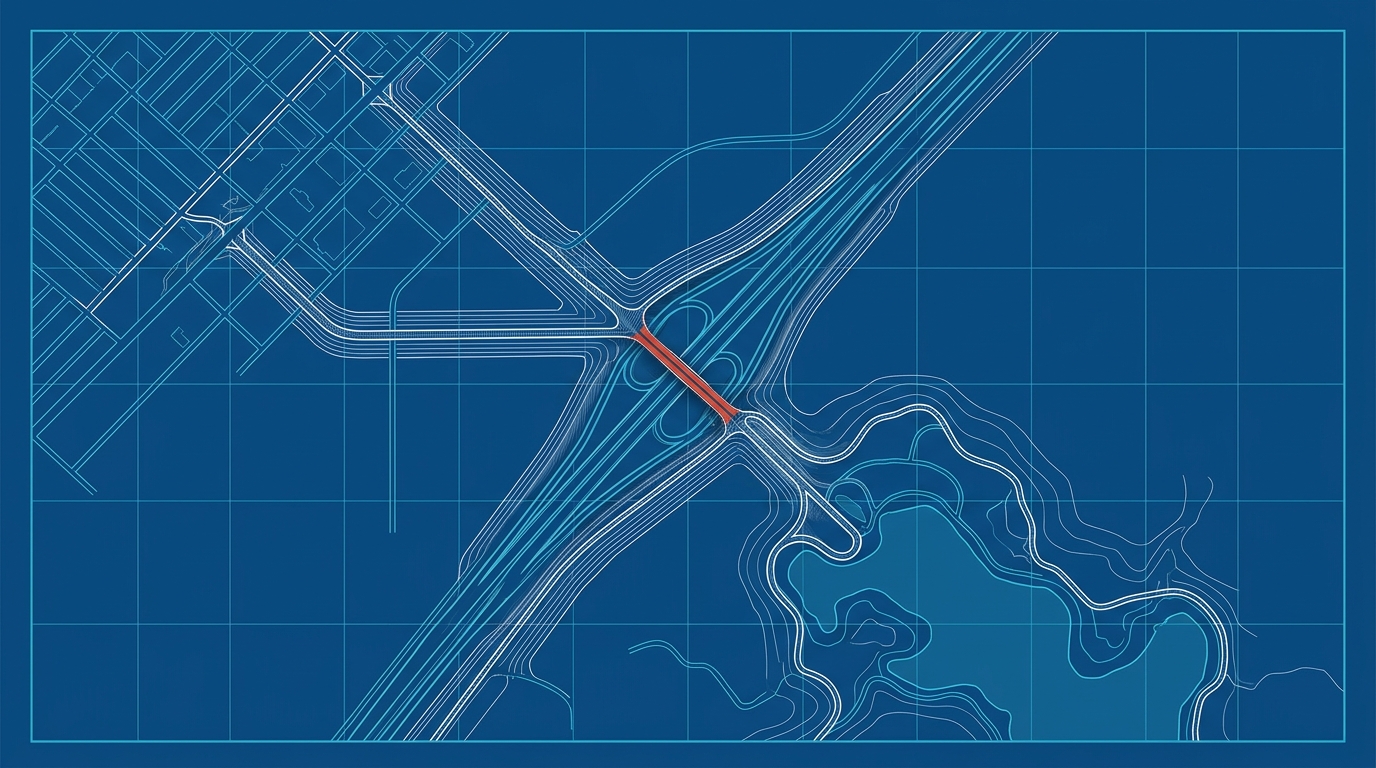
The new segment, called Deans Trail Phase IIIB, will connect the end of the existing Deans Trail at Don Tyson Parkway to the Fayetteville trail network to the south. It's a modest piece of infrastructure, but it effectively stitches Springdale into a regional system that stretches more than 100 paved miles through Bentonville, Rogers, and Fayetteville.
Springdale, with roughly 90,000 residents, is the fourth-largest city in Arkansas and one of the fastest-growing in the country. It is also the most diverse city in the Northwest Arkansas metro, with a large Hispanic and Latino population and significant Marshallese and Pacific Islander communities. These are residents who disproportionately walk, bike, and use transit to get around, and who have had the least access to the trail infrastructure that has become a point of regional pride.
Northwest Arkansas's trail network, built incrementally over two decades with substantial backing from the Walton Family Foundation, has drawn national attention as a model for mid-sized metro trail development and is frequently credited with helping major employers like Walmart and Tyson Foods attract workers to the region. But Springdale, home to Tyson Foods' headquarters, has historically lagged behind its neighbors in trail connectivity. Don Tyson Parkway, a busy commercial corridor that has seen rapid development in recent years, was built for cars, and connecting pedestrians and cyclists safely across and along it has been a persistent challenge.
The funding comes from the federal Safe Streets and Roads for All program, created by the 2021 Bipartisan Infrastructure Law with $5 billion to reduce traffic deaths and serious injuries. Similar SS4A awards have supported pedestrian safety projects across the country, including in Chattahoochee, Florida and communities in Northwest Ohio. The program's future is uncertain under the current administration, which has signaled shifting infrastructure priorities, making already-awarded grants like this one more significant for communities counting on the funding.
The grant was posted in March 2026, pointing to construction activity later this year.