Connecticut researchers are tackling one of neurology's most stubborn unsolved problems: figuring out which traumatic brain injury patients will later develop epilepsy, before the first seizure ever strikes.
Nearly 400,000 Americans develop post-traumatic epilepsy each year, a condition that significantly complicates recovery and adds enormous psychological and financial strain on top of an already devastating injury. Clinicians have known for decades that certain factors raise the risk, including injury severity and early bleeding in the brain, but those general markers can't reliably predict what will happen to any individual patient. That gap has left doctors with little to offer beyond watchful waiting.
A $722,338 grant from the National Institute of Neurological Disorders and Stroke is funding a team based in Connecticut to change that, using artificial intelligence to find patterns that human review has missed. The award, a major NIH R01 research grant, will support analysis of data from roughly 3,000 TBI survivors.
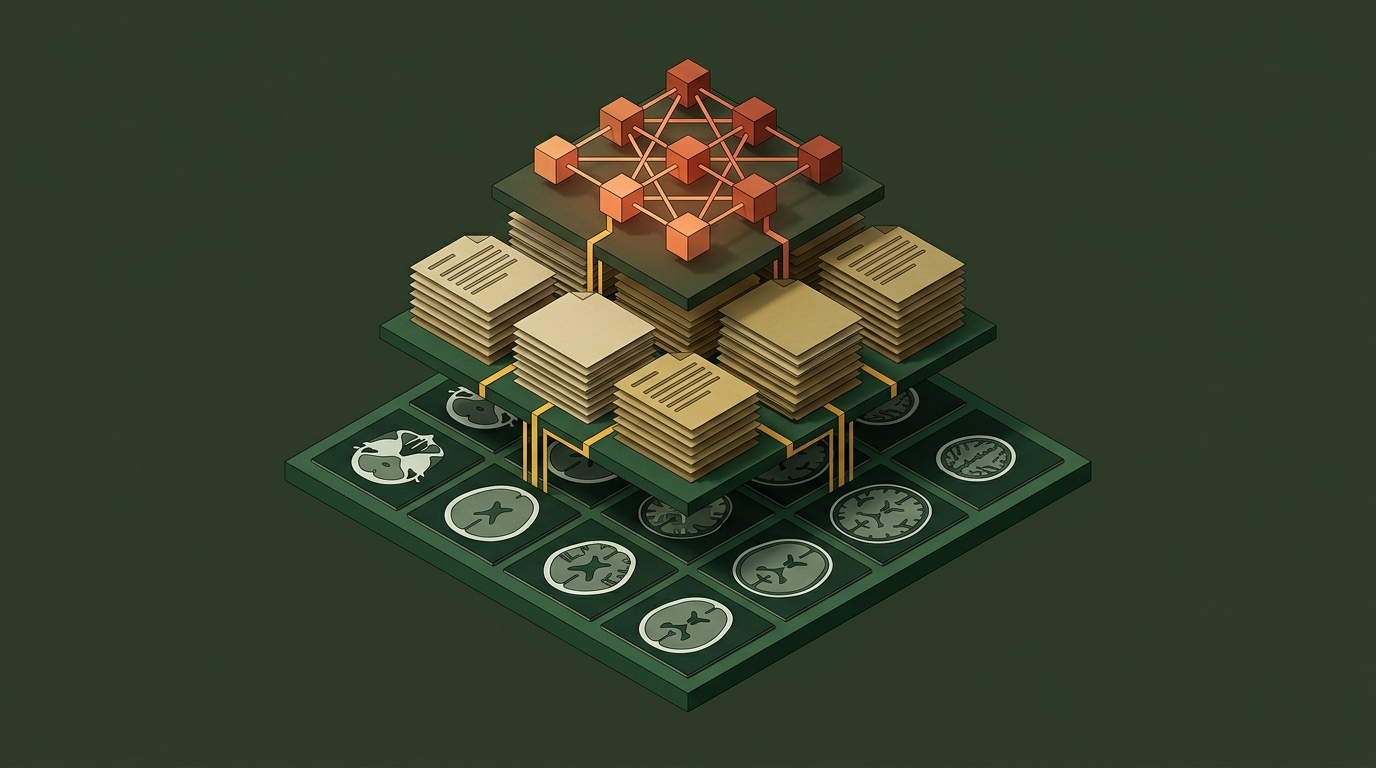
The approach centers on information hospitals already collect in the first week after a brain injury: electronic health records, including clinical notes, and standard CT and MRI scans. Using machine learning and natural language processing, the researchers aim to extract predictive signals from both the structured data in a patient's chart and the free-text notes that doctors and nurses write but that computers typically can't read. A separate deep-learning system will automatically analyze brain imaging to measure the size and location of contusions, factors that prior studies have linked to seizure risk but that are too time-consuming to quantify manually at scale.
The goal is a unified prediction model that integrates all of these data streams into a single risk score, usable in the days immediately after injury, when early intervention might still matter.
A recurring theme in the project is who gets left out of existing approaches. Current prediction tools tend to rely on specialized imaging or detailed manual chart reviews that are feasible at major academic medical centers but not at community hospitals serving lower-income patients. New Haven, Hartford, and Bridgeport, the communities closest to Connecticut's major trauma centers, have significant underserved populations where TBI from falls, car accidents, and violence is common. By building tools that run on routine clinical data, the researchers explicitly aim to make risk prediction available across a wider range of healthcare settings, not just well-resourced research hospitals.
Connecticut's relatively dense network of trauma centers and integrated health systems gives researchers access to the large patient volumes needed to train and validate models of this kind. If the approach proves out, the researchers expect it could provide a foundation for prevention trials testing whether high-risk patients benefit from earlier or more targeted intervention.
The project is funded under the NINDS Epilepsy Benchmarks, which have called for better prediction tools for epilepsy that develops after brain injury. Results from the data analysis phase will shape what a future clinical tool might look like and which patient populations it could realistically serve.