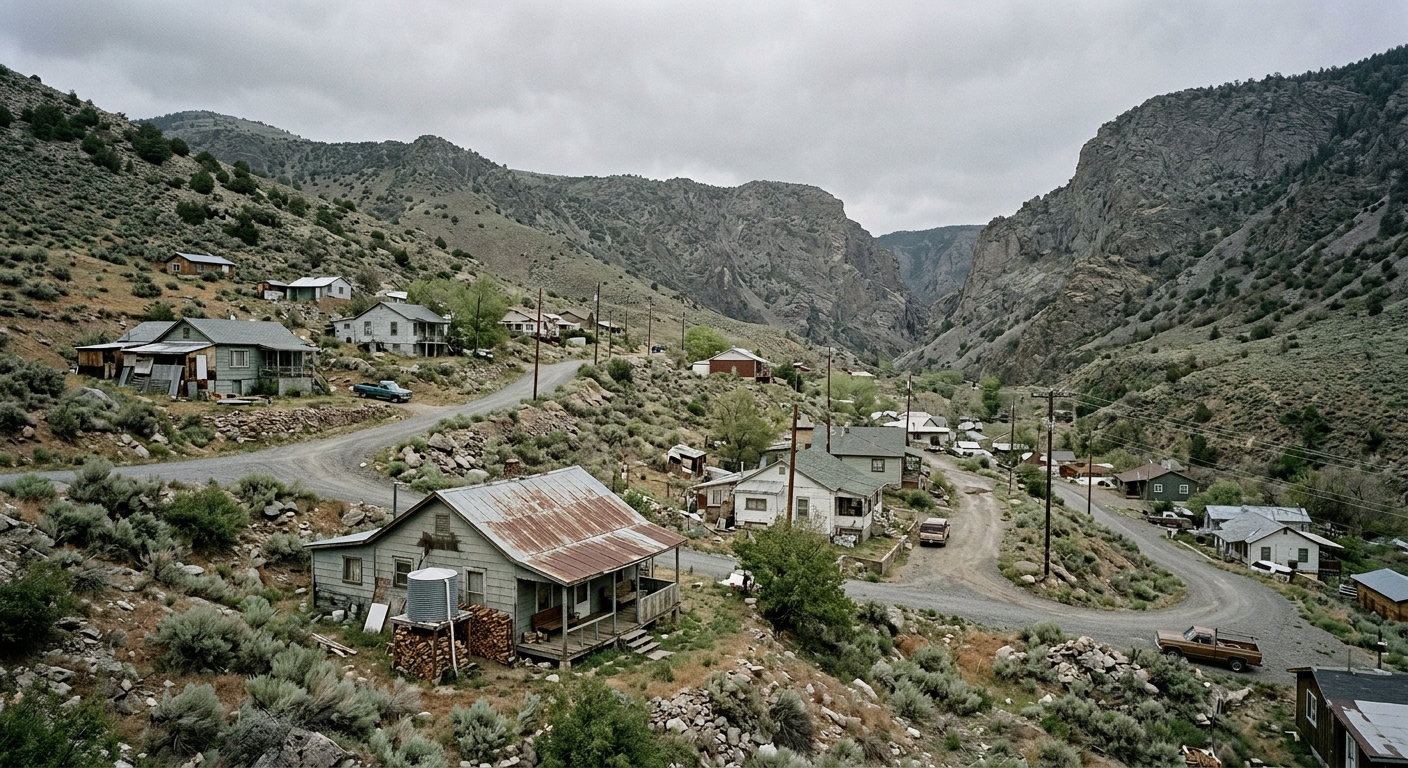
Residents of Idledale, a small community tucked into Bear Creek Canyon about 20 miles west of Denver, are set to get a centralized drinking water system, funded by a $959,752 federal grant awarded to the Idledale Water and Sanitation District.
The project appears to be foundational, not incremental. The grant funds the design of a drinking water system solution from scratch, along with the construction that follows. That scope suggests the community of likely a few hundred residents may currently lack adequate centralized water infrastructure altogether, or what exists is too deteriorated to salvage.
For a small special district operating on a limited budget, a project of this scale would be essentially out of reach without outside help. Colorado has more than 1,800 such special districts, many serving mountain communities where a narrow ratepayer base makes major capital investment nearly impossible. The Idledale district, which likely runs on under a million dollars annually, could not realistically finance a project of this magnitude on its own.
The money comes from the 2024 Consolidated Appropriations Act, under a process Congress restored in 2021 after a decade-long ban on earmarks. Now rebranded as Community Project Funding, these targeted appropriations allow individual members of Congress to direct federal dollars to specific local needs. Rep. Brittany Pettersen, whose 7th Congressional District covers Jefferson County's mountain communities, is the likely sponsor, though the grant record does not name the requesting member.
Idledale's situation is not unique. The EPA estimates the country needs $625 billion in drinking water infrastructure investment over the next 20 years, with small and rural systems facing the steepest challenges. Bear Creek Canyon communities have also endured compounding stress from the catastrophic 2013 Front Range floods, which damaged infrastructure throughout the area, and growing wildfire risk that can contaminate water sources and destroy distribution lines.
The grant was posted February 1, 2026, nearly two years after the appropriations bill was signed in March 2024, reflecting the time it takes for Congress's line-item directives to become formal federal assistance agreements. With funding now in place, the district's next step is completing design documents and moving toward construction-ready plans.