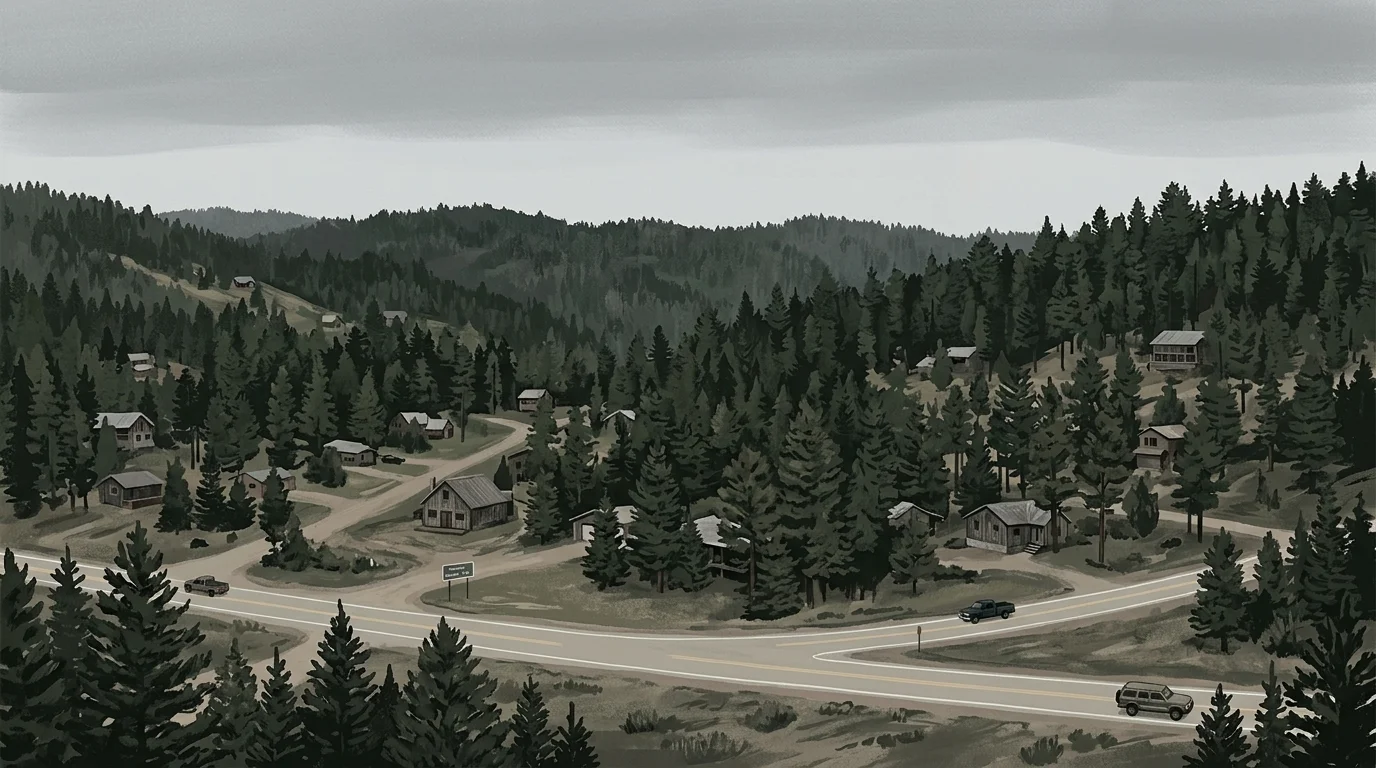
On Montana's Fort Peck Reservation, where youth suicide rates run roughly three times the national average and behavioral health providers are scarce, researchers are betting that a smartphone app can reach teenagers that an overwhelmed health system cannot.
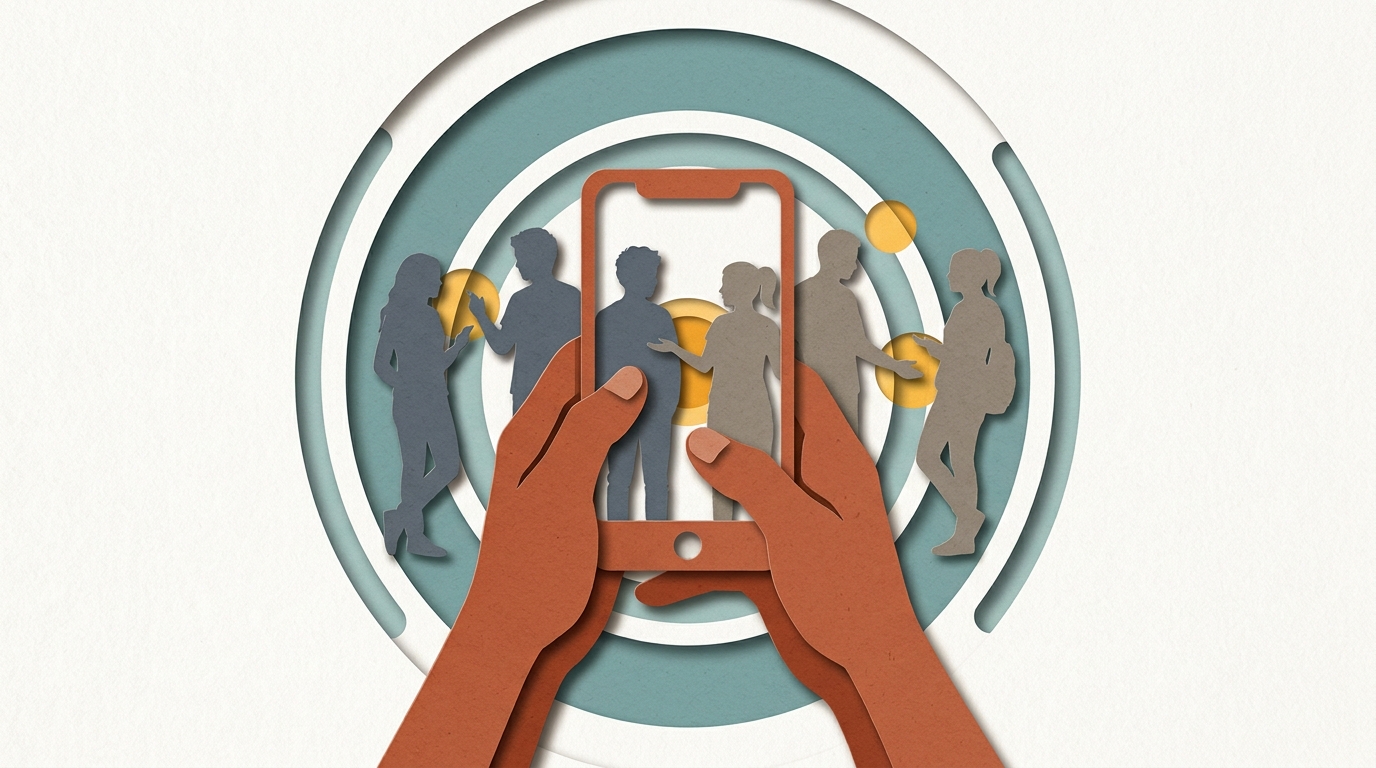
A $1.8 million grant from NIH's National Institute of Nursing Research is funding the adaptation and testing of myPlan Teen, a secure mobile and web-based tool designed to help adolescents recognize unhealthy relationship behaviors, build safety plans, and connect with youth-friendly resources. The study will enroll 550 Native American teenagers on Fort Peck, home to the Assiniboine and Sioux Tribes in the rural northeastern corner of the state.
The problem the app is trying to address is severe. Native American adolescents experience dating violence at an estimated two to three times the national rate, according to CDC research, and the link between dating violence victimization and suicide behavior is well established. Fort Peck and surrounding Roosevelt County have lived through devastating youth suicide clusters, including an especially dire period from 2017 to 2019 that prompted emergency responses from state officials. Poverty compounds everything: Roosevelt County's poverty rate exceeds 30 percent, roughly triple the national average.
The digital delivery model matters here for practical reasons. Indian Health Service facilities on Fort Peck have struggled to recruit and retain mental health professionals, with vacancy rates sometimes exceeding 25 percent. In small, tight-knit reservation communities, fear of stigma and questions about confidentiality keep many teenagers from seeking help even when services exist. An app that a teen can open privately on a phone sidesteps several of those barriers at once.
myPlan Teen was developed at Johns Hopkins University School of Nursing and previously tested in a CDC-funded randomized controlled trial involving 609 teenagers aged 15 to 17 nationally. That study found statistically significant reductions in physical and sexual violence perpetration and suicide behaviors among teens who used the app compared to a control group. This project represents the next step: tailoring the tool specifically for Native American youth.
The adaptation work will be done in partnership with tribal health leaders and a Youth Advisory Board made up of Fort Peck community members. Researchers plan to weave in content around tribal identity and communal mastery, reflecting a broader shift in Indigenous research ethics away from outside institutions collecting data and leaving, toward approaches that center community input and benefit. The Fort Peck Tribes maintain their own research review processes, and the study is designed to work within those structures.
One open question is connectivity. Cell phone and internet access on the reservation, while improving, remains inconsistent across its more than two million acres, a practical challenge for any app-based intervention. How well the tool performs under those conditions will be one thing researchers are watching as the study unfolds.
The trial with 550 participants is expected to follow the adaptation phase, with findings intended to inform how digital violence prevention tools could be scaled to other Native communities nationwide.