Federal flood-control grants committed to New Mexico in the last 90 days total $191.5 million, a 1,463% increase over the same window a year ago, and nearly every dollar traces back to a single decision: the USDA's Natural Resources Conservation Service obligated $190.99 million on March 9, 2026, to permanently buy out roughly 400 Ruidoso-area homes sitting in a floodplain that a pair of wildfires made newly and chronically dangerous.
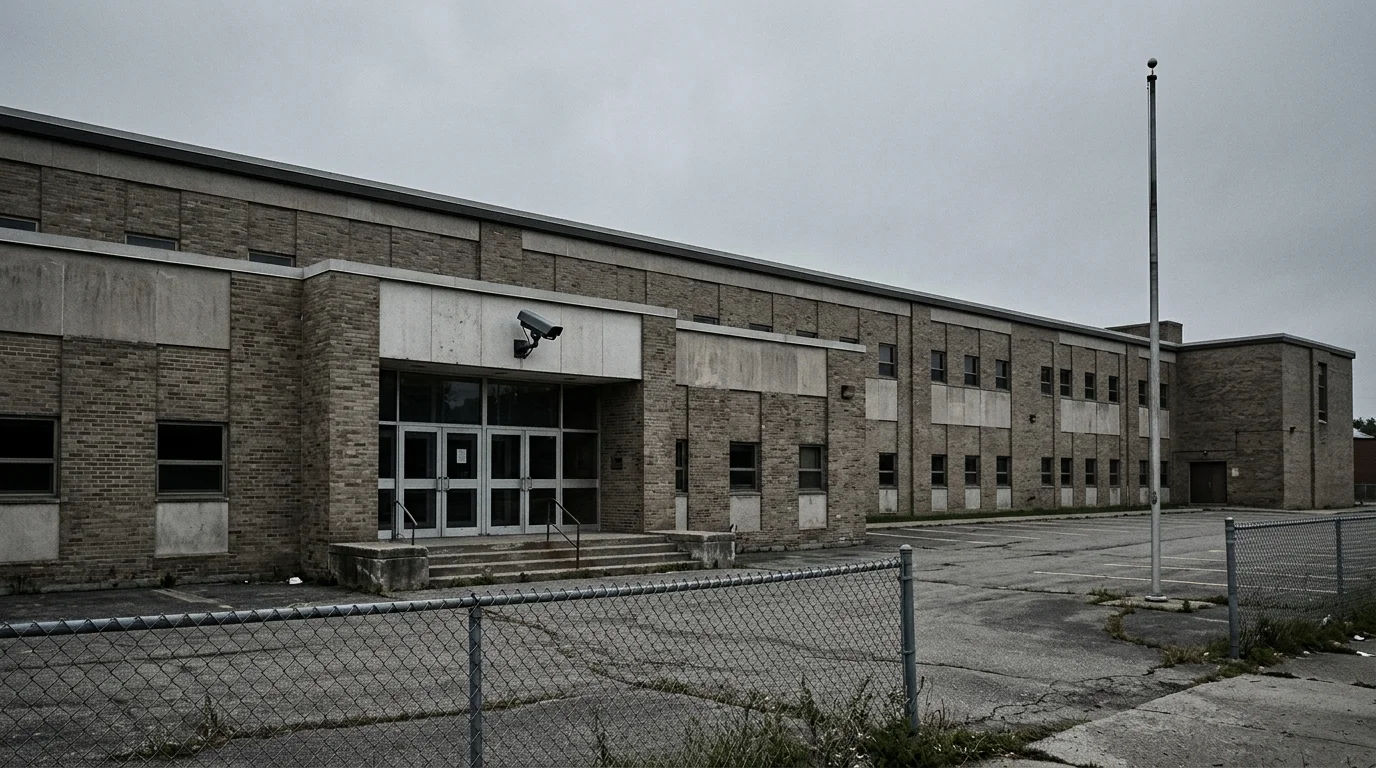
The program, which Lincoln County has named the Rio Safe Program, is a voluntary buyout. Homeowners in the highest-risk zones along the Rio Ruidoso would receive fair-market value for their properties; the homes would be demolished and the land converted to public parkland and watershed restoration. The mechanism is the USDA's Emergency Watershed Protection (EWP) program, and the Lincoln County commitment is, by a wide margin, the largest single EWP award in New Mexico's history.
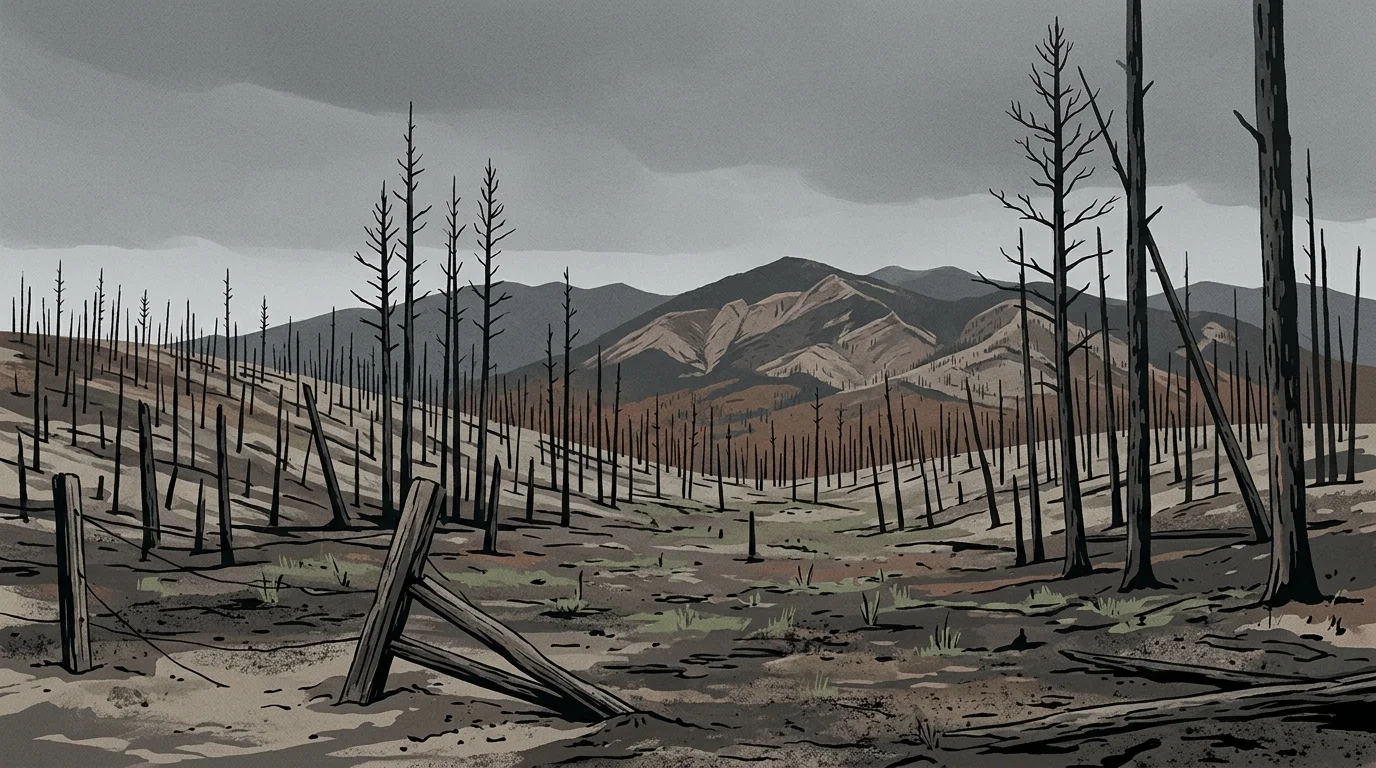
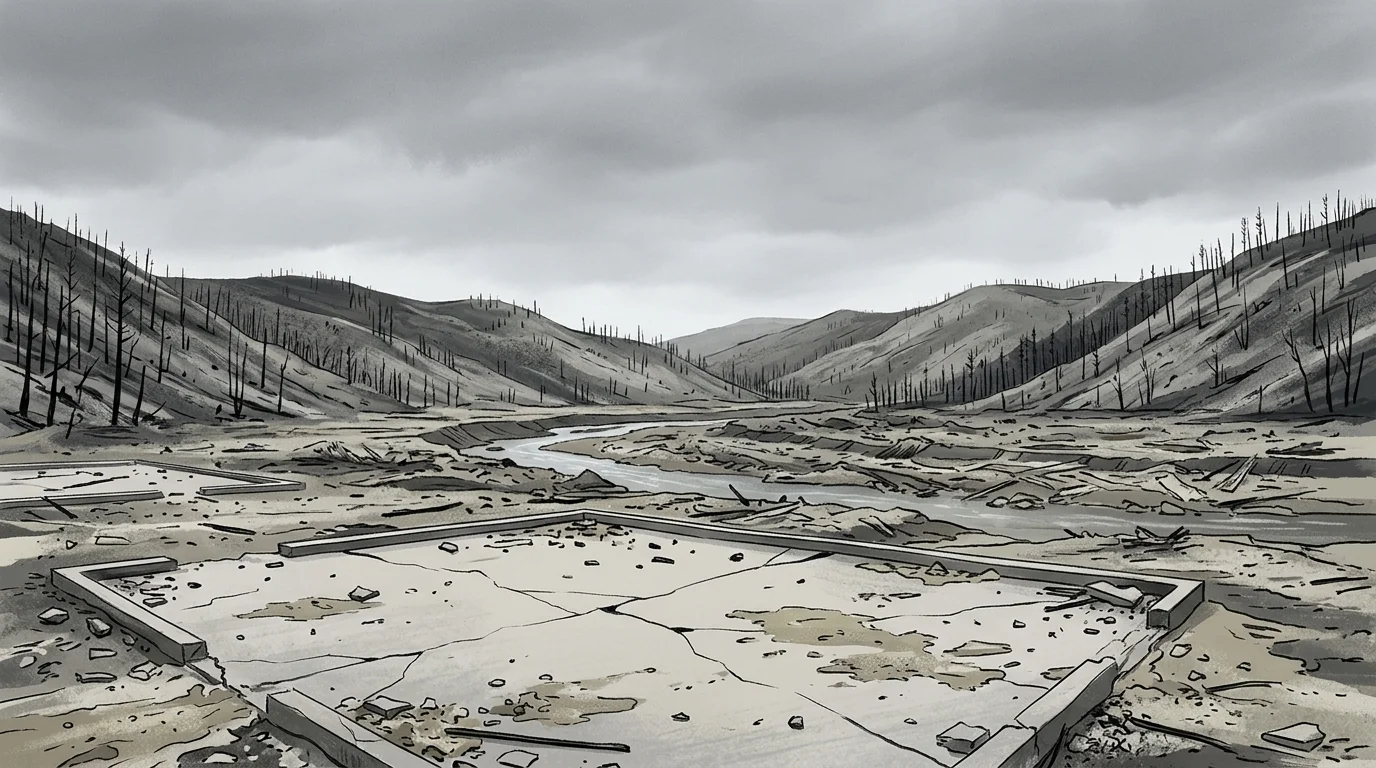
The cause is direct. The South Fork and Salt fires burned across Lincoln County in June 2024, denuding the steep Sacramento Mountain hillsides above Ruidoso and stripping away the vegetation that normally absorbs monsoon rainfall. Burned slopes shed water instead of soaking it in, and that physics does not reverse quickly. As Rep. Harlan Vincent (R-Ruidoso Downs) told Source NM, the Rio Ruidoso will be "prone to unpredictable and dramatic floods for the next decade or longer." The July 8, 2025 floods confirmed it: three people died, and President Trump approved a major disaster declaration for Lincoln County on July 22, 2025 (DR-4886). DHS Secretary Kristi Noem visited the area shortly after and announced $11.4 million in early disaster relief.
Source: NationGraph.
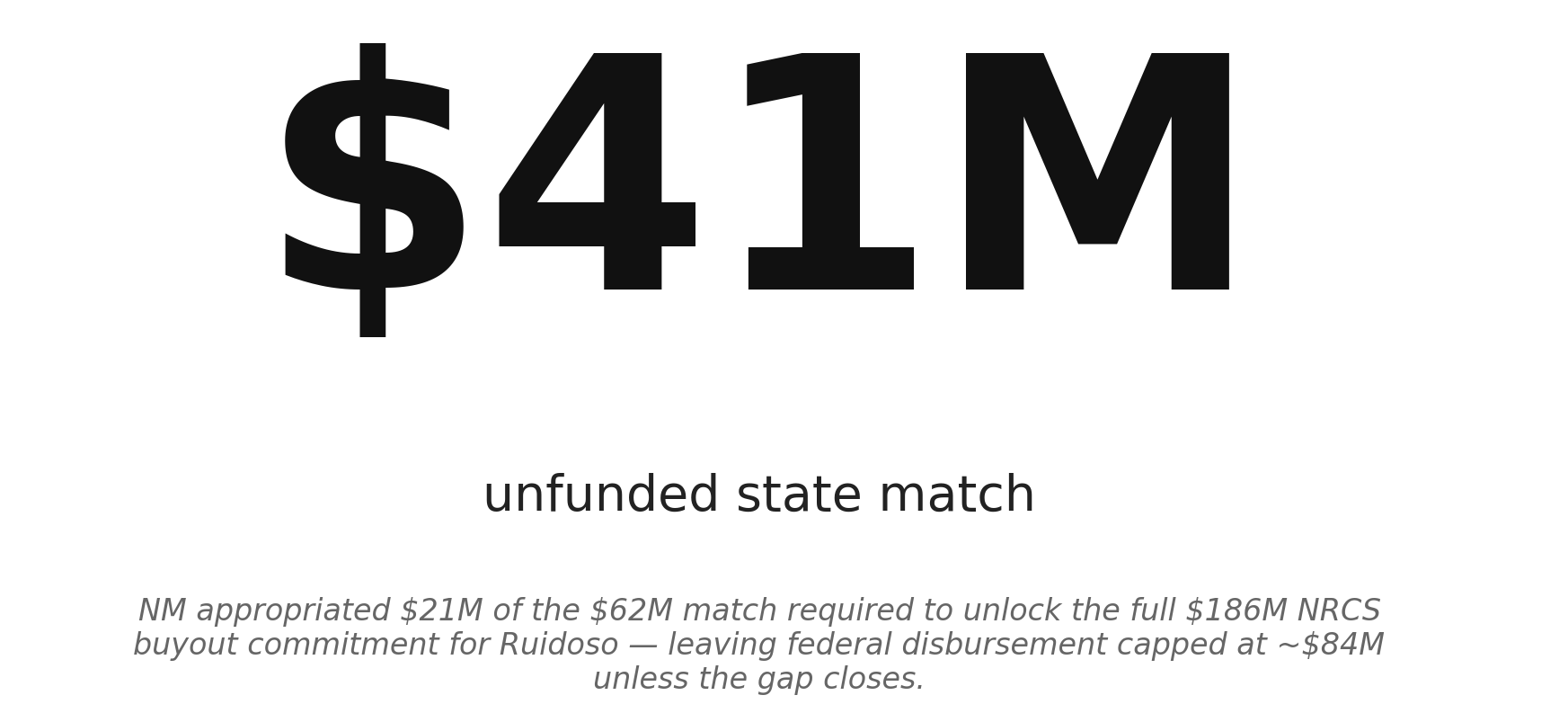
The NRCS's funding structure makes the current standoff particularly stark. The EWP program pays three federal dollars for every one state dollar. To unlock the full $186 million federal commitment, New Mexico must provide $62 million in matching funds. The 2026 Legislature appropriated $21 million. That leaves a $41 million gap, and under the matching formula, an unfilled gap does not simply reduce the program proportionally. If the state holds at $21 million, the federal disbursement could be capped at roughly $84 million, enough to move perhaps half the targeted households instead of all of them.
Rep. Vincent has publicly called on Gov. Michelle Lujan Grisham to fill the gap using discretionary executive funds. The governor's office has declined. The cooperative agreement runs through September 5, 2026, which means the window to resolve the standoff overlaps almost exactly with the 2026 monsoon season, the same season the Village of Ruidoso is preparing residents for right now through a series of Flood Preparedness Workshops running May through June, focused specifically on burn-scar runoff.
The Lincoln County award is not the only federal flood money moving through New Mexico. Grant County received a $5.4 million EWP grant in February 2026, and Chaves County received $12.2 million through the same program in April 2025. The active portfolio also includes a $65 million Interior Department drought-relief grant to the State Engineer and a $13.7 million USDA forestry grant tied to fire-affected watershed restoration. But Lincoln County's award is in a different category entirely, and the procurement activity on the ground reflects it: the county and the Village of Ruidoso are already running competitive solicitations for flood-damage repair, culvert installation, emergency engineering services, and infrastructure rebuilding.
The broader policy question extends beyond New Mexico. The fire-to-flood sequence unfolding in the Sacramento Mountains, burned hillsides converting monsoon rains into debris-laden flash floods for years after the fire is out, is emerging across the arid Southwest. Ruidoso is the first community where a federal buyout program has been deployed at this scale as a direct response to that dynamic. If the state funding gap is not closed and the program buys out 200 homes instead of 400, the remaining households face another decade of flood seasons in a floodplain that has structurally changed. If the gap is closed and the buyout succeeds, the Rio Safe Program becomes a template other fire-scarred Western communities can point to.
The immediate signal to watch is whether the governor's office moves before the monsoon season intensifies. The Legislature is not in regular session. An executive action or emergency transfer would require Lujan Grisham to move without a legislative mandate she does not currently have. The cooperative agreement's September deadline gives her roughly three months.