For thousands of years, tribes across the Pacific Northwest fished the Willamette River for salmon, lamprey, and sturgeon. Today, Oregon health advisories warn against eating fish caught in Portland Harbor, where industrial contamination has made traditional subsistence fishing a health risk. A new $450,000 federal grant aims to give the five tribes most directly affected a real voice in what happens next.
The EPA awarded the cooperative agreement to support the Five-Tribes Coalition, made up of the Confederated Tribes of Grand Ronde, the Confederated Tribes of Siletz Indians, the Nez Perce Tribe, the Confederated Tribes of the Umatilla Indian Reservation, and the Confederated Tribes of Warm Springs. The funding pays for tribal staff and technical experts to review engineering documents, attend cleanup meetings, conduct site visits, and brief tribal leadership as the harbor remediation moves forward.
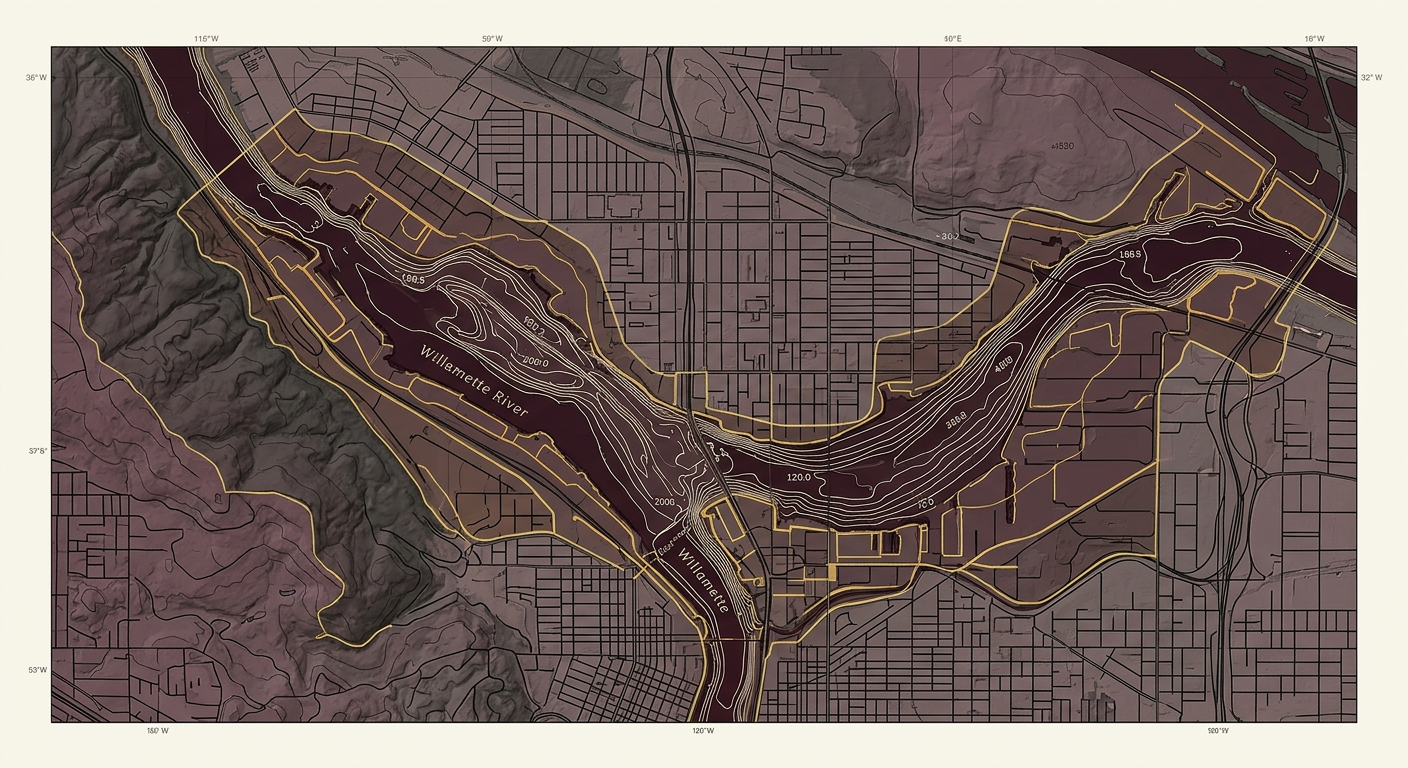
Portland Harbor's 10-mile stretch of the lower Willamette was designated a federal Superfund site in December 2000, after more than a century of shipbuilding, chemical manufacturing, and petroleum storage left the riverbed contaminated with PCBs, dioxins, heavy metals, DDT, and other toxic substances. The EPA didn't finalize a cleanup plan until January 2017, selecting a remedy estimated at over $1 billion involving dredging and sediment capping across roughly 2,200 acres. Remedial design is still ongoing, and full construction may not begin for years. The entire cleanup could stretch into the 2040s.
Without dedicated funding, tribes have limited capacity to engage meaningfully in a process driven by complex engineering documents and legal disputes among dozens of industrial companies identified as responsible for the contamination. The grant changes that, ensuring tribal technical staff can scrutinize the same materials the EPA and potentially responsible parties are working from.
The treaty fishing rights at stake are not symbolic. The five coalition tribes hold legally protected rights to harvest fish from these waters, rights that predate Oregon statehood. Contamination has eroded those rights in practice, and tribal leaders have said for years that the pace of cleanup has not matched the urgency their communities feel.
The remedial design process is ongoing with no announced construction start date, meaning tribal oversight funded by this agreement will be needed for years to come.