California City, a Kern County desert community where summer temperatures regularly top 110 degrees Fahrenheit, is replacing miles of aging water lines and upgrading fire hydrants with $1 million in federal funds — an investment the city could never have made on its own.
The project will install 6,558 feet of new 8-inch waterlines, 10 fire hydrants, 10 valve gates, and replace a booster pump at the Rancho station. The upgrades are expected to cut maintenance costs, reduce leaks and blowouts, and improve water pressure for residents.
The money comes from a congressional earmark in the FY2024 Consolidated Appropriations Act and is administered through the Environmental Protection Agency. Because the city cannot afford a matching contribution, the EPA approved a full cost-share waiver, meaning federal taxpayers are covering the entire bill.
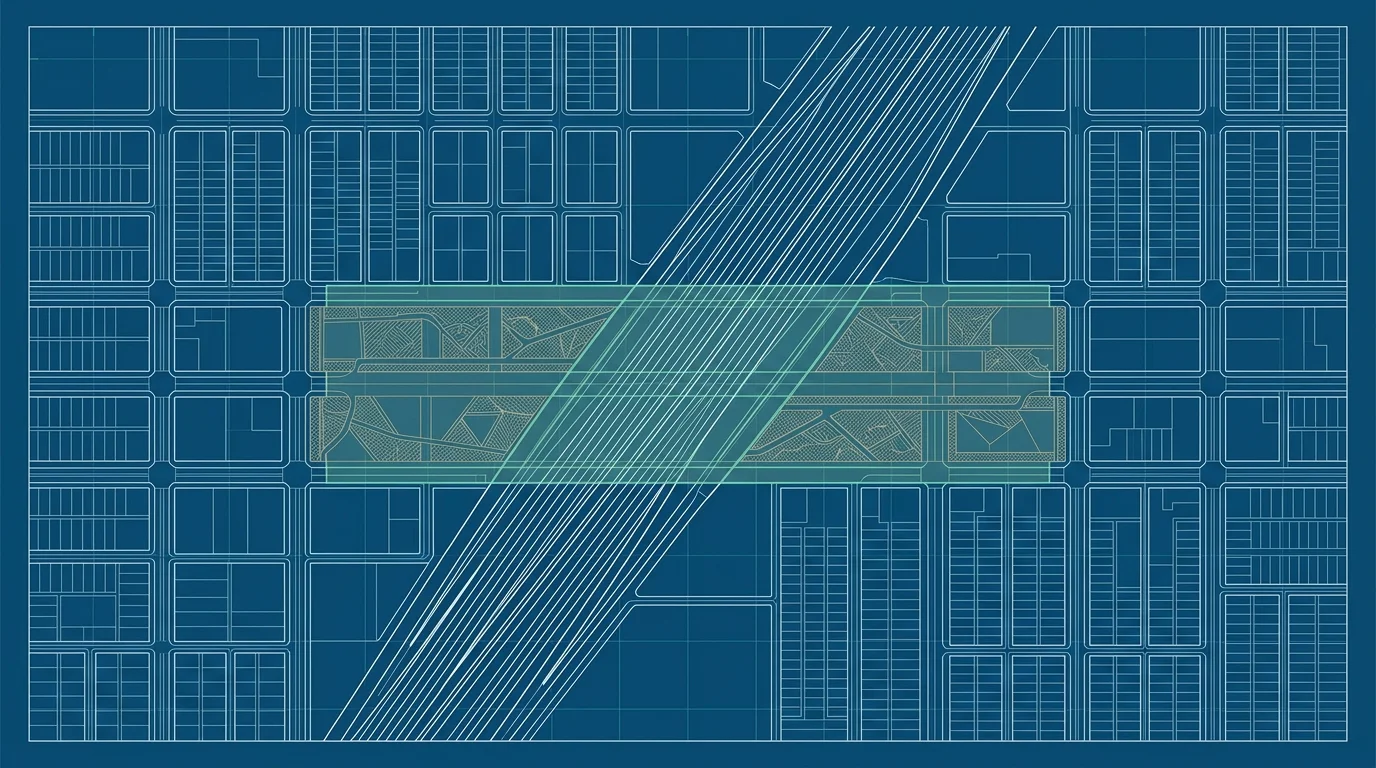
That financial fragility has deep roots. California City was designed in the 1950s by developer Nat Mendelsohn as a planned metropolis meant to rival Los Angeles. He purchased 80,000 acres of Mojave Desert and laid out an ambitious grid of streets. The population never came. Today, California City is geographically the third-largest city in California by area, sprawling across more than 200 square miles, but it has only about 14,000 residents. The result is an enormous infrastructure footprint sustained by a tax base built for a fraction of the intended population.
The median household income in California City is around $40,000, roughly half the California statewide median. The community includes significant Black and Hispanic populations and is considered an environmental justice community by state and federal standards. Aging pipes, mineral-heavy desert water, and extreme heat accelerate infrastructure decay at a rate that a cash-strapped city government cannot keep pace with.
Earmarks like this one were effectively banned in Congress from 2011 to 2020 before being revived under new transparency rules in 2021. Supporters argue they allow members of Congress to direct money toward specific local needs that might not qualify for competitive federal grants. Critics raise accountability concerns, but for a city like California City, the mechanism has delivered a repair project that the community could not otherwise fund.
Design and construction work is now underway. Residents can expect fewer service disruptions and better water pressure once the project is complete.