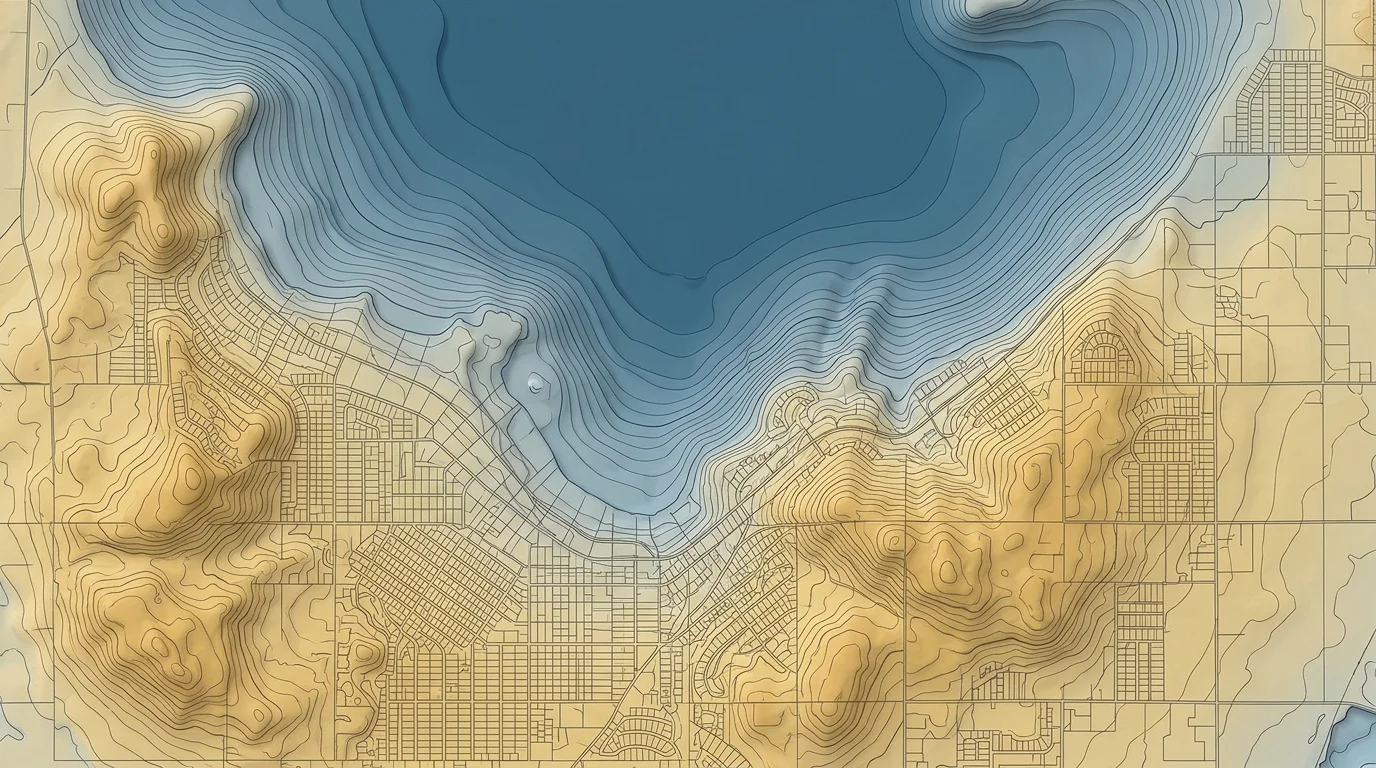
Marble Falls, Texas is moving to replace a wastewater treatment plant that sits in a flood zone, using a \$5 million EPA grant to build new infrastructure on higher ground along the Colorado River corridor about 50 miles northwest of Austin.
The existing plant's location in the floodplain is a relic of older siting decisions, and in Central Texas, that's a serious liability. The Hill Country sits at the edge of what meteorologists call Flash Flood Alley, where storms funneling up the Balcones Escarpment can produce catastrophic wall-of-water floods with little warning. The 2018 Highland Lakes flooding killed several people in the region and wiped out infrastructure across Burnet County. The 2015 Memorial Day floods caused widespread destruction throughout the area. For a wastewater plant, a major flood doesn't just mean damage — it can mean raw sewage entering waterways.
The new plant will be built to handle 1.5 million gallons per day and will include new sewer force mains and reclaimed water lines. That last piece matters beyond flood safety: the plant is designed to eventually support water reuse, both non-potable and, down the road, potable. In a region that has lived through punishing droughts — the 2011 drought remains a benchmark for how bad things can get in Texas — treating wastewater as a resource rather than just a problem is increasingly essential. Texas's own state water plan has flagged reuse as one of the fastest-growing supply strategies in the state.
The timing reflects real pressure. Marble Falls, a city of roughly 8,000 to 9,000 residents, has been absorbing growth as the Austin metro area expands outward into the Hill Country. More residents means more wastewater, and the existing system is aging. The federal grant, directed through the 2024 Consolidated Appropriations Act as a congressionally mandated project, was likely championed by Rep. John Carter, the Republican who represents Texas's 31st Congressional District.
Five million dollars won't cover a project of this scale on its own. Relocating a wastewater treatment plant and building new transmission infrastructure typically costs well above that — potentially \$20 million to \$40 million or more. The federal funding is almost certainly one piece of a larger capital financing plan the city has been developing. Similar federal awards have helped small cities across the country tackle overdue wastewater fixes, including communities in Floyd County, Kentucky and Holyoke, Massachusetts.
Once the new plant is built and operating, the old site in the floodplain will be restored for other uses. How the city finances the rest of the project and when construction begins remain open questions.