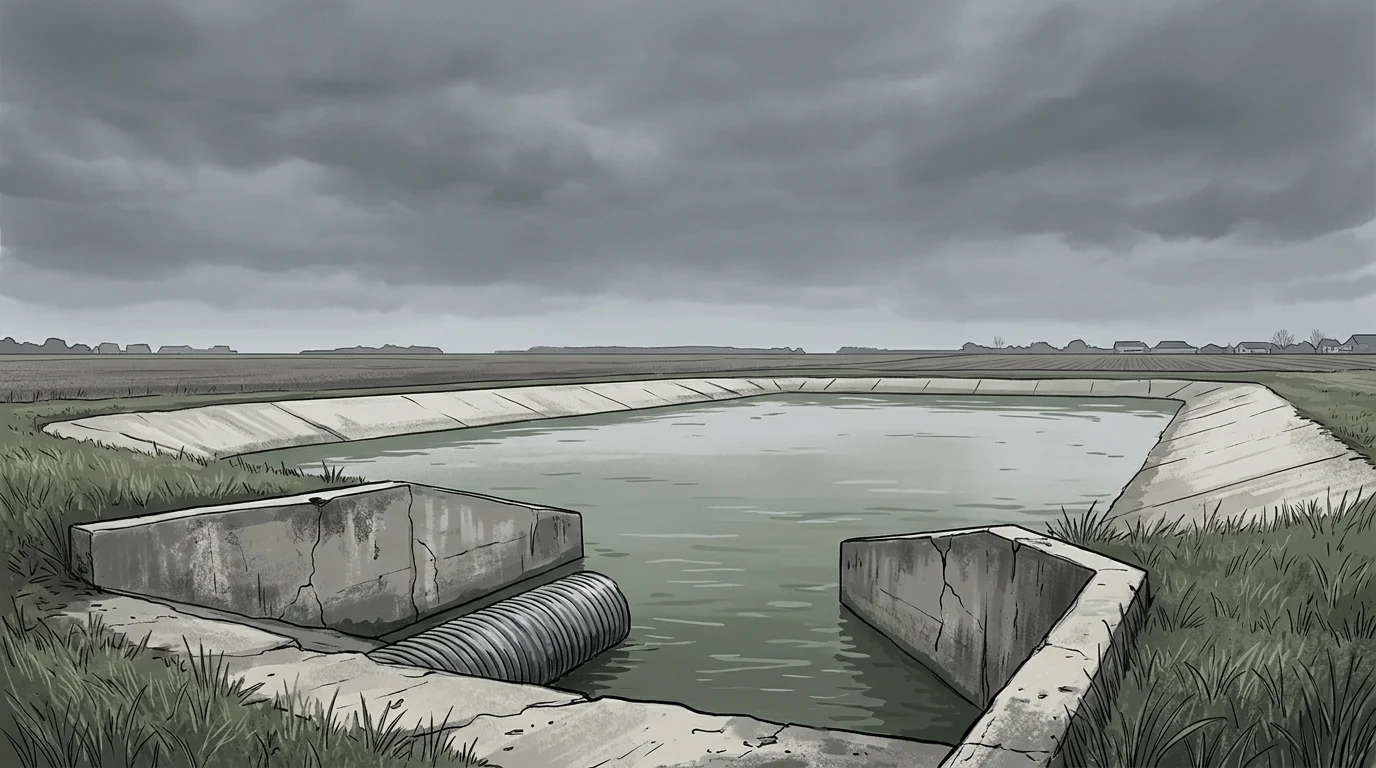
Eight small communities tucked into the hollows of Floyd County, Kentucky are getting a $3 million federal investment to upgrade the aging water treatment plant and intake infrastructure they depend on for safe drinking water.
The grant goes to the Southern Water and Sewer District, which serves Allen, Eastern, Garrett, Langley, McDowell, Minnie, Wayland, and Weeksbury — unincorporated settlements scattered across one of eastern Kentucky's most economically distressed counties. For residents here, where poverty rates exceed 30% and median household incomes hover around $30,000, the condition of the local water system isn't an abstraction. Brown water, boil-water advisories, and service outages have plagued eastern Kentucky utilities for years, the product of infrastructure built during the coal boom and never adequately updated since.
The award, flowing through the EPA from the FY2024 Consolidated Appropriations Act, is a congressionally directed spending project — the modern, post-2021 version of earmarks, which require public disclosure of the requesting member. Rep. Hal Rogers, who has represented Kentucky's 5th District since 1981 and sits on the House Appropriations Committee, has made water infrastructure a signature priority for the Appalachian communities in his district.
The need is decades in the making. Floyd County's population has fallen from roughly 49,000 in 1980 to about 35,000 today, a decline driven largely by the collapse of coal employment. As the industry shrank, the tax base eroded and utilities like Southern Water were left maintaining long distribution lines across rugged terrain with fewer and fewer ratepayers to cover the costs. Major capital upgrades became essentially impossible without outside funding.
The July 2022 floods, which killed dozens across eastern Kentucky and caused hundreds of millions in damage, compounded the problem by stressing water systems that were already fragile. Floyd County was among the hardest hit. Similar funding challenges have driven communities across the country to seek federal help: Vernon, New York recently secured its first public water system after years of contaminated wells, reflecting how widespread the rural water crisis has become.
The EPA estimates a national drinking water infrastructure gap of $625 billion. For small, low-income utilities like Southern Water, competitive federal grant programs are often out of reach — they lack the administrative staff to write complex applications. Congressionally directed spending fills that gap directly.
Construction on the treatment plant improvements and intake structure upgrades has not yet begun. No completion timeline was specified in the award.