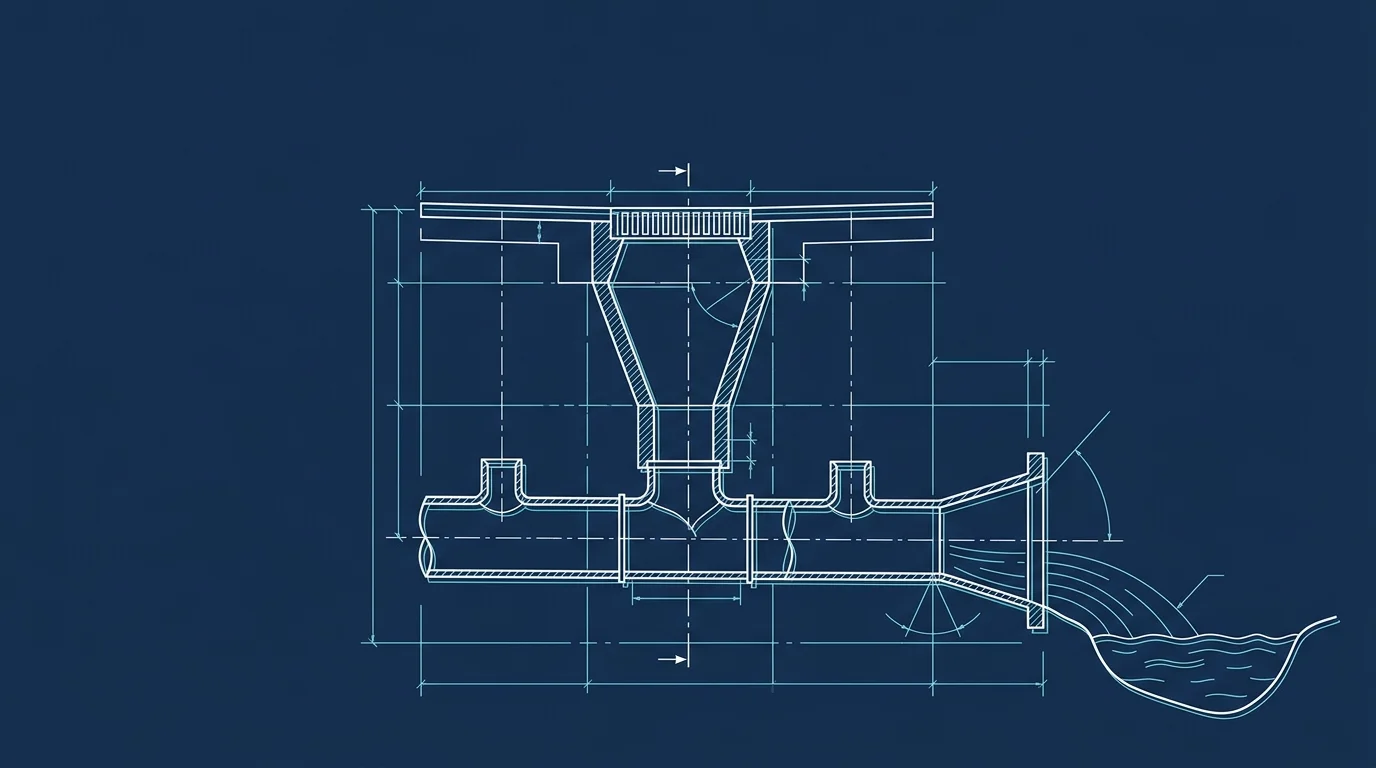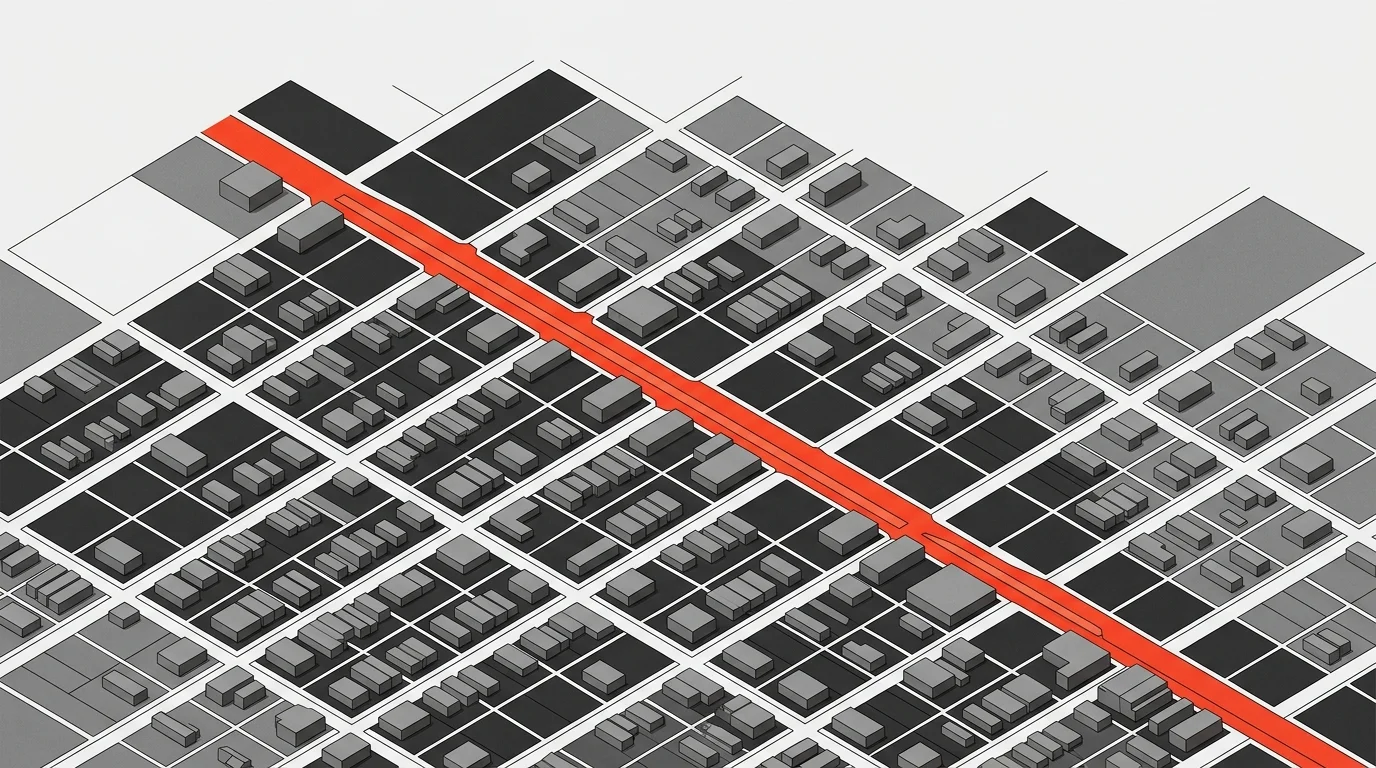
San Antonio, Texas is pushing its long-planned Green Line bus rapid transit corridor into a new phase, with VIA Metropolitan Transit Authority now hiring engineering firms to handle the legal land work that must happen before construction can begin.
The work involves re-platting, the process of adjusting property boundaries, easements, and parcel configurations along the transit route. It's unglamorous but essential: dedicated bus lanes and stations often require slivers of land from adjacent properties, and those boundaries have to be legally redrawn before any ground breaks. The move signals that the Green Line is crossing from planning into active right-of-way preparation.
For a city the size of San Antonio, the stakes are significant. The seventh-largest city in the United States, with roughly 1.5 million residents, San Antonio has long had one of the weakest public transit systems of any major American city. Its sprawling, car-dependent layout has made mobility a persistent challenge, especially for the low-income and transit-dependent households that make up much of VIA's ridership base.
The Green Line is the second corridor in VIA's Advanced Rapid Transit program, a network of high-frequency bus rapid transit lines designed to bring rail-like service to key parts of the city. The first corridor, the Blue/Gold Line connecting the West Side and East Side through downtown, secured a $158 million federal Capital Investment Grant in 2023 and is already further along in development. The ART program itself was unlocked by a November 2020 Bexar County ballot measure, when voters approved a dedicated 1/8-cent sales tax for transit improvements by nearly 68%, a striking margin given that earlier rail proposals had failed at the ballot box.
The Green Line is expected to run along a north-south axis, connecting major destinations including employment centers, medical facilities, and educational institutions. Specific alignment details are still being finalized by VIA.
Federal funding uncertainty adds some pressure to the timeline. The Bipartisan Infrastructure Law opened significant new funding for bus rapid transit projects, but the current administration's approach to Federal Transit Administration grants has created anxiety for transit agencies nationally. Advancing the Green Line to a construction-ready state could help VIA compete for or protect future federal commitments.
As VIA works through the property phase, affected landowners and neighborhoods along the corridor will likely begin hearing more directly from the agency. What comes next is the harder work of acquiring right-of-way and finalizing engineering, steps that will determine how quickly the Green Line can move toward construction.