When it rains hard in Holyoke, Massachusetts, the city's aging sewer system does something that would surprise most people: it overflows directly into the Connecticut River, mixing raw sewage with stormwater in pipes that were never designed to handle them separately. A \$2 million federal grant from the EPA is now funding the next phase of work to fix that.
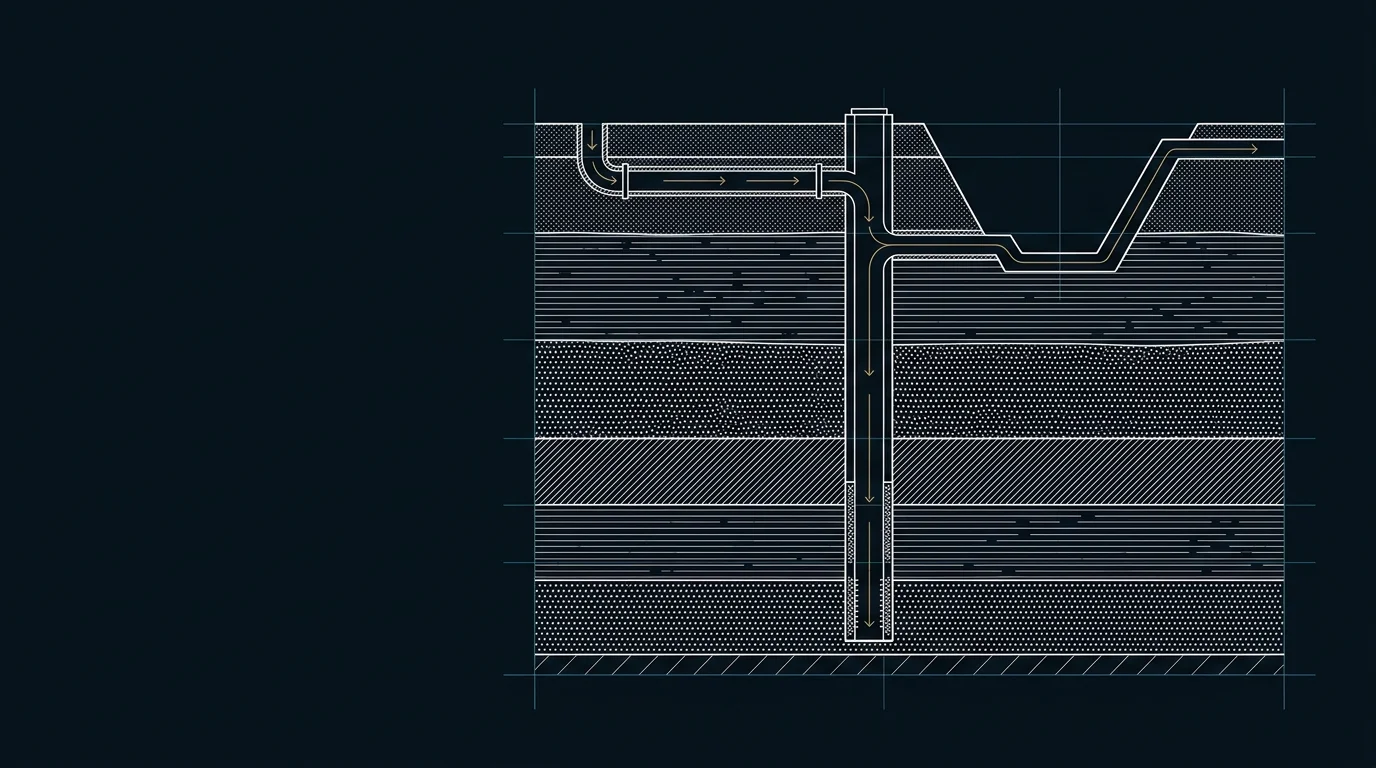
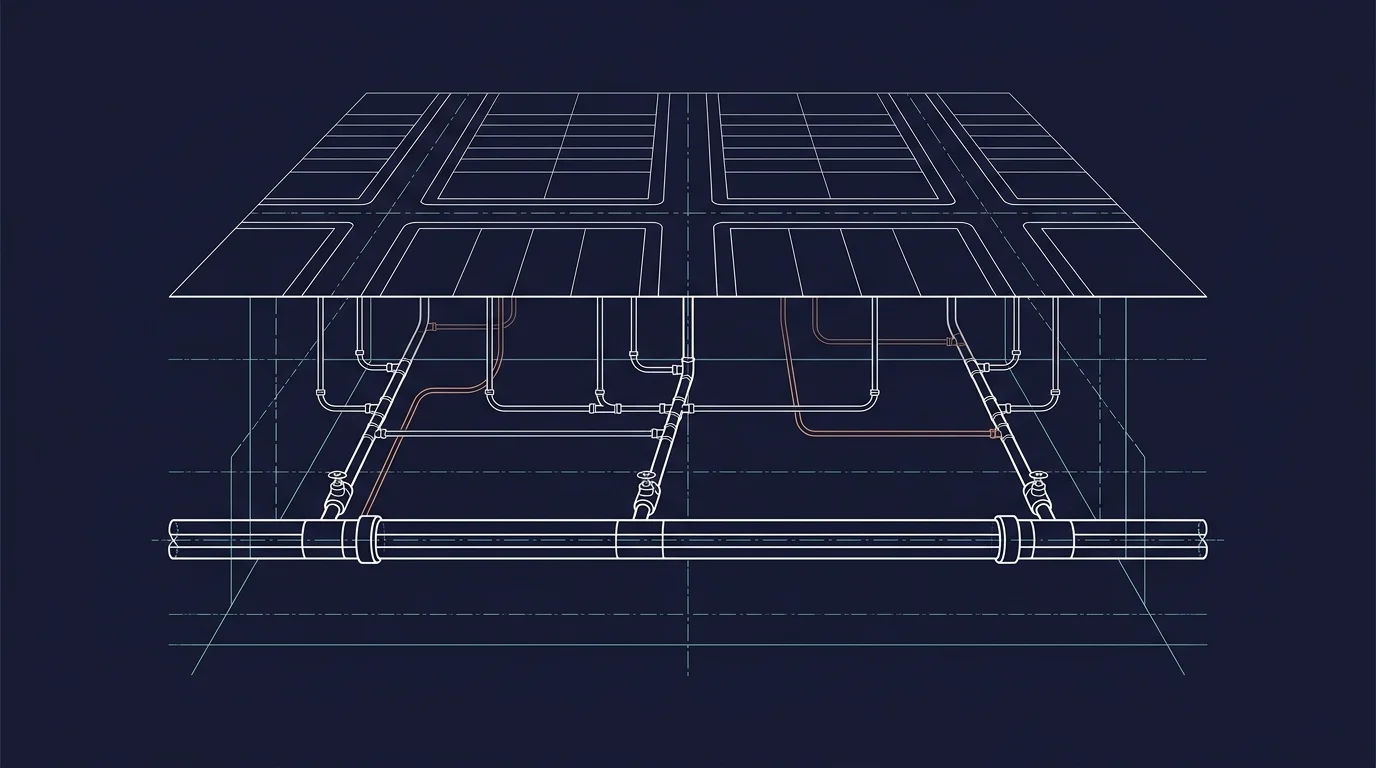
The money targets the River Terrace neighborhood, where the city will physically separate storm and sanitary sewers in one section and complete final engineering designs in another. The construction work alone involves roughly 4,200 feet of new sanitary sewer pipe, 8,000 feet of storm drain, and another 8,000 feet of pipe lining and repairs. A separate piece of the grant will fund a master plan for the city's broader wastewater system, helping Holyoke prioritize what to replace and when.
The problem traces back to Holyoke's origins. The city was purpose-built as an industrial powerhouse in the 1840s and 1850s, with a canal network drawing power from the Connecticut River. Its sewers, laid in the late 1800s, followed the engineering logic of the era: one set of pipes for everything. That decision is still showing up in the river more than a century later.
Fixing it is enormously expensive, and Holyoke is not a wealthy city. With a median household income around \$38,000 — less than half the Massachusetts statewide figure — and about 28% of residents living below the poverty line, the city can't finance sewer separation through rate increases the way a wealthier community might. Federal grants, rather than loans, are critical for a place like this. The funding came through a congressional earmark in the 2023 Consolidated Appropriations Act, secured while Massachusetts Democrats still held committee power in the House.
The Connecticut River has recovered significantly from its most polluted decades. But combined sewer overflows remain one of the last major sources of contamination, and cities like Holyoke account for much of the remaining problem across the Northeast, where roughly 860 communities still rely on these aging combined systems.
Two million dollars is a start, but the full cost of separating Holyoke's entire sewer system runs into the tens of millions. The master plan being funded alongside this construction work is meant to map out that longer road. Whether the federal funding follows remains an open question.