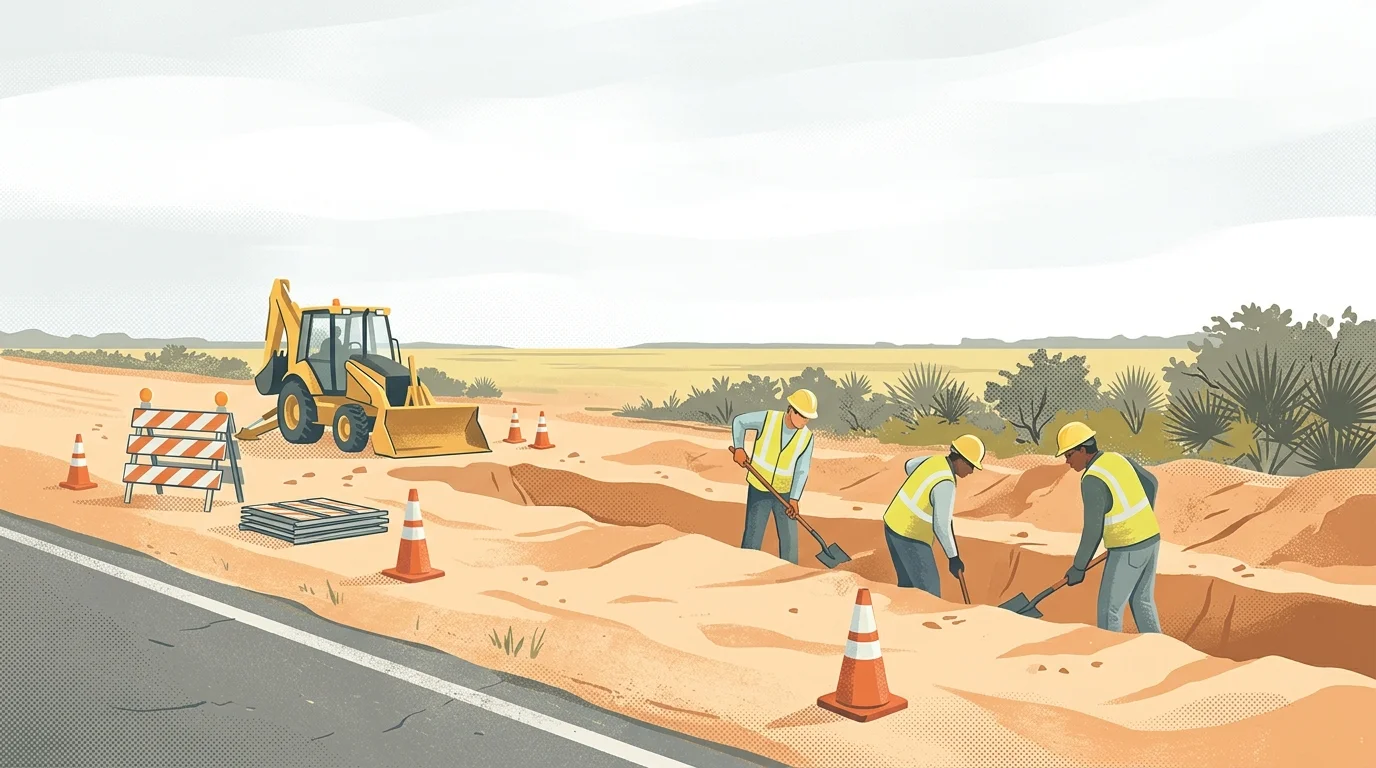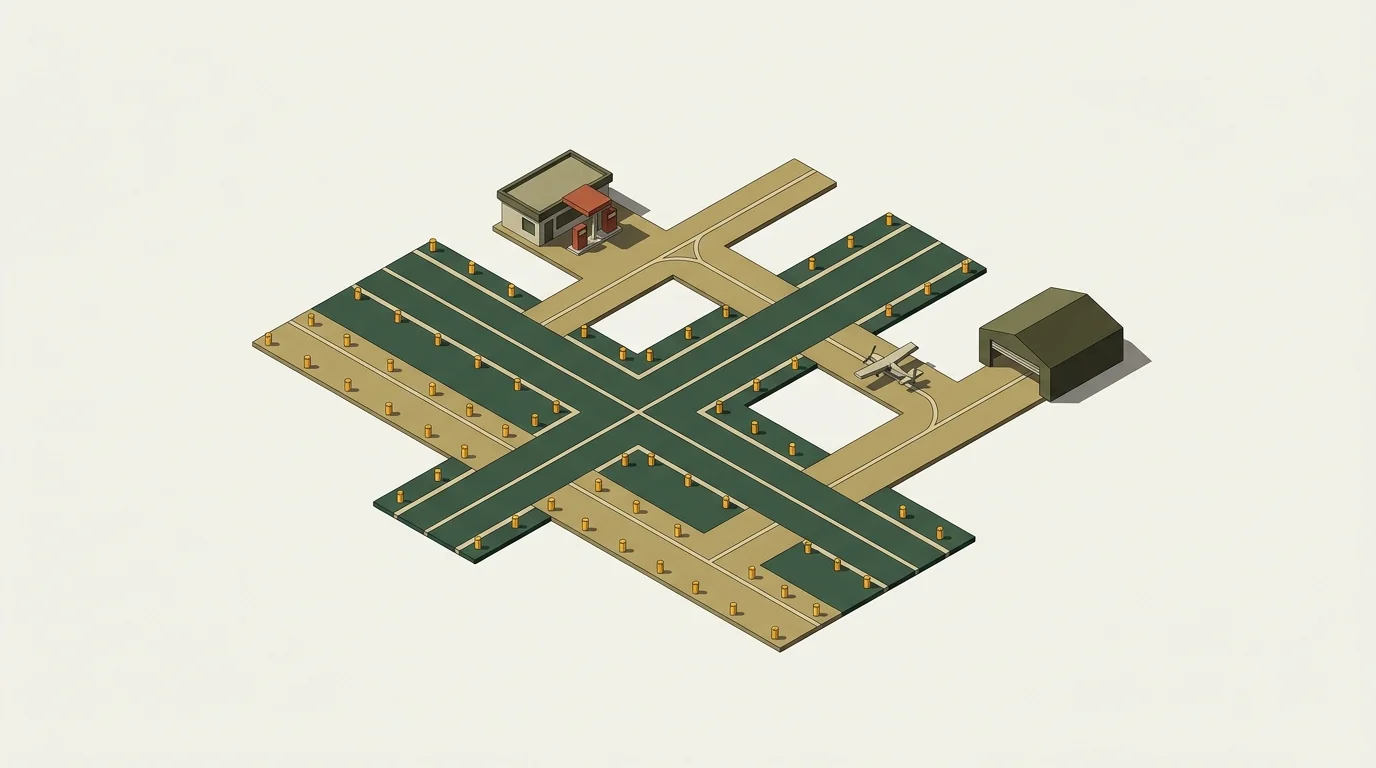
Warrenton-Fauquier Airport in Fauquier County, Virginia is getting a significant round of upgrades: a full rehabilitation of its main taxiway, new lighting throughout, and a self-service fuel station that could prove essential to the facility's long-term viability.
Fauquier County is soliciting construction bids for the project, which bundles three improvements into a single contract. The total cost has not been disclosed, but projects of this type at general aviation airports are typically funded almost entirely by the federal government. The FAA's Airport Improvement Program generally covers 90% of eligible costs at airports like this one, with Virginia's Department of Aviation picking up another 5% and the county covering the remaining 5% as a local match. That funding structure means the county can accomplish substantial infrastructure work for a fraction of what it would cost without federal participation.
The timing is deliberate. The 2021 Bipartisan Infrastructure Law injected an additional $15 billion into the Airport Improvement Program over five years, giving small airports an unusual window of funding availability. Across Virginia and the country, airports that had deferred maintenance for years have been accelerating projects to take advantage before that money is committed elsewhere.
Taxiway pavement degrades over time in ways that create real safety risks: cracking, poor drainage, and debris that can damage propellers and engines. The lighting upgrade replaces older, energy-intensive systems with LED fixtures, a transition the FAA has been pushing for over a decade. The fuel station addresses a different but equally serious problem. Many small airports have quietly lost fuel service as the economics for full-service fuel providers thinned out, leaving pilots to fly to other airports just to refuel. That erosion can set off a slow decline in traffic and revenue. A self-service, credit-card-operated fuel station keeps the airport functional and captures some of that revenue locally.
Warrenton-Fauquier Airport serves private pilots, flight training operations, business aviation, and emergency flights in a county of roughly 74,000 people about 45 miles southwest of Washington, D.C. It draws some of the D.C. area's small-aircraft business travelers looking to avoid the congestion at Dulles and Reagan National. As exurban development continues pushing outward from the capital, the airport's role in connecting the county to the broader region is likely to grow.
Bids are being accepted through Fauquier County's procurement portal. A construction timeline has not been publicly announced.