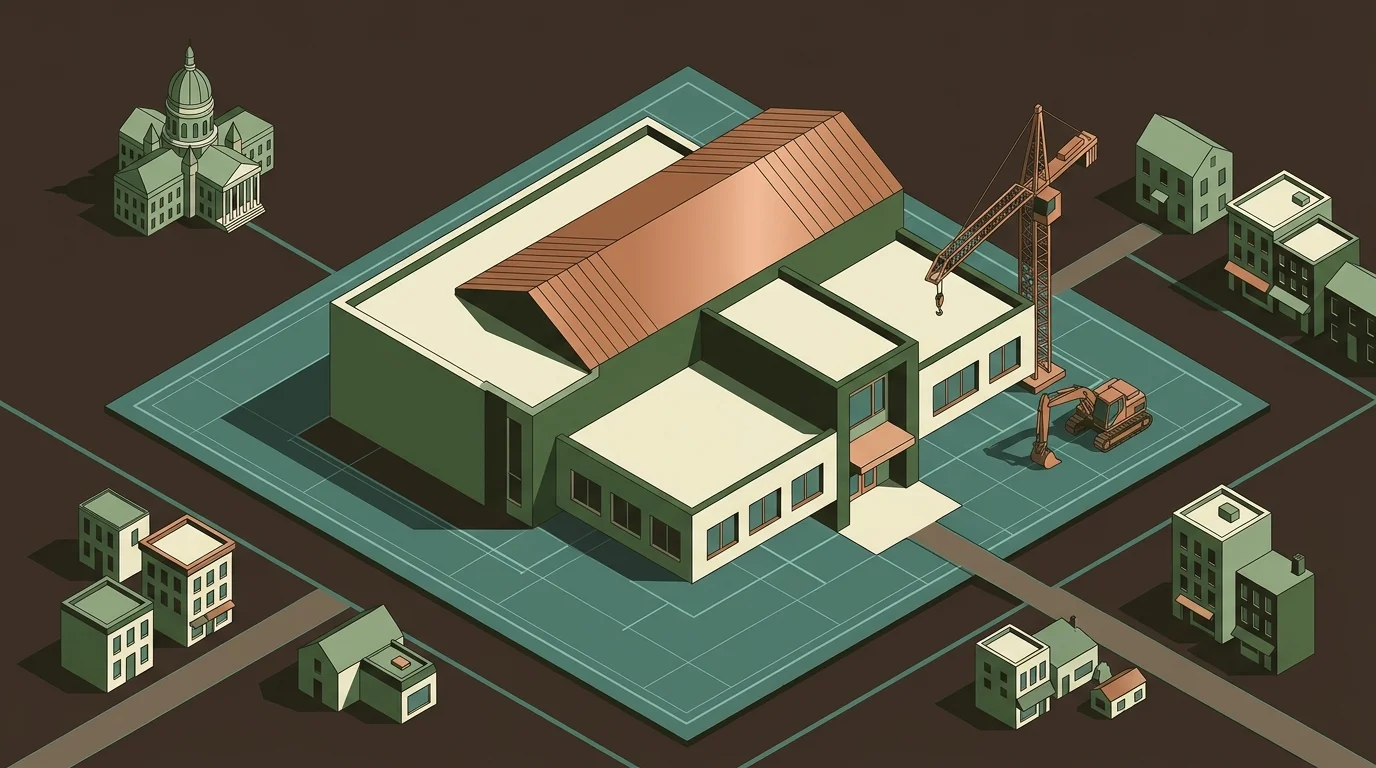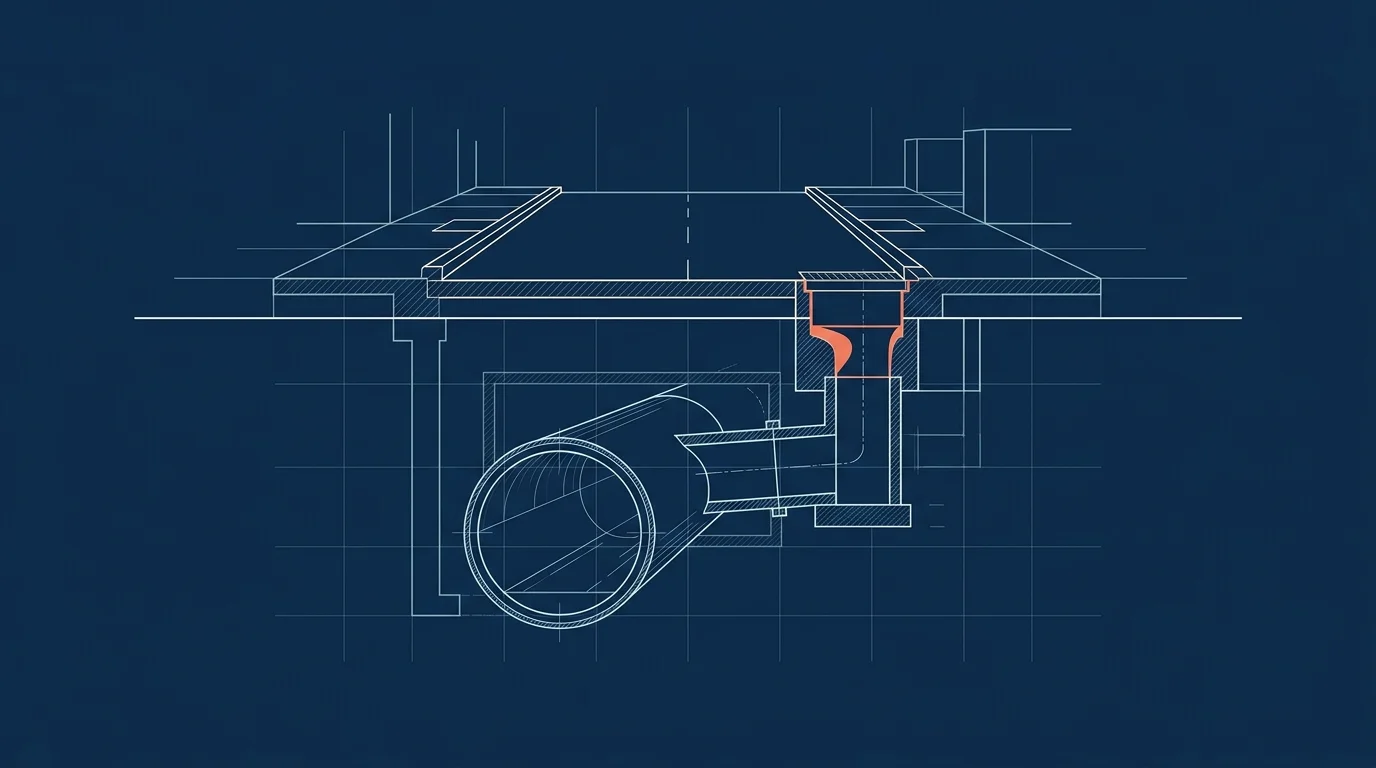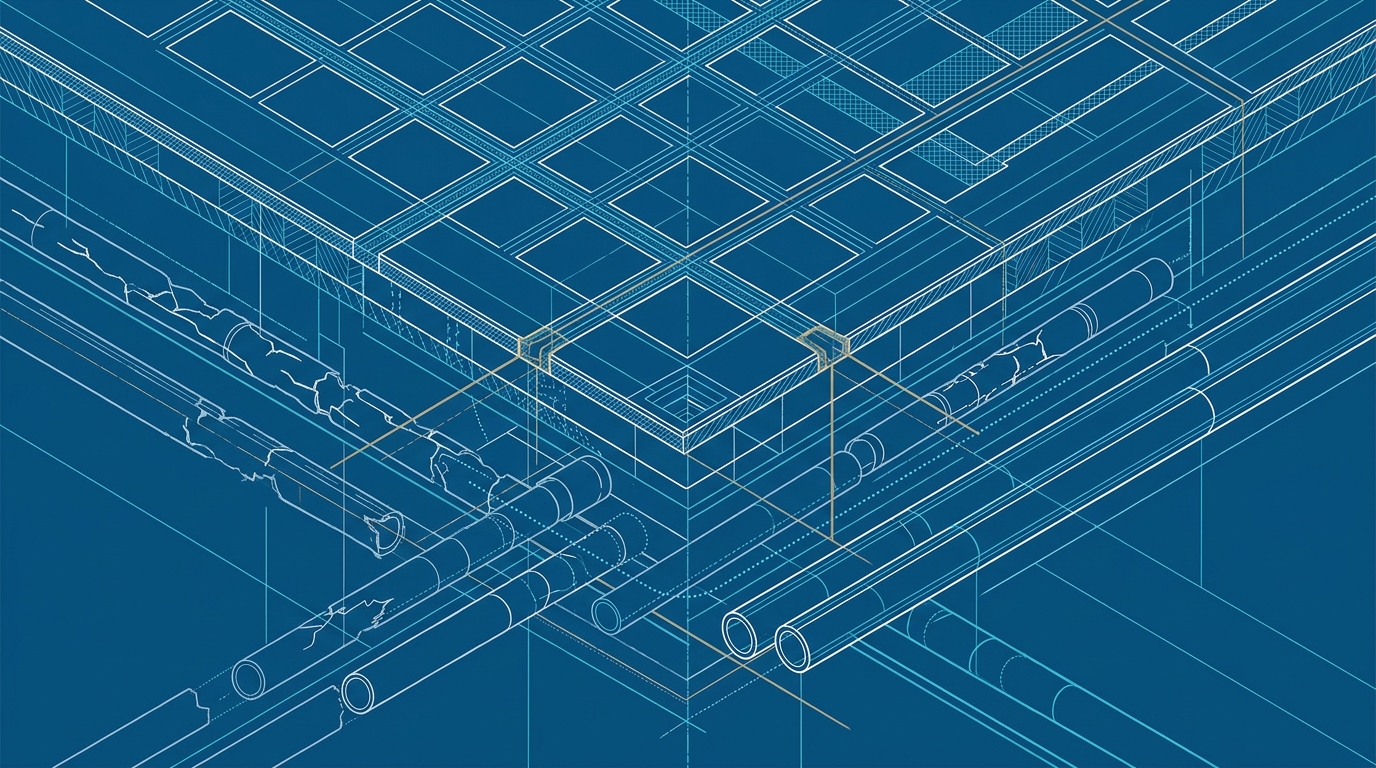
Minneapolis is moving to replace the sanitary sewer line running beneath Third Street North on the city's North Side, targeting infrastructure that in some cases dates back to the early twentieth century and was never built to handle the demands of a denser, stormwater-stressed city.
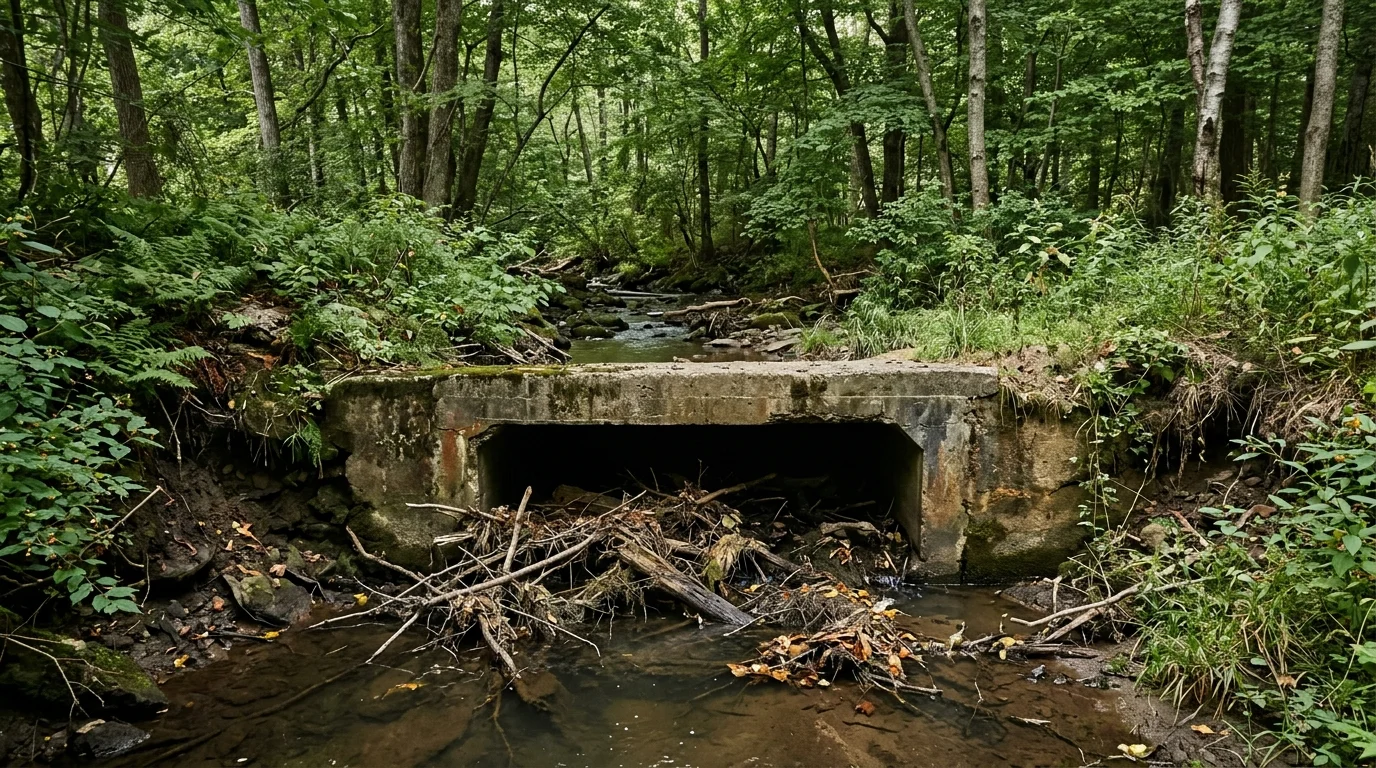
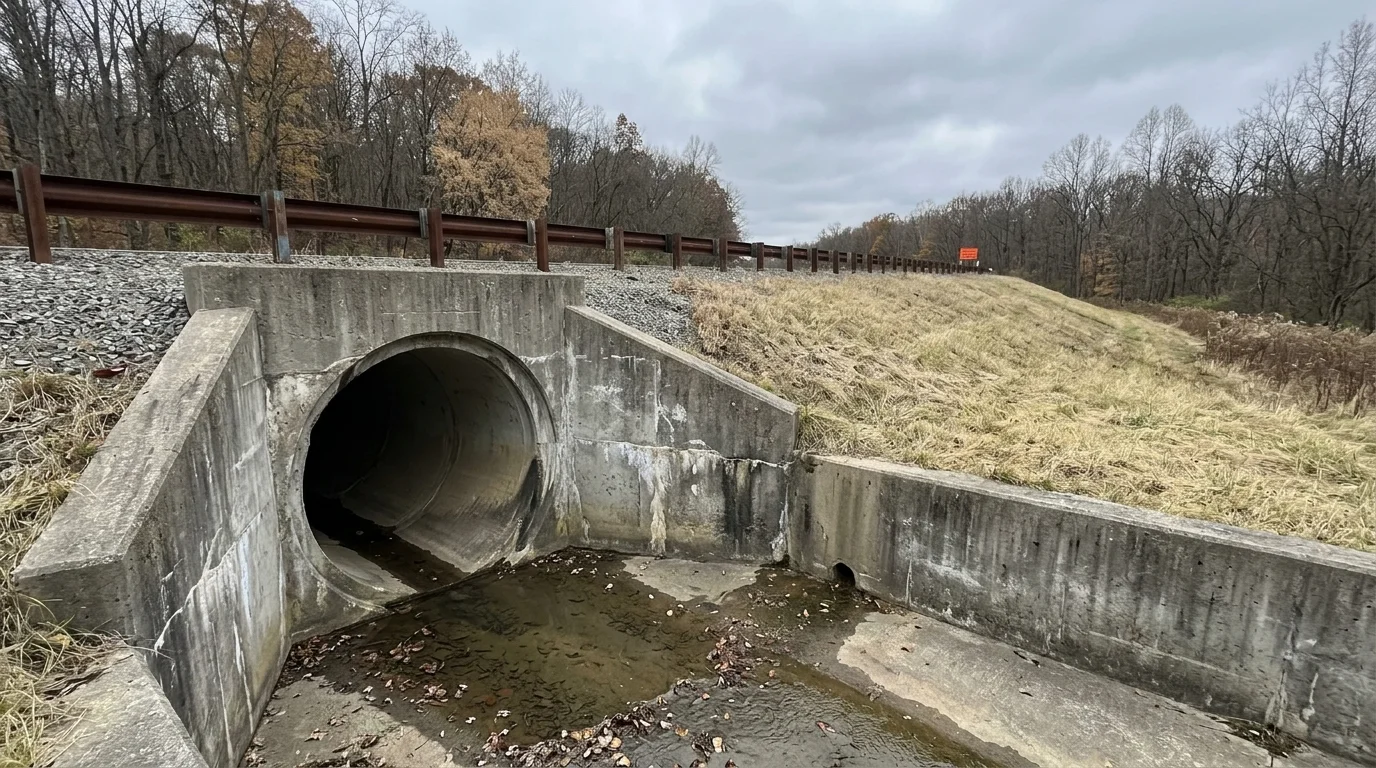
The project, bid out by Minneapolis Public Works in April 2026, reflects a convergence of pressures the city has been grappling with for years. Many of the clay and cast-iron pipes running under older Minneapolis streets were designed with lifespans of 75 to 100 years. A significant number have already exceeded that. As they age, groundwater and stormwater seep in through cracks and joints, a problem known as infiltration and inflow, which overwhelms the treatment system and raises the risk of sewage overflows reaching the Mississippi River. State and federal clean water regulations give Minneapolis little room to delay.
Climate is adding urgency. Annual rainfall in the Twin Cities has increased roughly 10 to 15 percent over the past century, with more of it arriving in intense bursts. Pipes sized for a drier, lower-density city are increasingly struggling to keep up.
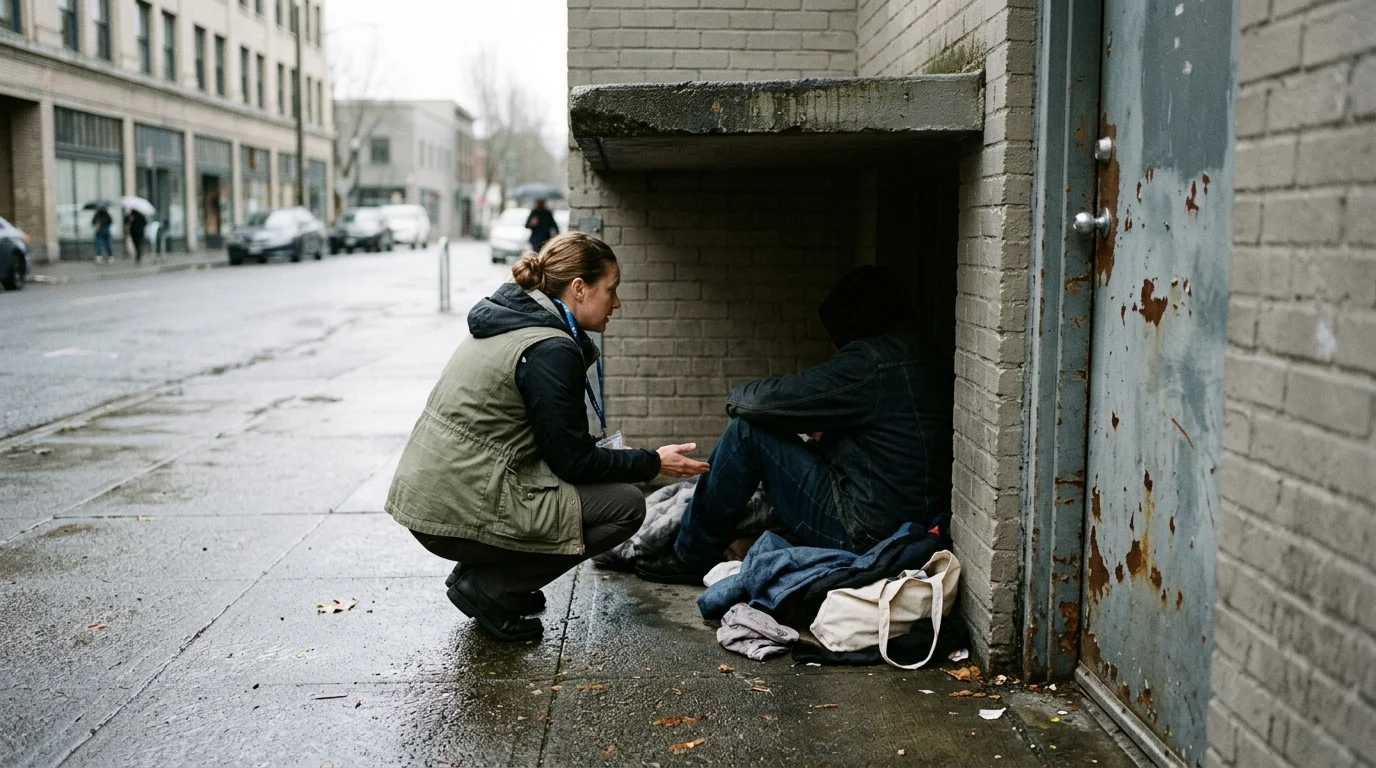
Third Street North sits in a neighborhood at the center of Minneapolis's ongoing debate over equitable infrastructure investment. The broader North Side is predominantly Black and lower-income, and has historically received less capital attention than wealthier parts of the city. Mayor Jacob Frey and the City Council have made explicit commitments to directing more infrastructure dollars toward underserved areas on the North Side. Just to the south, the North Loop has become one of the hottest real estate markets in Minneapolis, with new residential and commercial development putting additional strain on the same aging pipes.
The timing also connects to the Upper Harbor Terminal redevelopment along the nearby Mississippi riverfront, a large city-backed project expected to bring thousands of residents and jobs to the area. Replacing sewer infrastructure now lays groundwork for that growth.
Minneapolis funds sewer work primarily through its Sanitary Sewer Fund, which is supported by ratepayer charges that have been rising steadily as the city works through a significant backlog of needed replacements. Federal dollars from the 2021 Bipartisan Infrastructure Law have increased capitalization of Minnesota's State Revolving Fund, potentially helping projects like this pencil out.
With the bid posted in April, construction is expected to move forward this summer or fall. How quickly Minneapolis can work through the rest of its aging North Side sewer network remains an open question.