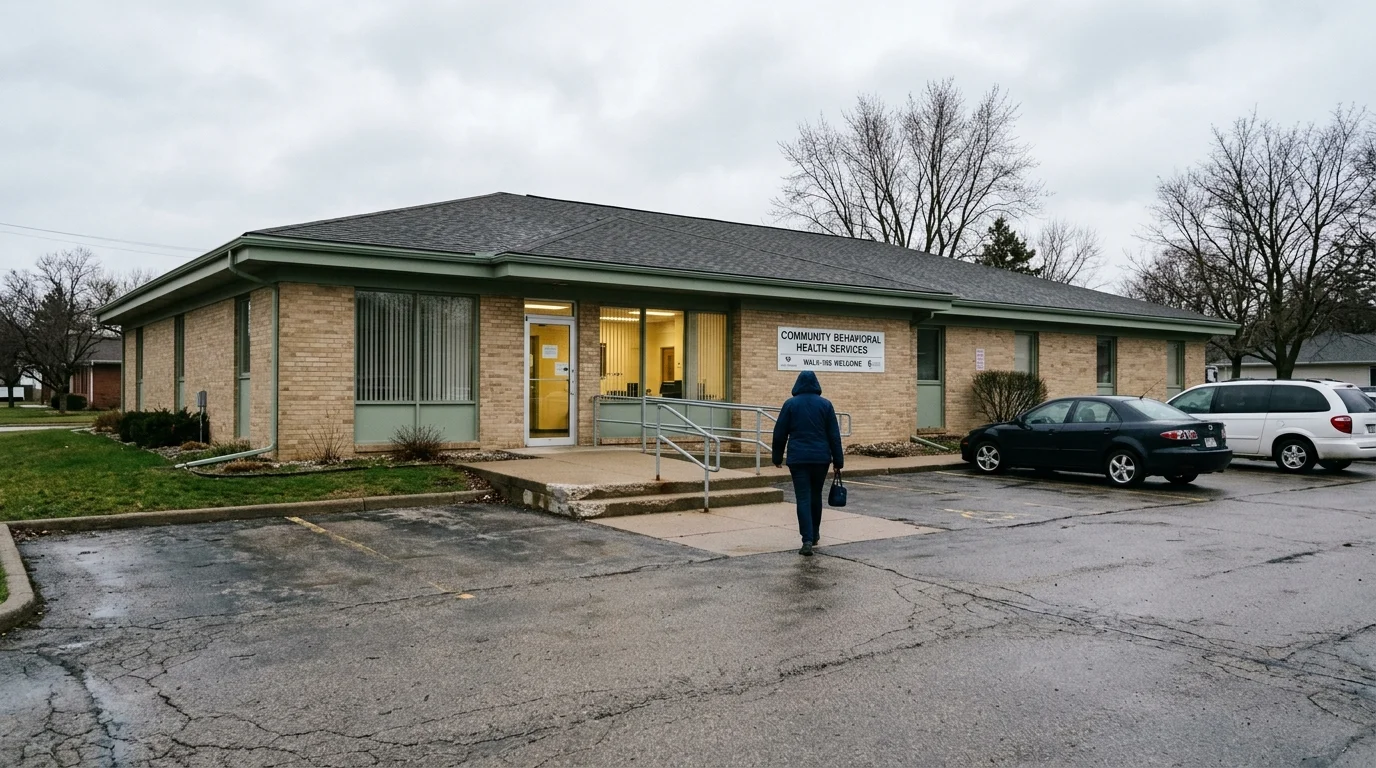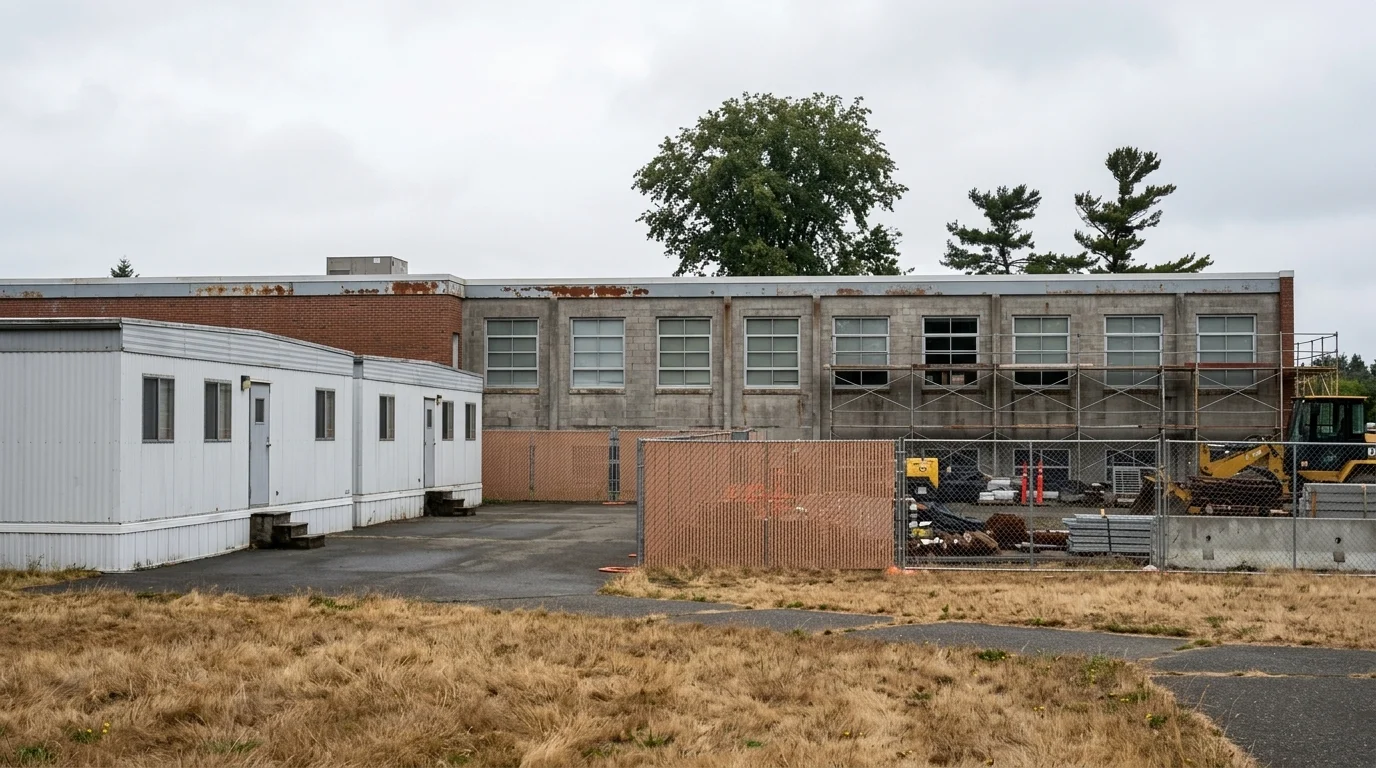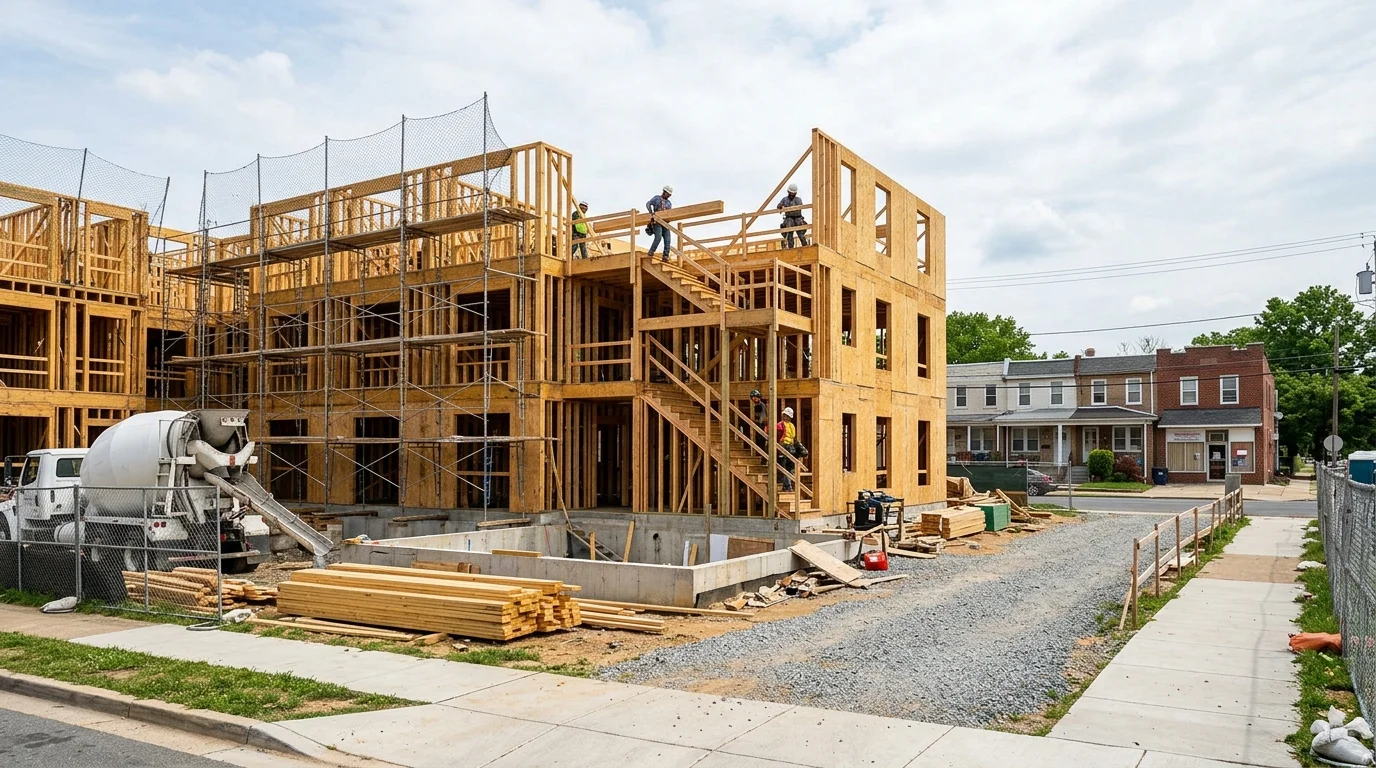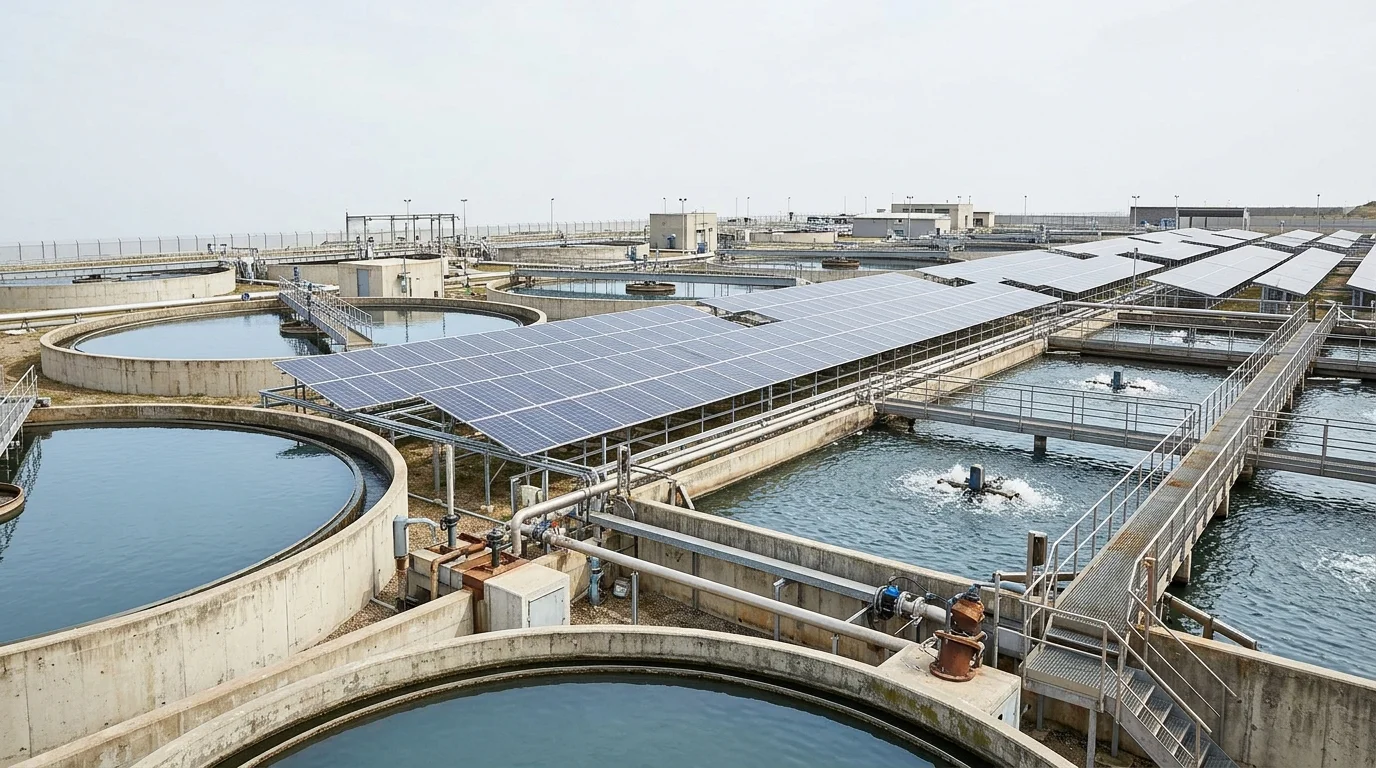
Lansing, Michigan is moving to put solar panels at its wastewater treatment plant, targeting one of the single largest drains on the city's energy budget in a bid to protect ratepayers from rising electricity costs and meet the state's new clean energy requirements.
The wastewater treatment plant is a prime candidate for the project. Facilities like it typically account for 25 to 40 percent of a city's total energy consumption, running pumps, aerators, and treatment systems around the clock. With Michigan electricity rates from utilities like DTE and Consumers Energy climbing steadily in recent years, that energy load translates directly into higher costs for the Lansing-area residents and neighboring communities the plant serves.
The timing reflects a broader shift in the economics of public-sector solar. The 2022 Inflation Reduction Act introduced a provision allowing municipalities, which previously couldn't claim federal tax credits, to receive the equivalent value as a direct cash payment from the Treasury. That change effectively cuts solar project costs by 30 percent or more before any other incentives apply, and it has triggered a wave of municipal solar installations at water and wastewater facilities across the country.
State policy is adding pressure as well. Governor Gretchen Whitmer signed legislation in late 2023 requiring Michigan utilities to reach 100 percent clean energy by 2040, with a 50 percent renewable standard due by 2030. Lansing's municipally owned Board of Water and Light, one of the largest public utilities in Michigan, gives the city direct control over energy decisions that cities served by private utilities don't have.
That autonomy matters especially here. Lansing's poverty rate exceeds 25 percent and median household income sits below the state average, so long-term operating costs at city facilities aren't abstract budget numbers. They filter through to utility bills and service fees paid by residents who have limited room to absorb increases.
The specific capacity and installation type for the project haven't been publicly detailed, and the full scope will become clearer as the procurement moves forward. The city has posted the solicitation through the Michigan Inter-governmental Trade Network, with the project now in active bidding. For more background on what's driving this project, see our earlier reporting on the plant's solar plans.
Once a contractor is selected, the city will need to finalize design and permitting before construction can begin. How much of the plant's electricity load the array will offset, and when ratepayers might see the savings reflected in their bills, remains to be determined.