Newark, New Jersey is refining its roadmap to eliminate traffic deaths, backed by a $400,000 federal grant from the U.S. Department of Transportation's Safe Streets and Roads for All program.
The money will update the city's existing pedestrian and cyclist safety action plan and fund demonstration activities, meaning Newark may pilot temporary fixes like pop-up bike lanes or curb extensions on its most dangerous corridors before committing to permanent changes. The strategy is deliberate: cities that refine their plans through this program are better positioned to compete for much larger SS4A implementation grants, which can run into the tens of millions and fund permanent infrastructure like protected bike lanes, traffic signals, and intersection redesigns.
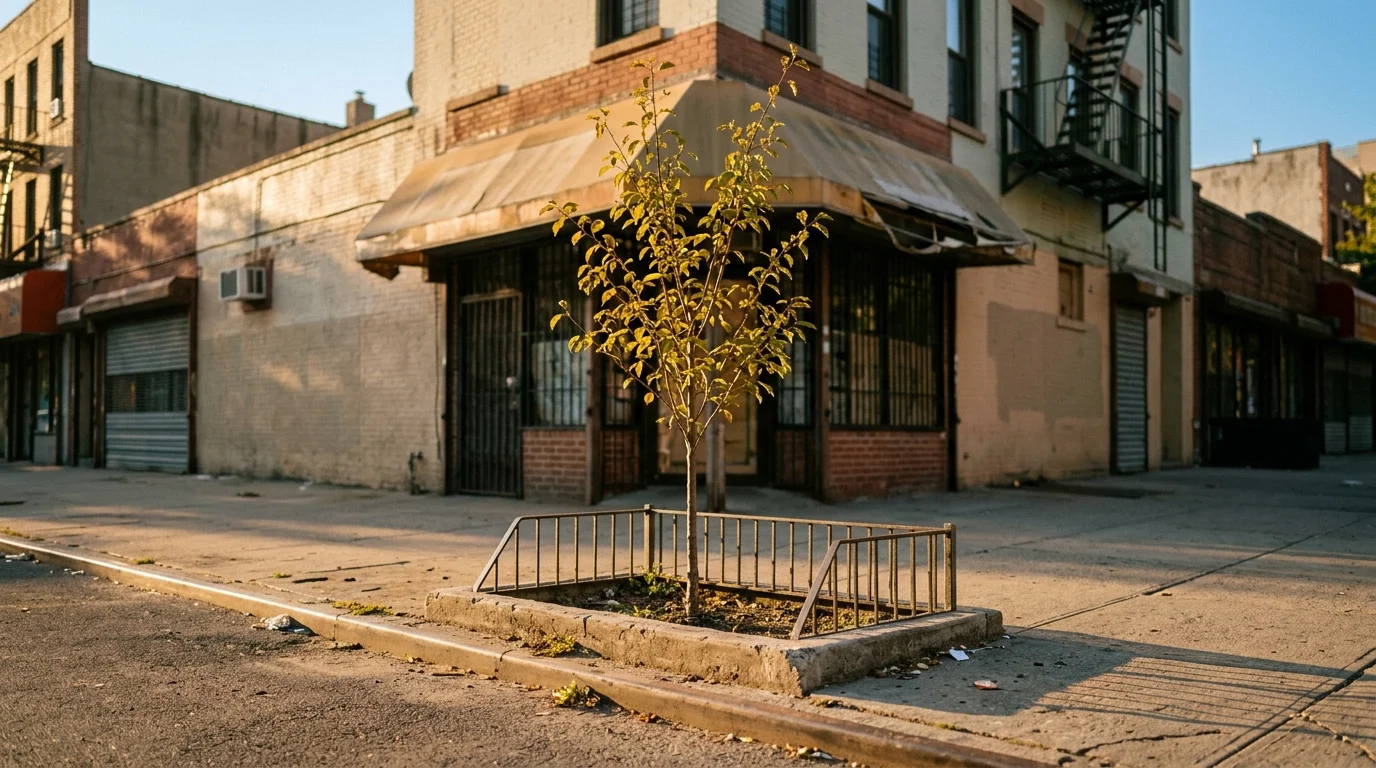
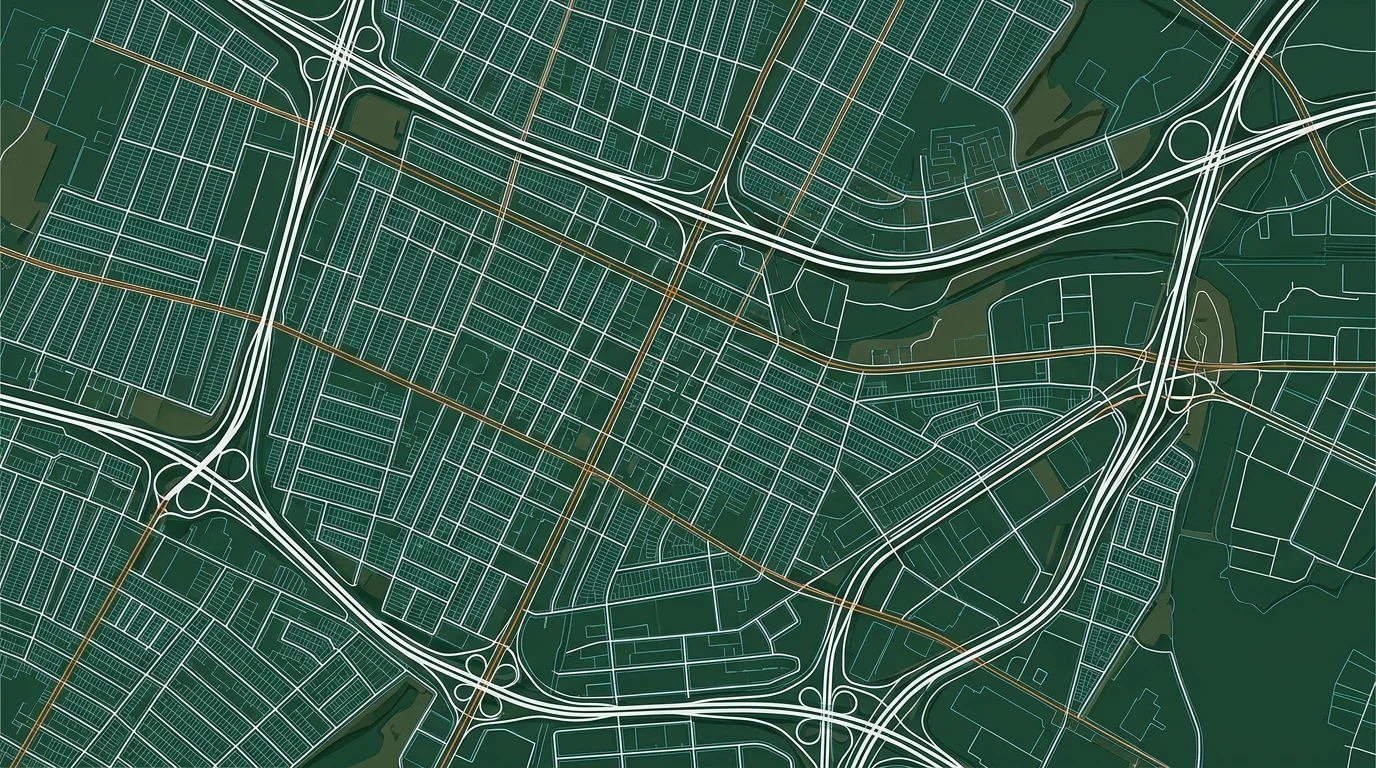
The stakes are real. Essex County, where Newark sits, consistently records among the highest pedestrian fatality counts in New Jersey, a state that ranks among the most dangerous in the nation for people on foot. Newark's street grid bears the scars of mid-20th century highway construction, including Interstate 78 and Route 21, which carved high-speed arterials through dense neighborhoods where residents walk, bike, and take transit at far higher rates than the state average. In a city where the median household income hovers around $40,000, compared to New Jersey's $97,000 statewide median, car ownership is lower and exposure to dangerous roads is higher.
Newark first adopted a Vision Zero action plan around 2017-2019, joining cities like New York in pledging to eliminate traffic deaths entirely. This grant updates that blueprint rather than starting from scratch, suggesting the city has been building on that foundation and is now iterating toward implementation. Similar federal grants have helped cities like Indianapolis rebuild streets for pedestrians and cyclists and allowed Deerfield Beach to make permanent a road safety experiment that worked.
One complicating factor: many of Newark's most dangerous roads are state-controlled, limiting what the city can redesign on its own without cooperation from the New Jersey Department of Transportation, which has faced criticism for prioritizing vehicle throughput over pedestrian safety on urban arterials.
The SS4A program, created by the 2021 Bipartisan Infrastructure Law with $5 billion in total funding, is still distributing money from previously appropriated funds, but its future rounds are uncertain under the current administration. For Newark, that makes completing a strong updated plan now more urgent, not less, as the window to compete for implementation dollars may narrow.