Gila County, Arizona is getting $26.5 million in federal emergency funds to repair stream channels and stabilize floodplains battered by flooding, as the region contends with a worsening cycle of wildfires followed by catastrophic runoff.
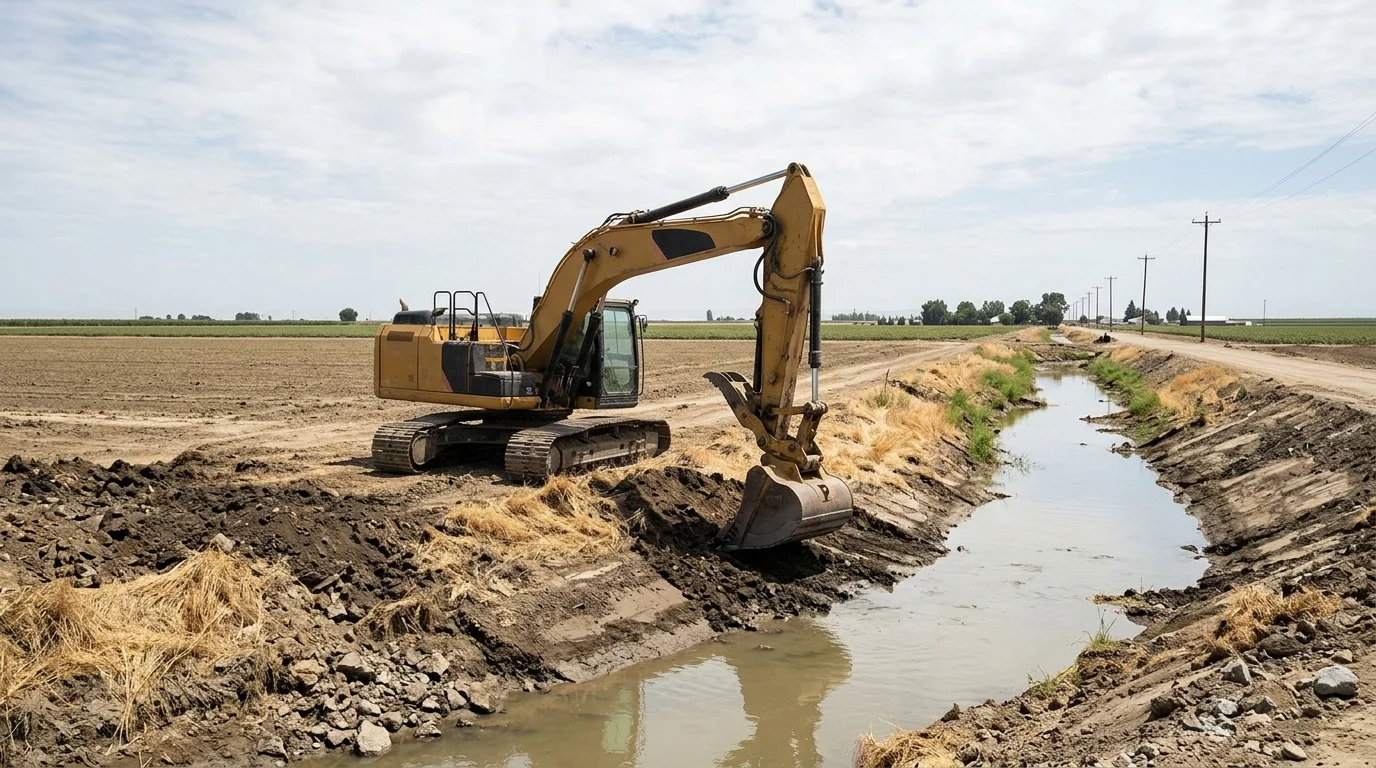
The grant from USDA's Natural Resources Conservation Service will fund sediment removal, streambank stabilization, and floodwall repairs across the county's flood-damaged watersheds. The scale of the award, among the larger individual grants under USDA's Emergency Watershed Protection Program, reflects the severity of damage to the area's waterways.
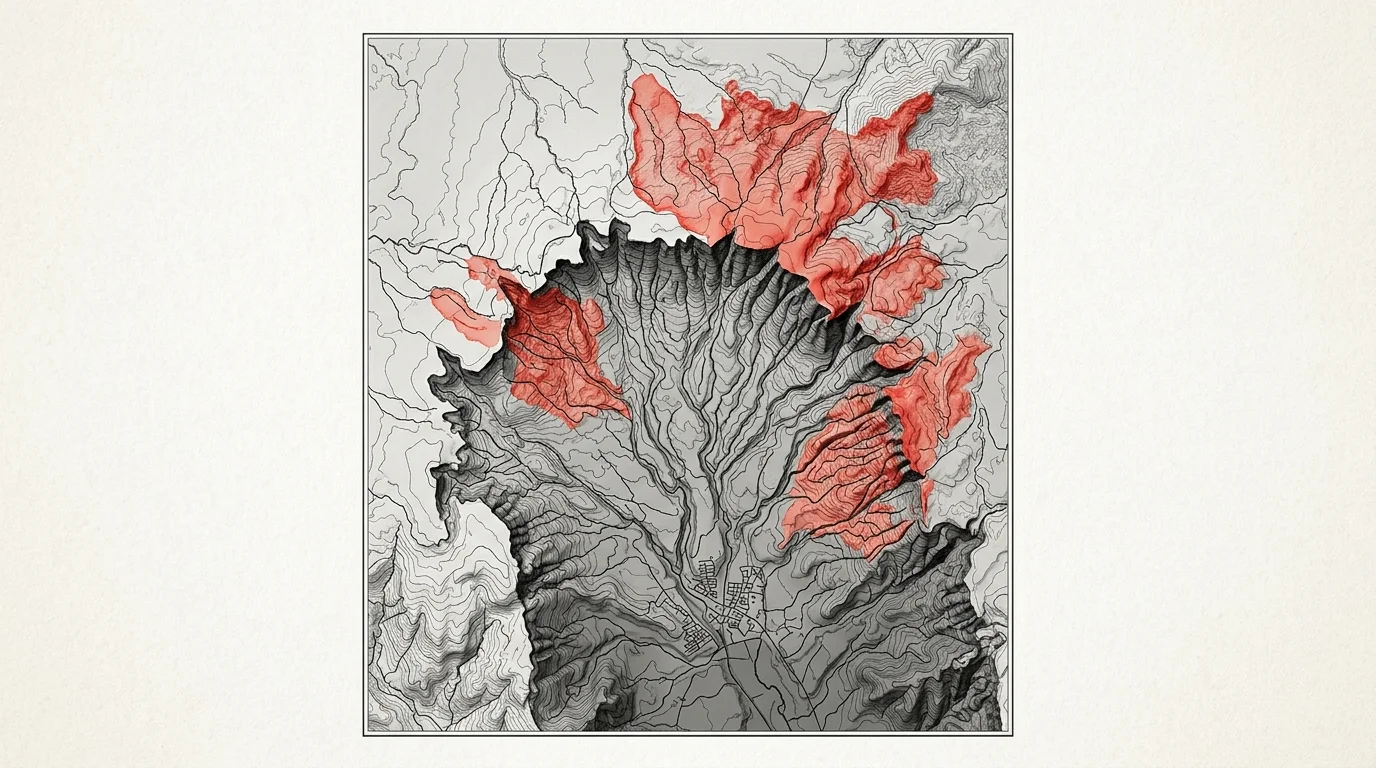
The underlying problem is geography compounded by fire. Gila County sits below the Mogollon Rim, a 2,000-foot escarpment that funnels rainfall and snowmelt into steep, narrow drainages feeding the Gila River, Salt River, and Tonto Creek. Under normal conditions, vegetation slows that runoff. But a series of massive wildfires, including the 2021 Telegraph Fire, which burned roughly 180,000 acres in the county, has stripped the hillsides bare. Post-fire landscapes can increase peak flood flows by 10 to 100 times compared to unburned terrain, and those effects can persist for years. When monsoon thunderstorms arrive each summer, the burn scars become source areas for debris flows that clog stream channels, raise riverbeds, and threaten downstream communities like Globe, Payson, and the Tonto Basin.
This isn't the first time federal dollars have flowed to the county for flood recovery. An earlier $19.3 million award targeted damage to Pinal Creek after 2025 flooding, underscoring how the disaster cycle has been repeating. Similar emergency watershed work has been funded across the West in places like Price, Utah, though the scale of Arizona's post-fire flood damage has driven some of the largest individual awards in the program.
The federal grant covers up to 75 percent of eligible costs, which means Gila County likely faces a local cost-share requirement of roughly $8.8 million, pushing the total project value toward $35 million. That's a significant burden for a county of about 54,000 residents with a thin tax base, much of it tied up in federal land. Whether the county can meet that match on its own, or will need state assistance, remains an open question as the project moves toward construction.