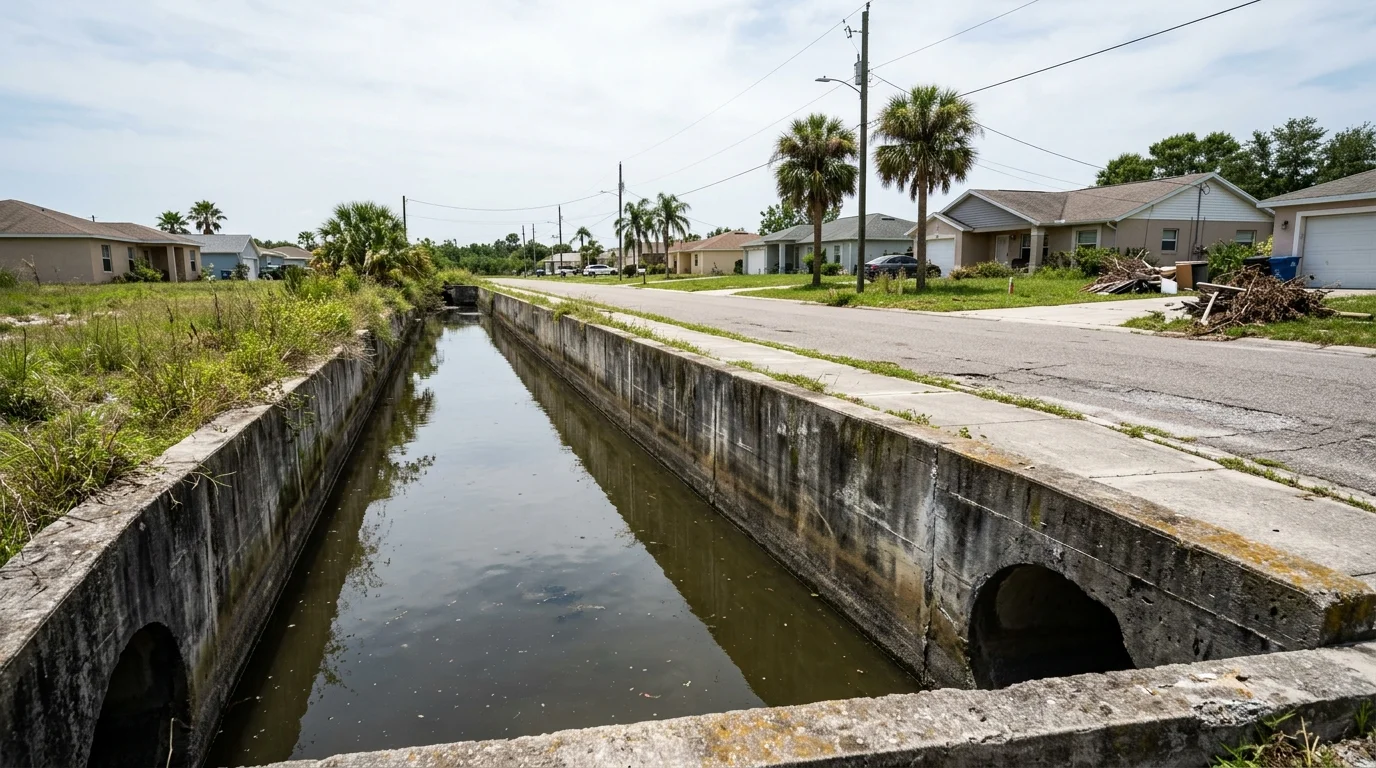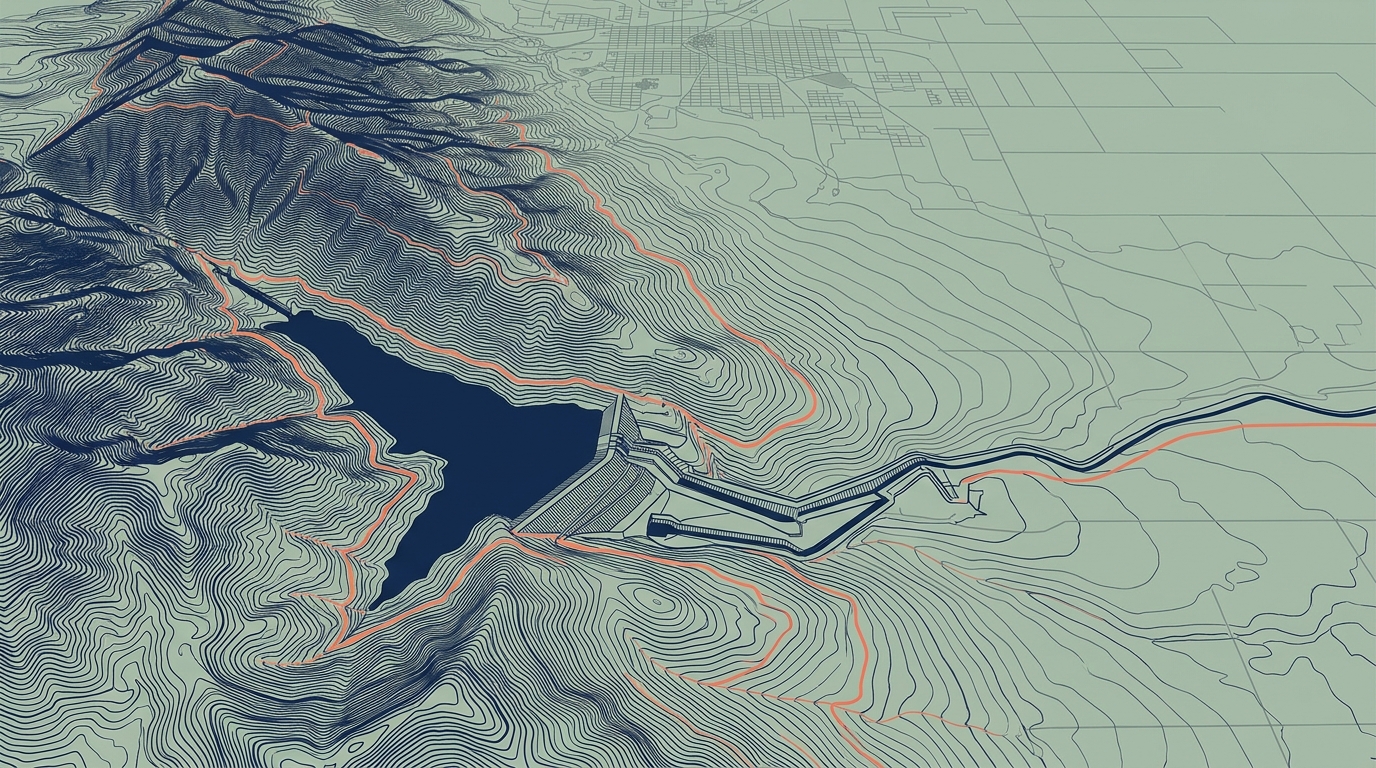
A Colorado municipality is moving forward with significant improvements to its 23rd Avenue reservoir, adding to a growing list of water infrastructure projects that Front Range communities have been pushing off for years and can no longer afford to delay.
The project, posted through the Rocky Mountain Bid System on May 8, did not identify the sponsoring agency publicly, which means full budget details and the specific drivers behind this particular project remain unclear. What is known is that the city is hiring a Construction Manager-At-Risk, a procurement approach where the contractor joins the project during the design phase, helps control costs and scheduling, and ultimately guarantees a maximum price. Cities typically choose this method for technically complex or high-stakes work where the surprises that can come with traditional low-bid contracting are too costly to risk.
That choice reflects broader pressures squeezing water utilities across Colorado and the wider American West. Many municipal reservoirs and storage facilities were built in the mid-20th century and are reaching or exceeding their design lives. Colorado's population grew roughly 15 percent between 2010 and 2020, with most of that growth concentrated along the I-25 corridor, straining systems sized for much smaller communities. Drought cycles and shifting snowmelt patterns are forcing cities to rethink how much water they can reliably store from year to year. And tightening EPA and Colorado Department of Public Health and Environment regulations have raised the bar on what aging infrastructure must meet to stay in compliance.
The American Society of Civil Engineers estimated the national funding gap for drinking water infrastructure at $434 billion over 20 years, giving the country's water systems a C- in its 2021 report card. The 2021 Bipartisan Infrastructure Law directed roughly $55 billion toward water systems nationally, much of it flowing through EPA revolving funds, and that injection of federal money has encouraged municipalities to advance projects they had long deferred.
For most Colorado cities, projects like this are paid through water enterprise funds, meaning water rates rather than general taxes. That can make large capital investments politically sensitive, since the cost ultimately lands on residents' monthly bills.
The city has not publicly announced a timeline for construction or an estimated project cost. The contractor selection process is currently underway.