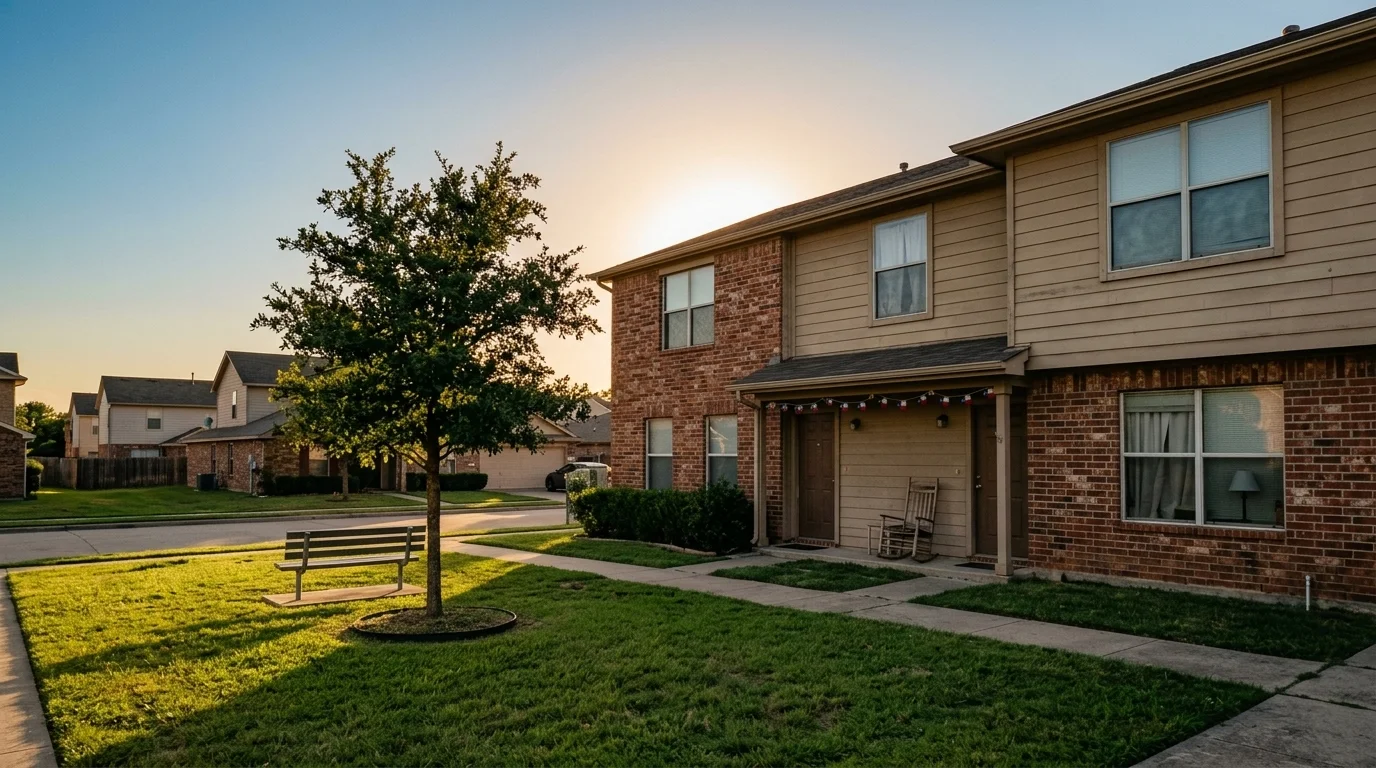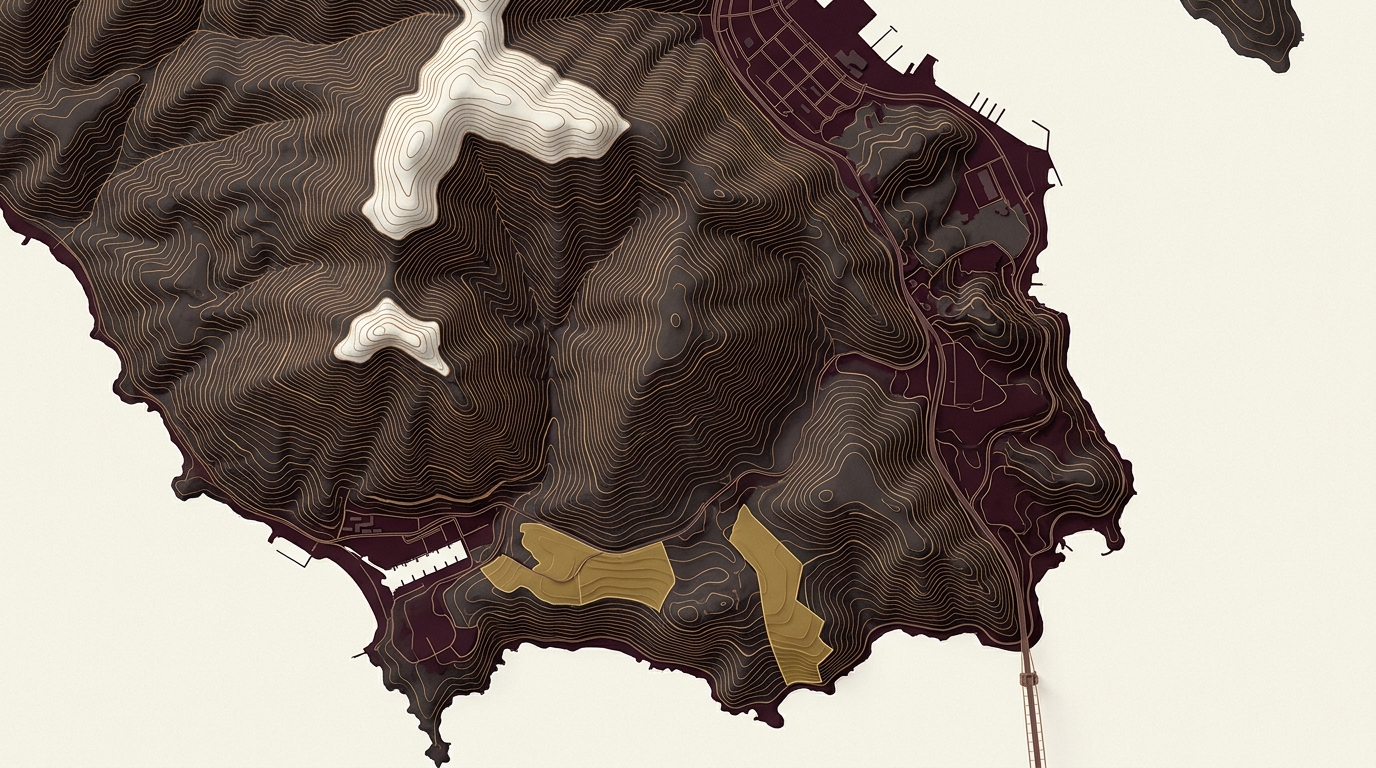
Sausalito, California, a waterfront city of roughly 7,100 people across the Golden Gate Bridge from San Francisco, is moving to build up to 81 affordable homes on two pieces of city-owned land, a significant step for one of the most expensive and housing-scarce communities in the Bay Area.
The city is seeking developers for two sites in the southern part of town: the Martin Luther King Jr. Park property at 100 Ebbtide Avenue, and the Corporation Yard, a public works facility at 530 Nevada Street that would need to be relocated as part of any project. The city is requiring proposals to cover both sites together, a bundling strategy designed to attract developers who can move both projects forward simultaneously rather than letting one languish. All units would serve very low- or low-income residents.
The move reflects the mounting pressure California has placed on affluent, slow-growth communities that have historically built very little housing. Under the state's 6th Cycle Regional Housing Needs Allocation, Sausalito is required to plan for 724 new units between 2023 and 2031, a dramatic increase from prior cycles driven by the state legislature's response to a housing shortage now estimated at 2.5 to 3.5 million units statewide. Cities that fail to comply risk losing local zoning control entirely under what's known as the "builder's remedy" provision. Sausalito had to revise its Housing Element to gain state certification, and these two sites were specifically identified as parcels the city committed to actively develop.
The sites sit near Marin City, a historically Black neighborhood whose roots trace to World War II shipyard workers, a community with a starkly different demographic and economic profile from Sausalito proper, where median home values exceed $1.3 million and the population is roughly 82% white. Marin County as a whole has faced decades of criticism for exclusionary housing practices, including a 2011 federal civil rights complaint that resulted in a county settlement requiring affirmative steps toward fair housing.
With virtually no vacant private land remaining in its roughly two square miles, Sausalito has little room to maneuver. The two city-owned parcels represent a rare case where the city controls the land outright and can move without negotiating with private owners. The 100% affordable preference also positions the projects to compete for state funding streams, including tax credit allocations and programs administered by California's Department of Housing and Community Development, that strongly favor fully affordable development on public land.
Opposition from residents concerned about density and neighborhood character is likely, given the city's history. The Corporation Yard conversion adds logistical complexity, and the MLK Park site raises questions about the reconfiguration of public open space.
The city is accepting proposals through May 31, 2026, with developer selection expected to follow later in the year.