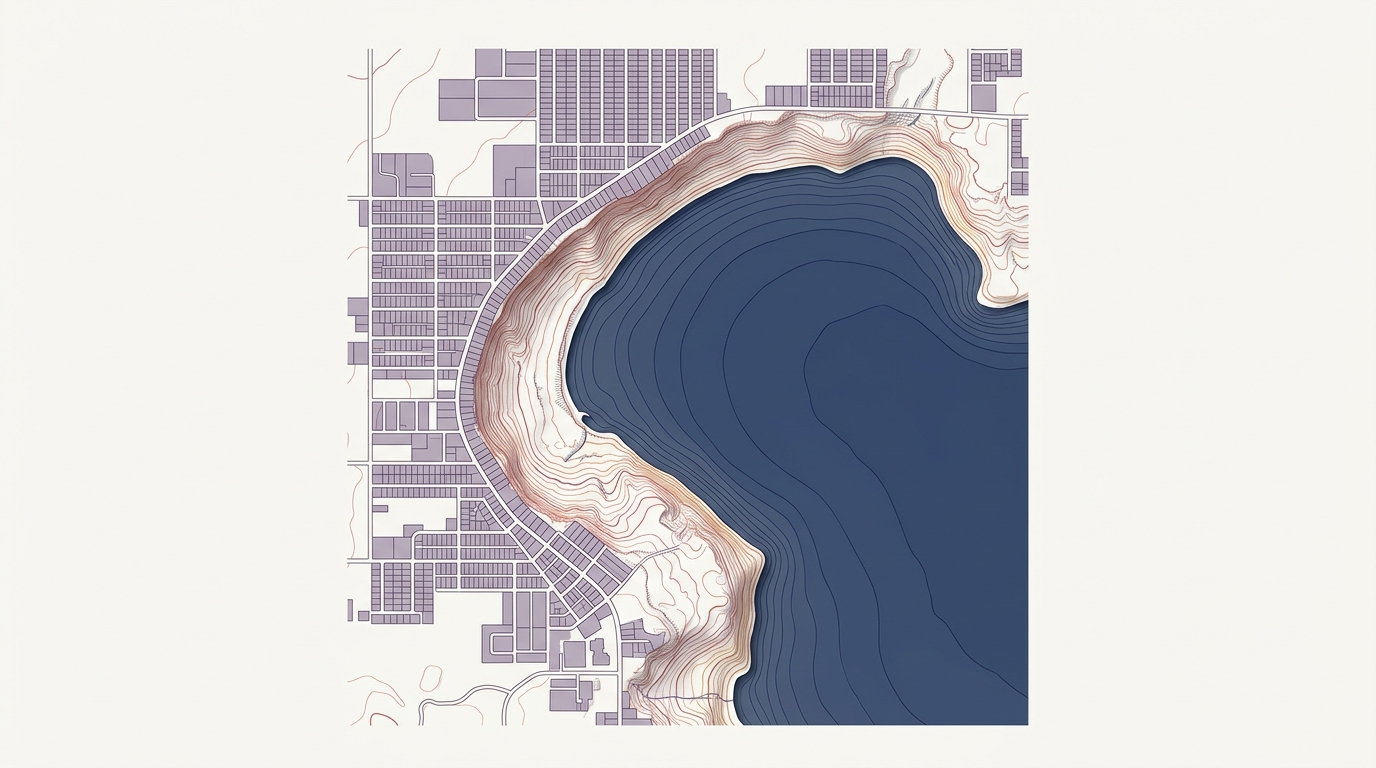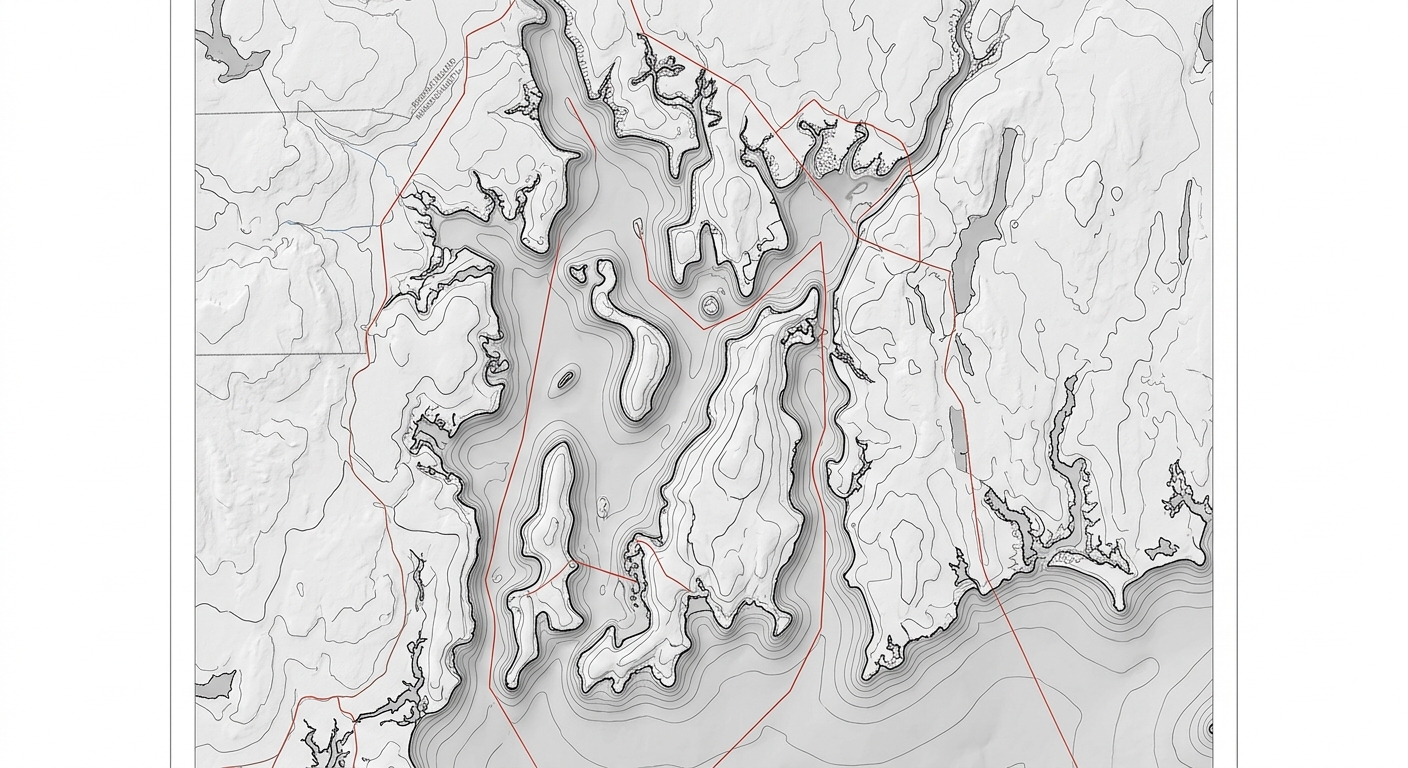
Narragansett Bay, the largest estuary in New England and the geographic heart of Rhode Island, is getting a fresh round of federal investment aimed at clearing one of environmental restoration's most stubborn obstacles: getting projects through the planning and permitting process so they can actually be built.
The EPA has awarded $909,800 to Roger Williams University in Bristol, Rhode Island, which serves as the institutional home of the Narragansett Bay Estuary Program. Nearly all of it, $877,400, will be distributed as competitive grants to local organizations in amounts ranging from $50,000 to $250,000, funding up to eight projects focused on pollution cleanup and habitat restoration across the bay's watershed, which spans both Rhode Island and Massachusetts.
The bay's environmental story is one of partial recovery and persistent pressure. Decades of industrial pollution from Providence-area textile mills and jewelry manufacturers had turned the upper bay into what scientists described as an industrial sewer by the mid-20th century. The Clean Water Act and more than $1 billion in sewer improvements brought measurable gains: fish and shellfish returned to areas where they had been absent for decades. But serious problems remain. Nitrogen runoff drives low-oxygen dead zones in the upper bay each summer. Water temperatures have risen roughly 3 degrees Fahrenheit since the 1960s, pushing out cold-water species like winter flounder and lobster and fueling harmful algal blooms. Salt marshes continue to disappear.
The new funding comes through the Infrastructure Investment and Jobs Act, which roughly quadrupled annual federal support for the National Estuary Program when it was signed in 2021. This grant is part of that multi-year rollout, covering fiscal year 2027.
The decision to fund planning and permitting rather than construction is deliberate. A common bottleneck in environmental work is that local groups have strong project ideas but can't afford the expensive engineering studies and permit applications required before a shovel can go in the ground. By getting projects to that "shovel-ready" stage, the NBEP hopes they'll be positioned to compete for larger construction funding in future rounds.
Whether that future funding arrives is an open question. The Trump administration's EPA has proposed cuts to the National Estuary Program in recent budget cycles, and advocates for the program have pushed back, citing its cost-effectiveness. Roger Williams University will begin developing at least one competitive grant solicitation to distribute the funds, with specific project priorities still to be determined.