Mifflinburg, Pennsylvania is pushing ahead with long-overdue water system upgrades, but the borough's effort to modernize aging pipes along Old Orchard Lane has already run into a problem that's becoming familiar for small towns across the state: no one showed up to bid.
The central Pennsylvania borough of roughly 3,500 residents is replacing approximately 1,800 linear feet of water mains and installing a new package booster pump station while tearing out the existing one. The work targets a section of the distribution system where aging infrastructure has compromised reliability and pressure. As covered in earlier reporting on this project, the upgrades are part of a broader push to extend the life of a system that serves a community with a limited tax base and few options beyond state loan and grant programs to pay for capital work.
The current holdup is the electrical contract. When the borough first sought bids for that portion of the work, the deadline passed on April 16 without a single response. Under Pennsylvania law, the borough is now rebidding the contract, with a new deadline of May 14, 2026.
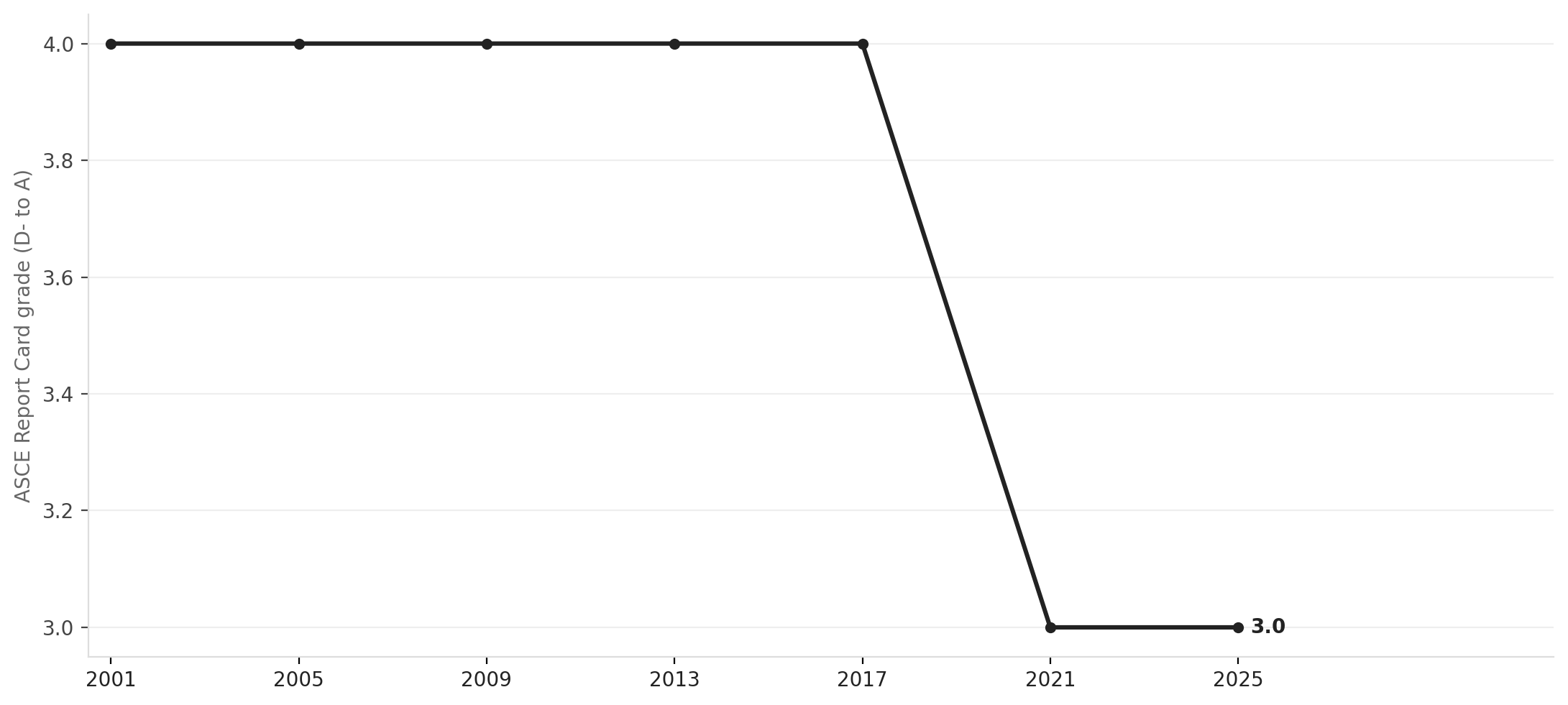
Source: NationGraph.
That failed round isn't just a paperwork delay. It reflects a contractor shortage that has become a quiet crisis for rural municipalities trying to complete federally and state-funded infrastructure projects. Electrical contractors weighing small public jobs must contend with prevailing wage requirements, bonding obligations, and profit margins that often look thin compared to private work. Pennsylvania's Separations Act, which requires public projects to be split into separate prime contracts for electrical, mechanical, and general construction work, compounds the problem by breaking jobs into packages that may be too small to attract sufficient interest, particularly in regions like Union County where the pool of willing bidders is already limited.
Mifflinburg chose to procure the booster pump station directly rather than leaving it to a contractor, a practical strategy to keep that piece of the project on schedule regardless of bidding complications. The new station will be a factory-assembled package unit, a common choice for small water systems looking to improve reliability without the cost of custom-engineered equipment.
Whether the rebid draws any takers will determine how quickly residents on Old Orchard Lane see construction begin. If the borough again receives no bids, it would face the prospect of a third round or a redesigned procurement, adding months and potential cost increases to a project that, like much of Pennsylvania's small-town water infrastructure, has already waited long enough.