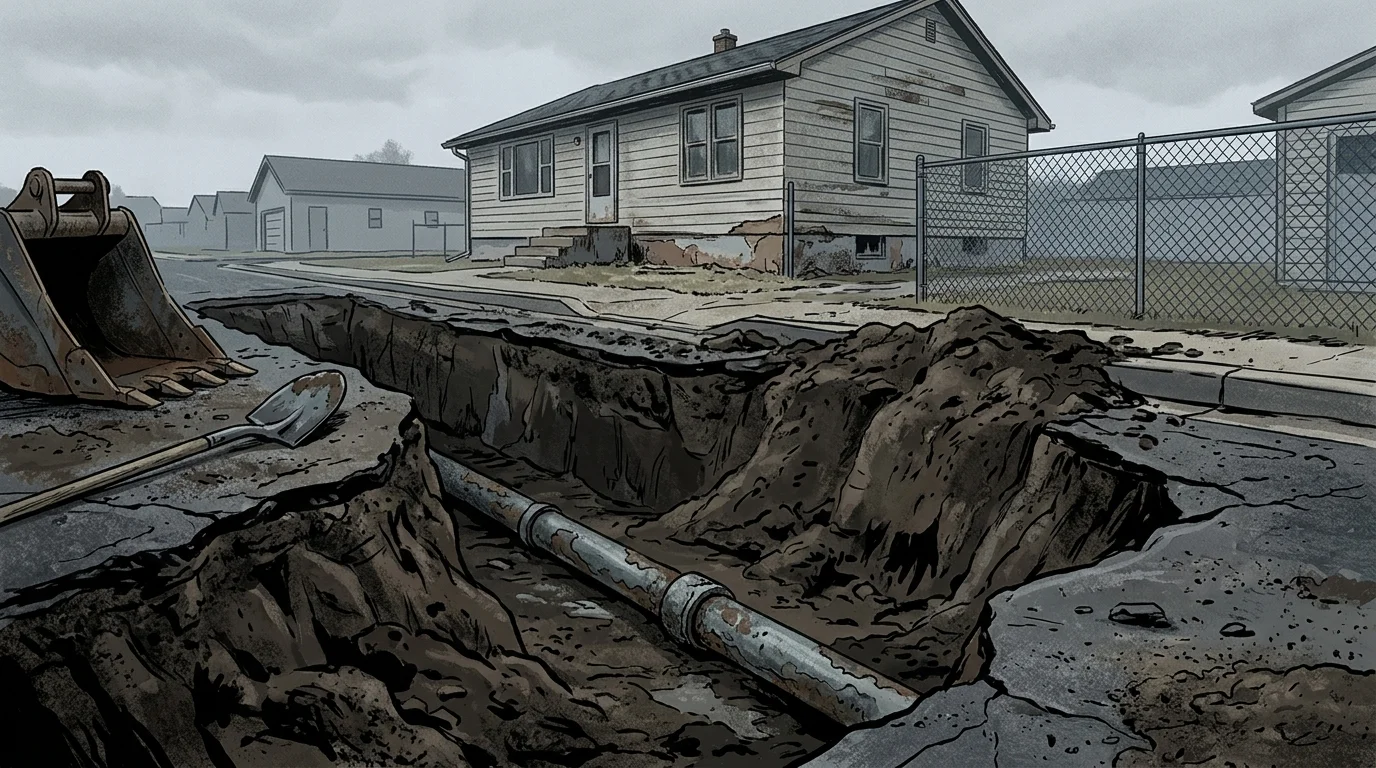
Two aging dams on Big Muddy Creek in rural south-central Kentucky are getting $3 million in federal repairs after spring 2025 flooding battered the structures, leaving them compromised for nearly a year while local officials waited for funding to come through.
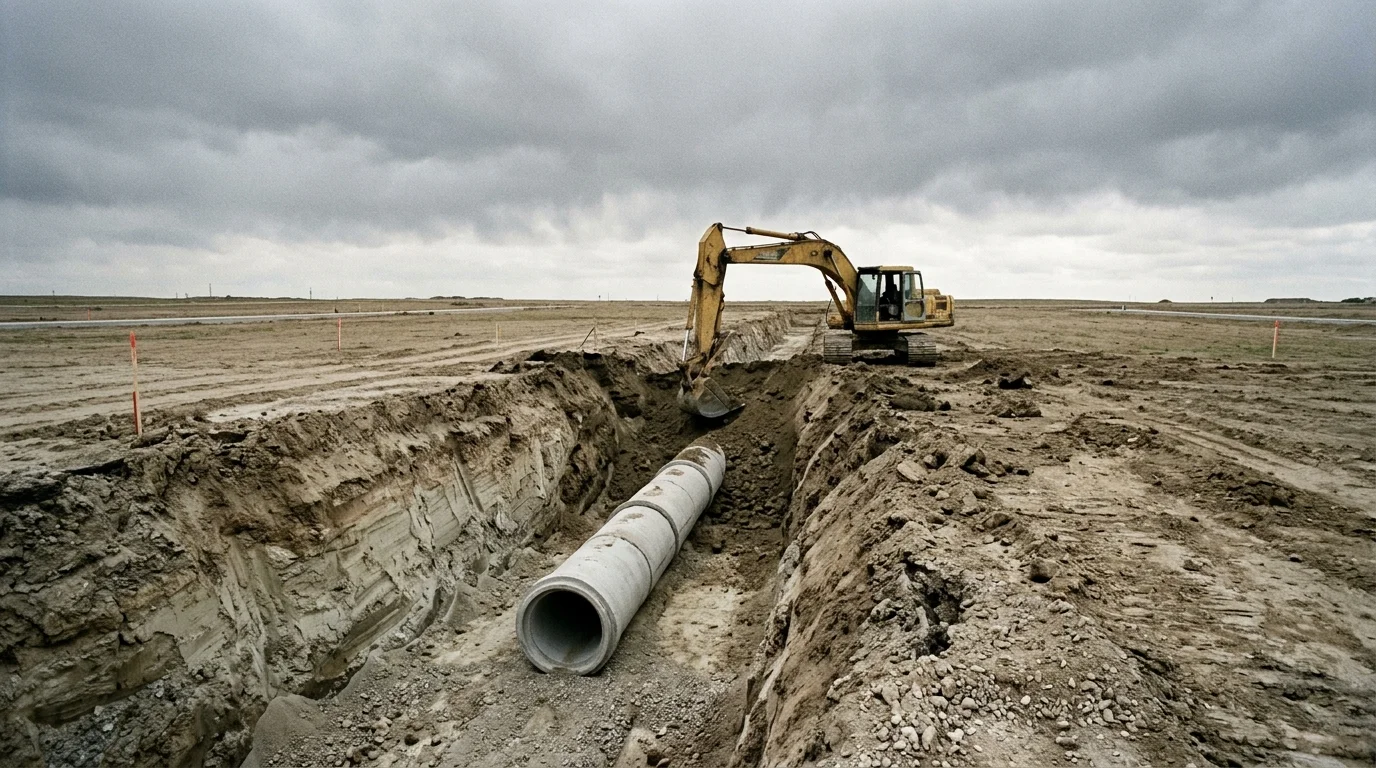
The money comes through the USDA's Emergency Watershed Protection program, administered by the Natural Resources Conservation Service (NRCS), which dispatched engineers to assess the damage and formally document what the flooding broke. The repairs cover auxiliary spillways and dam structures in Butler County (population around 13,000) and Logan County (population around 27,000), two agricultural counties in the Green River watershed that depend heavily on federal disaster programs when floods hit, their tax bases are too small to absorb major infrastructure losses on their own.
The dams being repaired are almost certainly part of the nationwide network of small watershed dams built by NRCS from the 1950s through the 1980s under federal flood-control programs. Designed to protect downstream farms and communities from flooding and erosion, thousands of these earthen structures are now 40 to 60 or more years old, well past the 50-year design life many were built to. A 2019 NRCS assessment found more than 2,000 of the nation's roughly 11,800 watershed dams had exceeded that threshold, with many rated high-hazard. Congress has funded rehabilitation programs over the years, including $300 million in the 2022 Inflation Reduction Act, but the estimated national repair need runs into the billions.
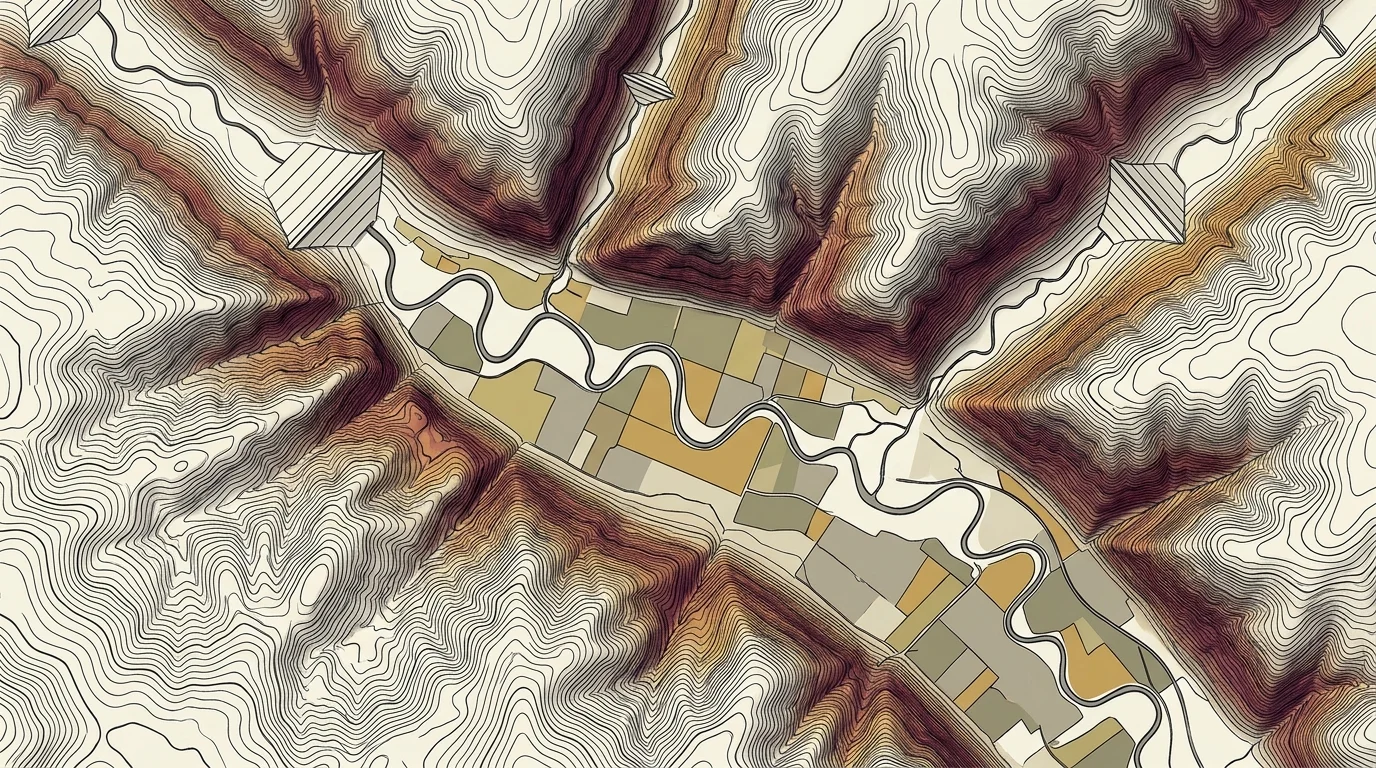
Kentucky has been hit hard by flooding in recent years. The July 2022 floods in eastern Kentucky killed more than 40 people and caused billions in damage, drawing sustained national attention. Butler and Logan Counties are less prominent in that coverage but sit in a region where spring flooding is a recurring threat, worsened by the heavy clay soils and narrow valleys that funnel water quickly.
The federal grant covers roughly 75 percent of eligible costs under the EWP program's standard formula, meaning the total project cost could approach $4 million, with local sponsors responsible for the remainder. That cost-share requirement can be a real burden for small rural governments.
Similar USDA watershed repair grants have gone to rural communities across the country facing the same combination of aging infrastructure and intensifying storms, including a $4.4 million award in Burnet, Texas and $26.5 million in Gila County, Arizona. The gap between when disasters strike and when federal money arrives remains a persistent challenge: the spring 2025 flooding that triggered this award happened roughly a year before the grant was posted.