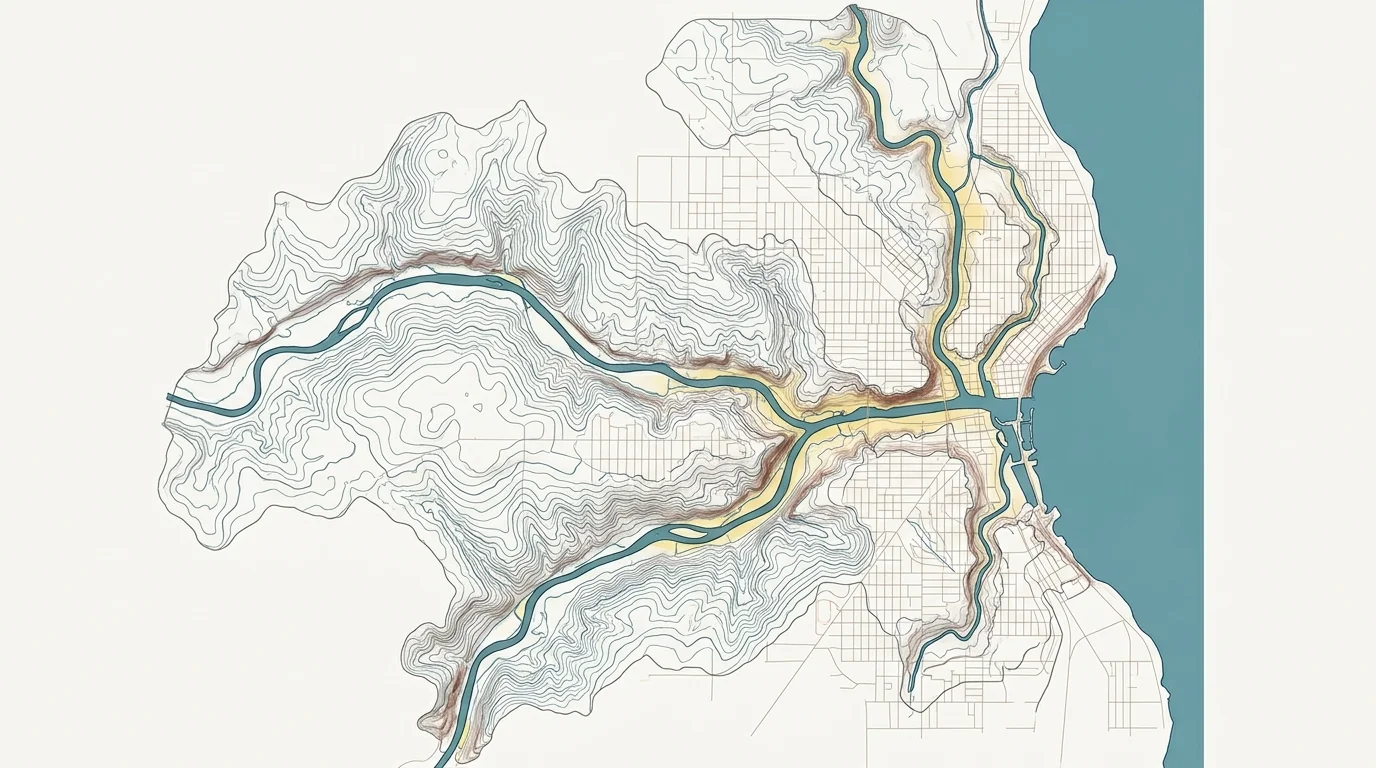
Greater Milwaukee's stormwater system is getting reinforcements in two flood-vulnerable corridors, as the Milwaukee Metropolitan Sewerage District moves to upgrade aging pump stations that were designed for a climate that no longer exists.
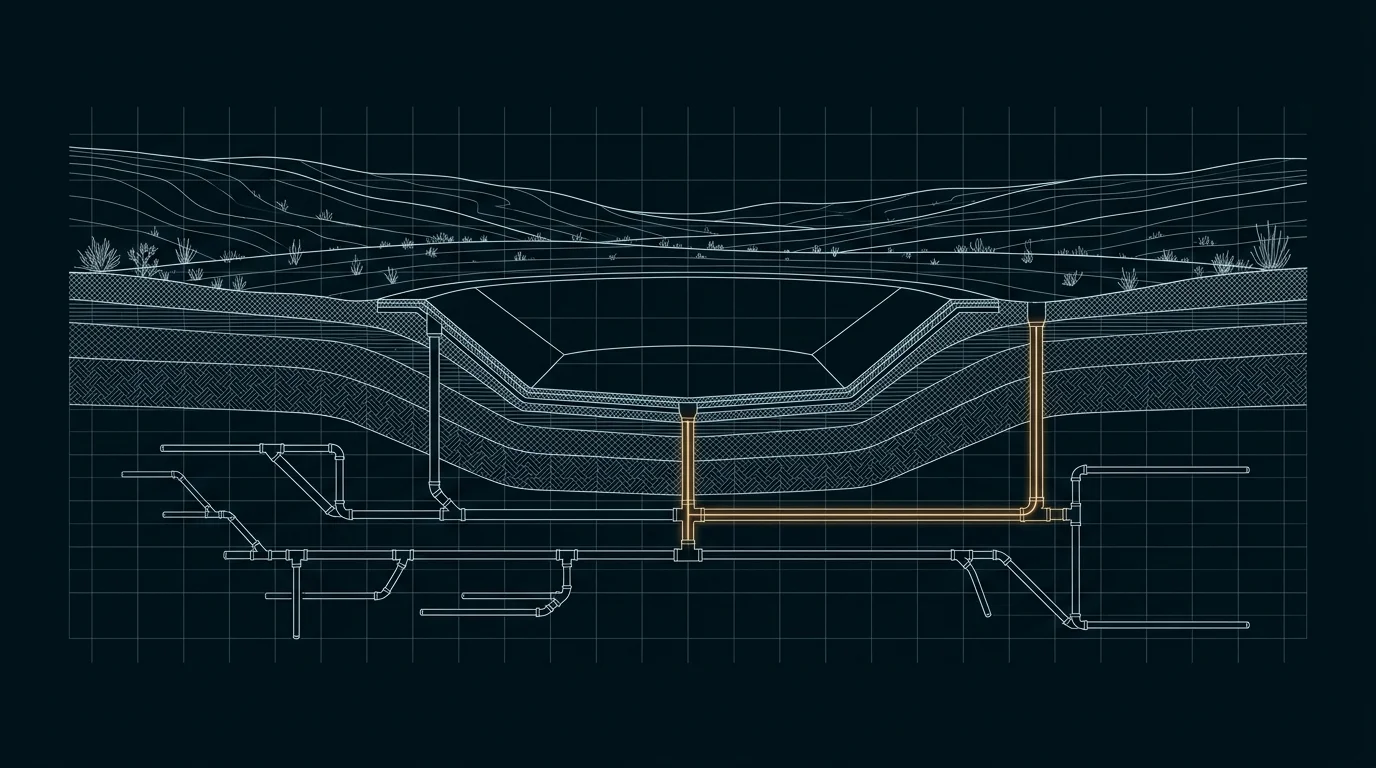
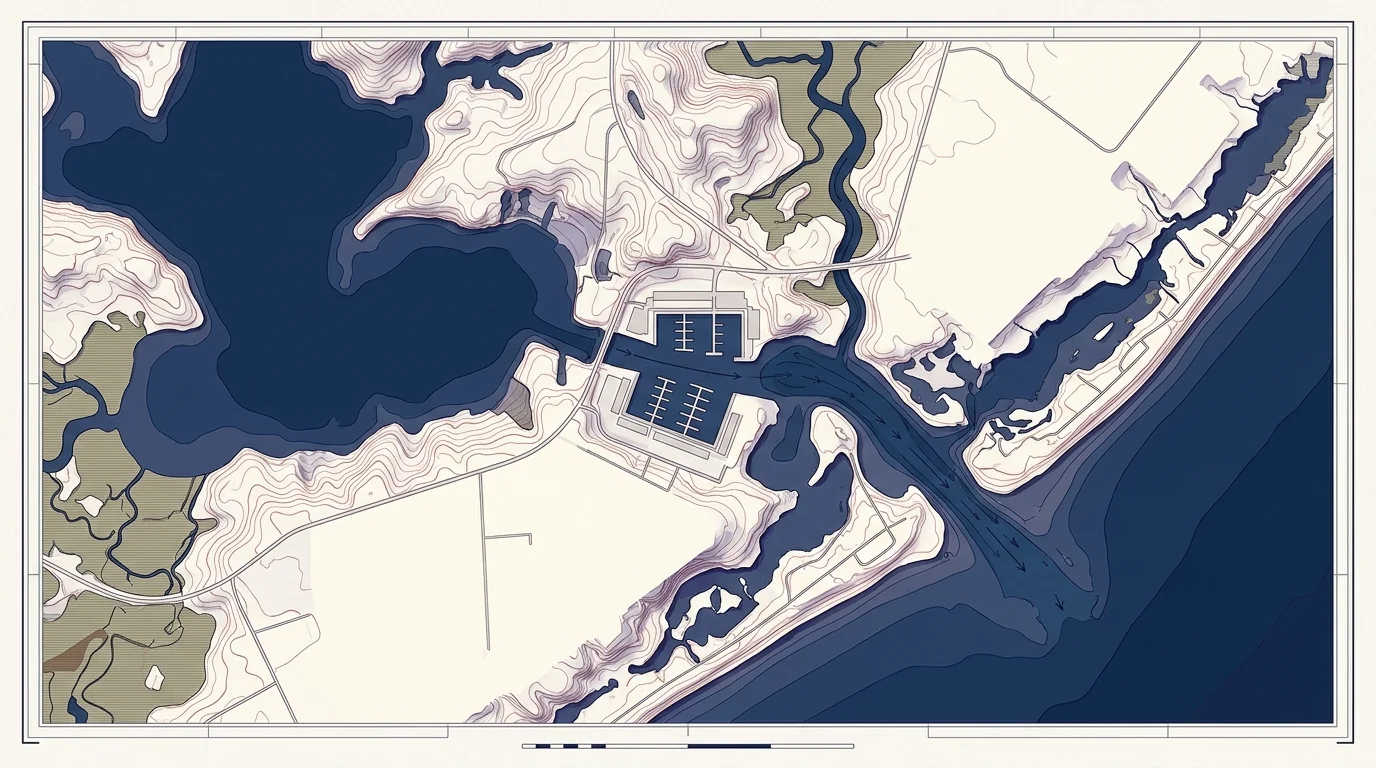
The district is seeking contractors to modernize the Greenfield Park pump station, which sits along the Root River in the southern suburbs, and the Underwood Creek pump station, which serves a tributary of the Menomonee River on the metro area's western edge. Both facilities are critical links in MMSD's network of more than 21 pump stations that push stormwater through a system serving roughly 1.1 million people across 28 municipalities. When pump stations falter during intense storms, the consequences are immediate: flooded basements, backed-up sewers, and polluted waterways.
The urgency is rooted in a well-documented pattern. Heavy precipitation events in the Upper Midwest have increased roughly 40 percent since the 1950s, according to NOAA data, and storms that once qualified as once-in-a-century events are now arriving with troubling regularity. Milwaukee's geography compounds the risk: the city sits at the confluence of three rivers flowing into Lake Michigan, and the region's flat terrain and clay-heavy soils give water nowhere to go.
The district has been fighting this battle for decades. After federal pressure under the Clean Water Act exposed Milwaukee's aging combined sewer system as a major source of raw sewage in Lake Michigan, MMSD built the Deep Tunnel, an underground storage network completed in phases starting in 1994 that can hold up to 521 million gallons during storms. A major expansion followed in 2010, the same year catastrophic July flooding overwhelmed the metro area and caused billions in damage. Despite that investment, flooding and overflows have persisted, and many pump stations still date to the mid-20th century.
The current upgrades are part of MMSD's long-range MMSD 2050 plan, which prioritizes climate resilience across the district's aging infrastructure. Funding options for projects like this have expanded in recent years: the 2021 Bipartisan Infrastructure Law directed billions toward water systems nationally, including money flowing through EPA's Clean Water State Revolving Fund, and Wisconsin's own Environmental Improvement Fund offers low-interest financing for qualifying stormwater projects.
The specific cost and construction timeline for the Greenfield Park and Underwood Creek upgrades have not been disclosed in publicly available records. The district's capital program runs into the hundreds of millions annually, and ratepayer affordability has been an ongoing political tension as those costs are distributed across member municipalities. Contractor bids will help determine final project costs, and MMSD is expected to move toward construction once a contractor is selected.