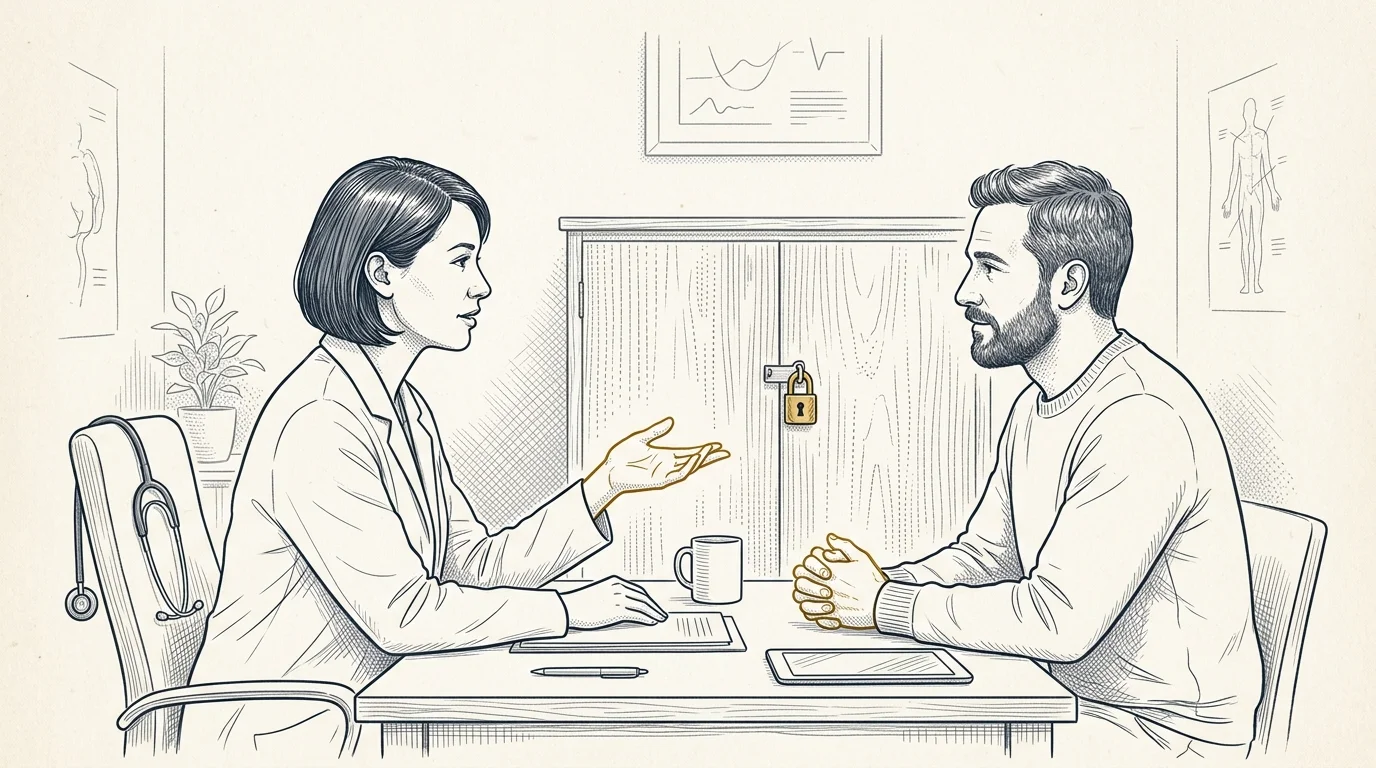
Henry Ford Health in Michigan is expanding a firearm safety counseling program into adult primary care, betting that brief conversations about how guns are stored at home can meaningfully reduce suicide deaths.
The effort builds on a large clinical trial that already showed the approach works. In that earlier study, researchers tested the S.A.F.E. Firearm program across 30 pediatric clinics at Henry Ford Health and Kaiser Permanente Colorado, reaching parents during routine well-child visits. Before the program launched, only about 3% of eligible patients received the counseling. With staff training, built-in reminders in the electronic health record, and hands-on support for clinic teams, that number climbed to 54%. The new phase, called SCALE-ASPIRE and backed by a $272,118 grant from the National Institute of Mental Health, will test whether those same results can be replicated when the audience shifts from parents of young children to adults broadly.
The logic is straightforward: firearms are present in roughly 40% of American homes, and reducing access to a loaded gun during a crisis is one of the few suicide prevention strategies with strong evidence behind it. Adults who receive counseling may secure their own firearms, but they may also have children or grandchildren in the home who benefit indirectly.
The new study will span 48 clinics in adult primary care and women's health across both health systems. Researchers will work with clinicians, clinic leaders, and patients to adapt the program for this new setting before testing whether it changes how people store their firearms and whether it reduces suicide attempts, suicide deaths, and firearm injuries.
The research is led by Northwestern University in collaboration with the two health systems. It is among the larger real-world implementation studies in this area, designed not just to ask whether firearm counseling works, but how to make it stick across different clinics and patient populations. Similar federally funded behavioral health research has been expanding in recent years, including work testing mental health screening in nontraditional settings like Chicago parks.
Results from the trial are expected to inform how health systems nationwide could adopt the program at scale.