St. Louis, Michigan is moving to replace a deteriorating water main running through a residential corridor before the aging pipe fails, pairing the underground work with a full street rebuild in a project that reflects how small Midwestern cities are racing to fix infrastructure that has been deferred for decades.
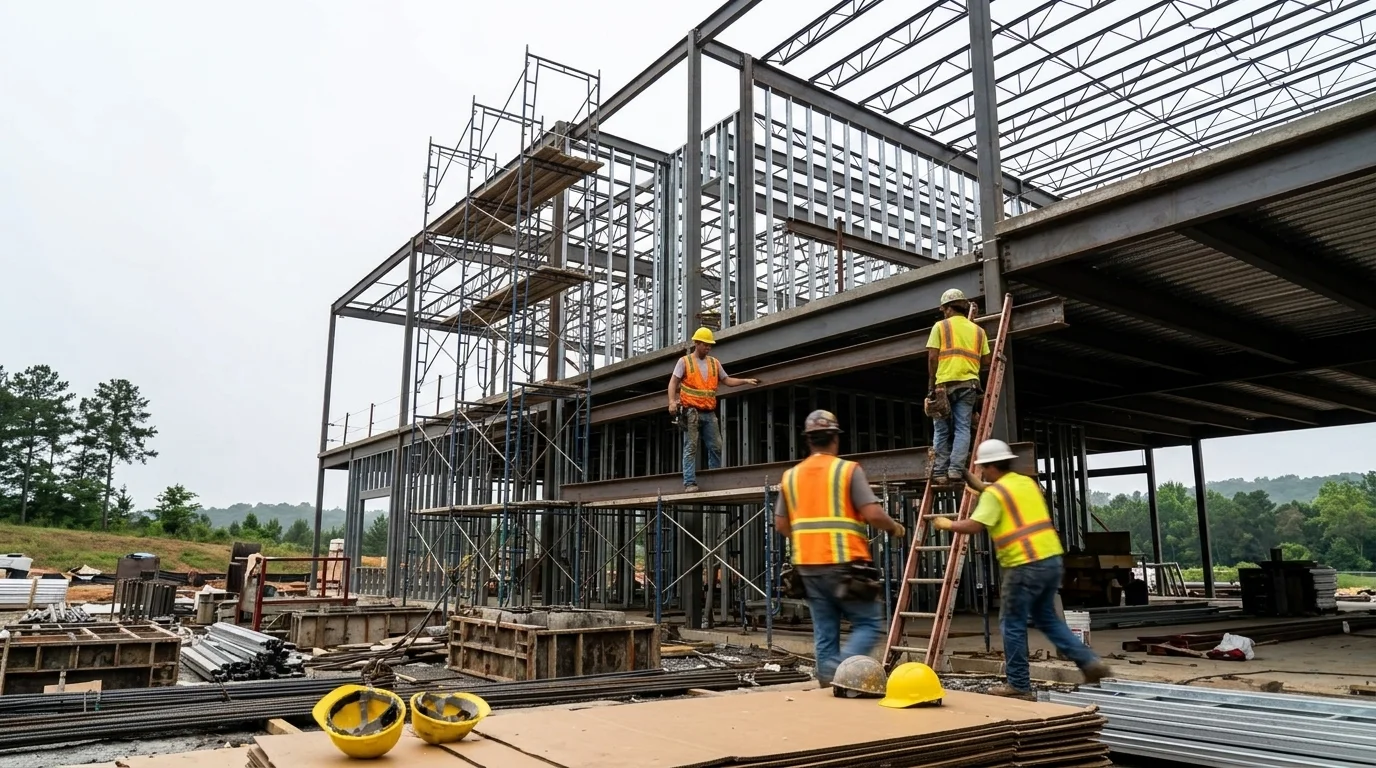
The city, a rural community of about 7,200 people in Gratiot County in the central Lower Peninsula, is seeking contractors for the project on the stretch between Martin and James streets. Rather than dig up the road twice, the city is combining the water main replacement with full pavement reconstruction in a single pass, a standard practice for Michigan municipalities trying to squeeze value from limited budgets.
The cost won't be known until bids come in, but projects of this type in small Michigan cities typically run into the millions of dollars. St. Louis has a median household income well below the state average, meaning it relies heavily on state and federal funding channels to afford capital work like this. Post-Flint, those channels have expanded significantly: the 2021 federal infrastructure law directed $55 billion toward water systems nationally, with substantial portions flowing through Michigan's Drinking Water State Revolving Fund to communities that previously couldn't afford systematic pipe replacement.
The timing matters. Water mains installed in Michigan cities during the mid-20th century are now at or past their expected service life of 75 to 100 years. Pipes that have reached that age tend to break more often, cost more to maintain in emergency repairs than they would to replace proactively, and can cause pressure drops or water quality problems for the residents and businesses they serve. St. Louis also carries a heightened community awareness around water safety: the city spent years grappling with legacy contamination from the Velsicol Chemical plant on the Pine River, an experience that sharpened local attention to anything touching water quality.
The solicitation was posted May 6 through the Michigan Inter-governmental Trade Network, the standard procurement platform for Michigan municipalities. Once bids are received and a contractor is selected, construction would bring temporary disruptions to the affected corridor before delivering upgraded water service and a reconstructed road surface expected to last for decades.