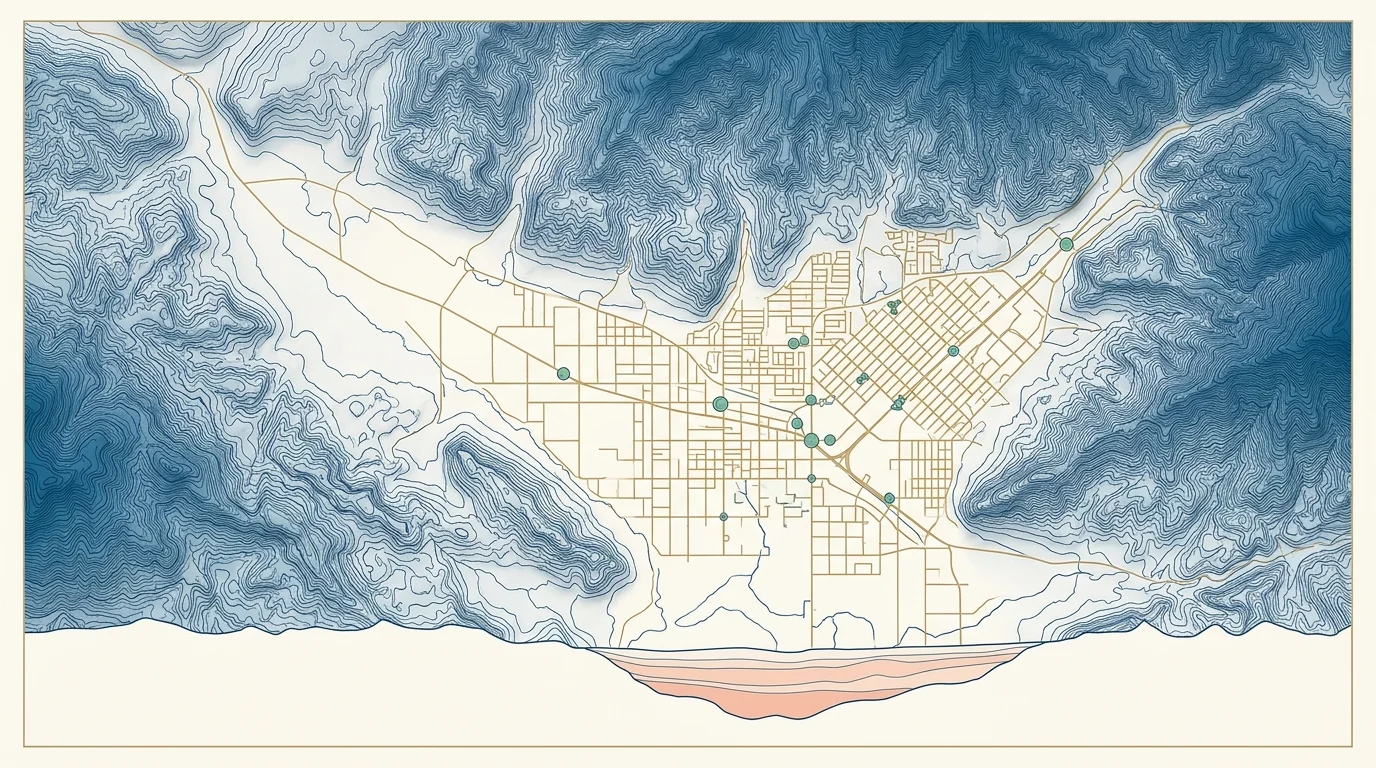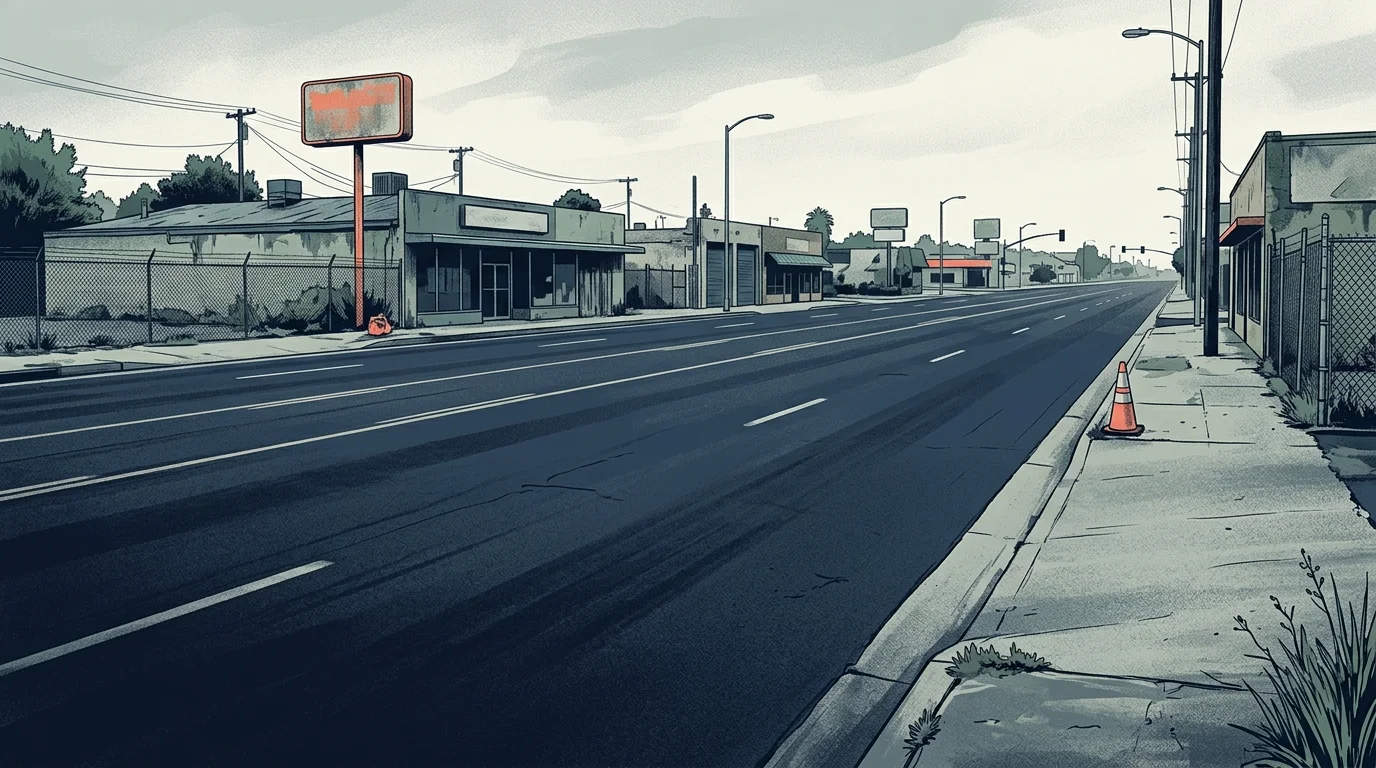
Along White Road in East San Jose, California, the stretch between Penitencia Creek Trail and Aborn Road has long posed a quiet danger: for more than half a mile, there is no controlled crossing. For residents who walk to school, catch a bus, or run errands on foot, that means crossing a wide, fast-moving arterial on their own.
The city is now moving to fix it. San Jose has secured a $3.38 million federal grant through the Congestion Mitigation and Air Quality Improvement Program (CMAQ) to add three new traffic signals along the corridor, along with protected bike lanes, new crosswalks, and a redesign of several intersections. The longest uncontrolled stretch will shrink from 2,700 feet to 1,700 feet, still long, but meaningfully shorter.
The improvements also include high-visibility crosswalk markings, removal of slip lanes that push turning cars through pedestrian paths, and lane reductions that slow vehicle speeds. The goal is to make the road safer for the people who use it most: students walking to nearby schools, transit riders reaching VTA bus stops, and residents in a part of the city where car ownership rates are lower than average.
East San Jose, home to large Latino and Vietnamese American communities, has historically seen less transportation infrastructure investment than wealthier neighborhoods. White Road runs through the heart of it. San Jose adopted a Vision Zero policy in 2020 with a goal of eliminating traffic deaths by 2030, but the pace of improvements has faced scrutiny. The city recorded 60 traffic fatalities in 2022, with pedestrians and cyclists making up a disproportionate share.
The funding comes through CMAQ, a federal program created to reduce congestion and improve air quality in regions like the Bay Area that have struggled to meet federal air quality standards. The grant is administered through Caltrans and the Metropolitan Transportation Commission, which allocates CMAQ dollars competitively across the region.
San Jose, one of the lowest-staffed large cities per capita in the country, relies heavily on federal and state grants for capital projects like this one. City officials have acknowledged a multi-billion dollar backlog of unfunded infrastructure needs, making grants that target high-injury corridors in underserved neighborhoods especially significant.
A construction timeline has not been publicly announced. As designs are finalized and contracts awarded, residents along White Road will be watching to see how quickly the changes arrive.