Three culverts buried under a remote highway in Yakutat, Alaska have been quietly blocking salmon from reaching their spawning grounds for decades. Now, $260,000 in federal transportation funding is headed to the isolated southeastern Alaska borough to fix them.
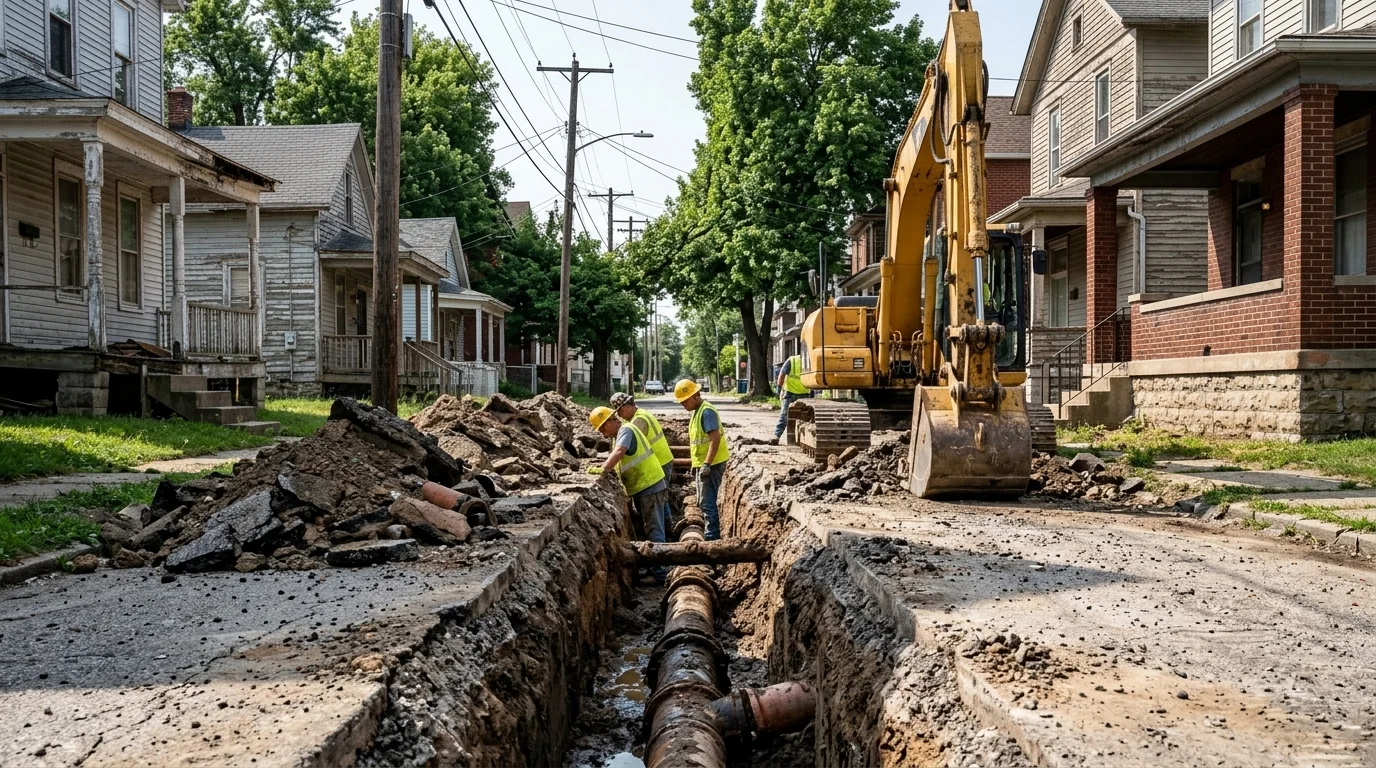
The culverts sit along Federal Highway 10, a short local road system maintained under the Federal Lands Highway program and entirely separate from Alaska's main highway network. They are what engineers call "perched" culverts: their outlets hang above the downstream water level, creating an effective waterfall that salmon and other anadromous fish cannot navigate upstream. The result is that fish are cut off from miles of habitat beyond each barrier.
In most places, that would be a nuisance. In Yakutat, it is something more serious. The borough is home to roughly 600 to 700 people, mostly Tlingit Alaska Natives, and the community is reachable only by air or sea. Wild salmon sit at the center of both the subsistence economy and commercial fishing that sustain the community. The Situk River and surrounding streams draw anglers from across Alaska for their king and sockeye runs. Anything that fragments those runs carries real consequences for real people.
The federal grant operates through the Federal Highways Administration's Aquatic Organism Passage Improvement Initiative, a program targeting culverts on federal road systems that impede fish movement. The project will replace the three perched culverts with structures designed to mimic natural stream conditions, restoring water velocity, streambed material, and channel gradients so fish can move freely again.
Alaska has an estimated 5,000 or more culverts statewide that act as fish passage barriers, a legacy of the post-World War II highway construction era when engineers prioritized moving water cheaply under roads, not protecting what lived in it. The 2021 Bipartisan Infrastructure Law directed significant money toward fixing that backlog, including $1 billion for a NOAA culvert grant program and additional Federal Lands Highway funding for projects exactly like this one.
Yakutat's remoteness makes the work more expensive than it would be elsewhere, so the $260,000 grant carries more weight than the number might suggest. Climate change is already stressing Alaska's salmon through warming stream temperatures and shifting rainfall, making habitat connectivity more critical than ever for population resilience.
The project covers design as well as construction, so engineering work will need to be completed before the culverts can be replaced. No completion timeline has been publicly announced.