On Hawaii's outer islands, having health insurance doesn't solve the problem of living 45 minutes by prop plane from the nearest specialist. Now the state is using a $3.24 million federal grant to build healthcare infrastructure that, in many rural communities, simply doesn't exist yet.
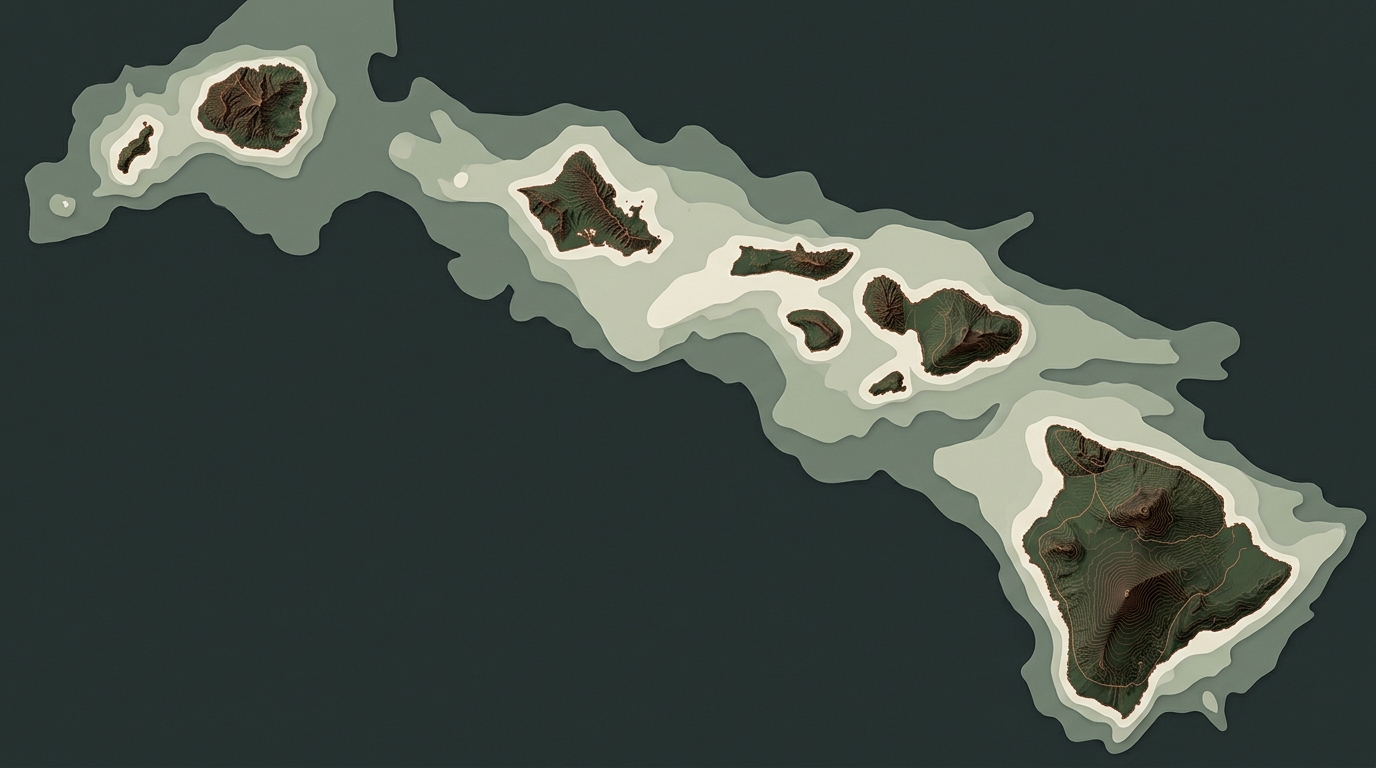
The funding, channeled through the federal Health Resources and Services Administration, will support six initiatives aimed at improving rural healthcare access, quality, and outcomes across Maui, Kauai, Molokai, Lanai, and the Big Island. One of the most urgent pieces is a new Rural Respite Network, administered through the state Department of Human Services, that will provide temporary relief to family caregivers in communities where formal respite care has never been available.
The need is acute. Hawaii has one of the fastest-aging populations in the country, with roughly 18 to 19 percent of residents over 65 and an even higher share in rural areas, where younger people have increasingly migrated to Honolulu or the mainland. The state's strong cultural tradition of family-based elder care has long filled gaps left by an underfunded system, but those families are carrying more weight with fewer resources. The 2023 Lahaina wildfire, which killed more than 100 people and displaced thousands on Maui, pushed an already strained system closer to the edge.
Hawaii has tackled pieces of this problem before. The state's Kupuna Caregivers Program, launched in 2017 as the nation's first state-funded caregiver support initiative, drew national attention but has faced persistent criticism for being underfunded. This grant appears designed to extend that concept deeper into rural communities that the program hasn't fully reached. The state has also pursued telehealth expansion and workforce training investments in recent years, and this grant is framed as a systemic transformation rather than a one-time fix.
Hawaii's geography makes rural healthcare uniquely difficult. About 70 percent of the state's 1.44 million residents live on Oahu, leaving each outer island to function as its own isolated health ecosystem. High costs of living make recruiting and retaining providers a persistent challenge that money alone hasn't solved.
Details on the implementation timeline for the six initiatives and when the Rural Respite Network will begin serving families have not been publicly released.