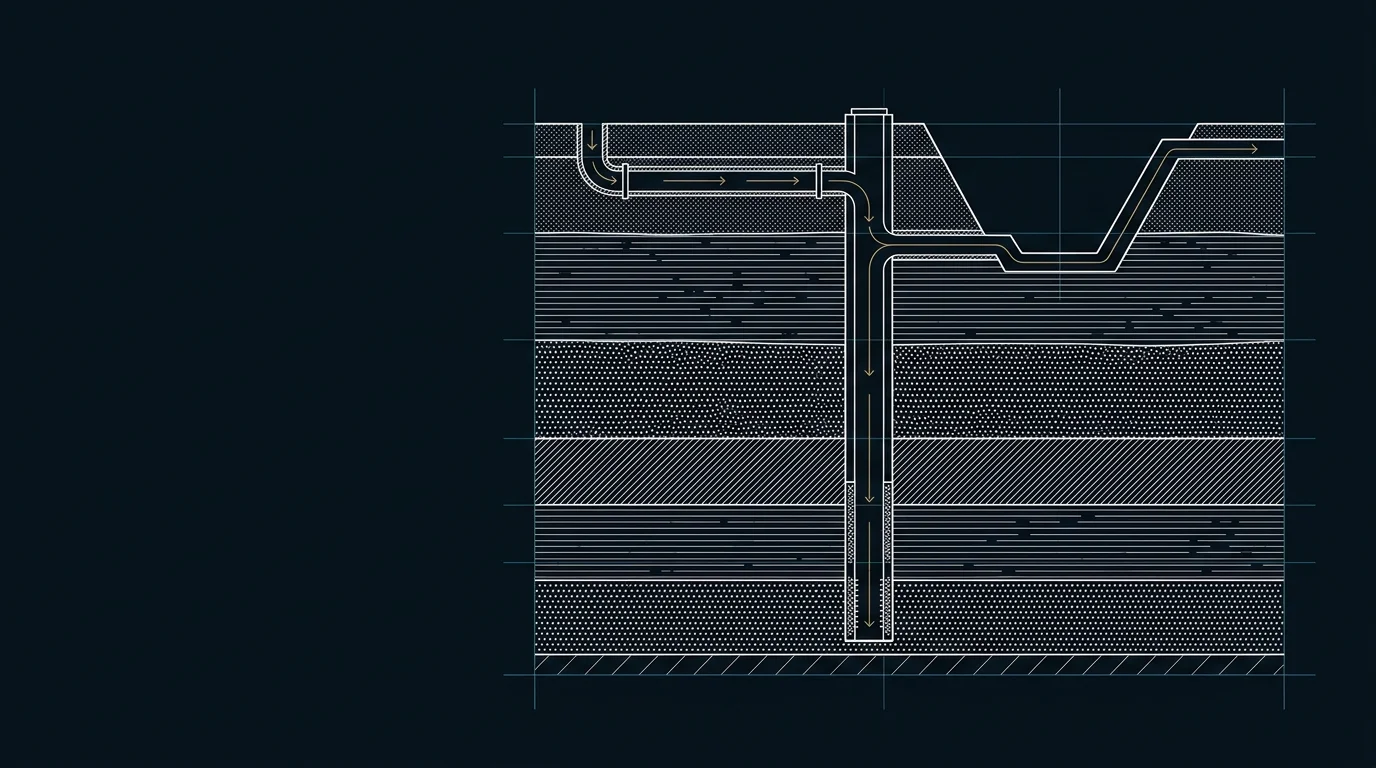
Petersburg, a village of a few hundred residents in southwestern Ontario's Township of Wilmot, is moving ahead with a full replacement of its water system, a project that reflects a quiet infrastructure crisis unfolding in small communities across the province.
Wilmot Township has opened competitive bidding for the Petersburg Water System Replacement, with the tender posted June 3. The record does not specify the project's total cost or construction timeline, but water system replacements in communities of this size in Ontario typically run into the millions of dollars.
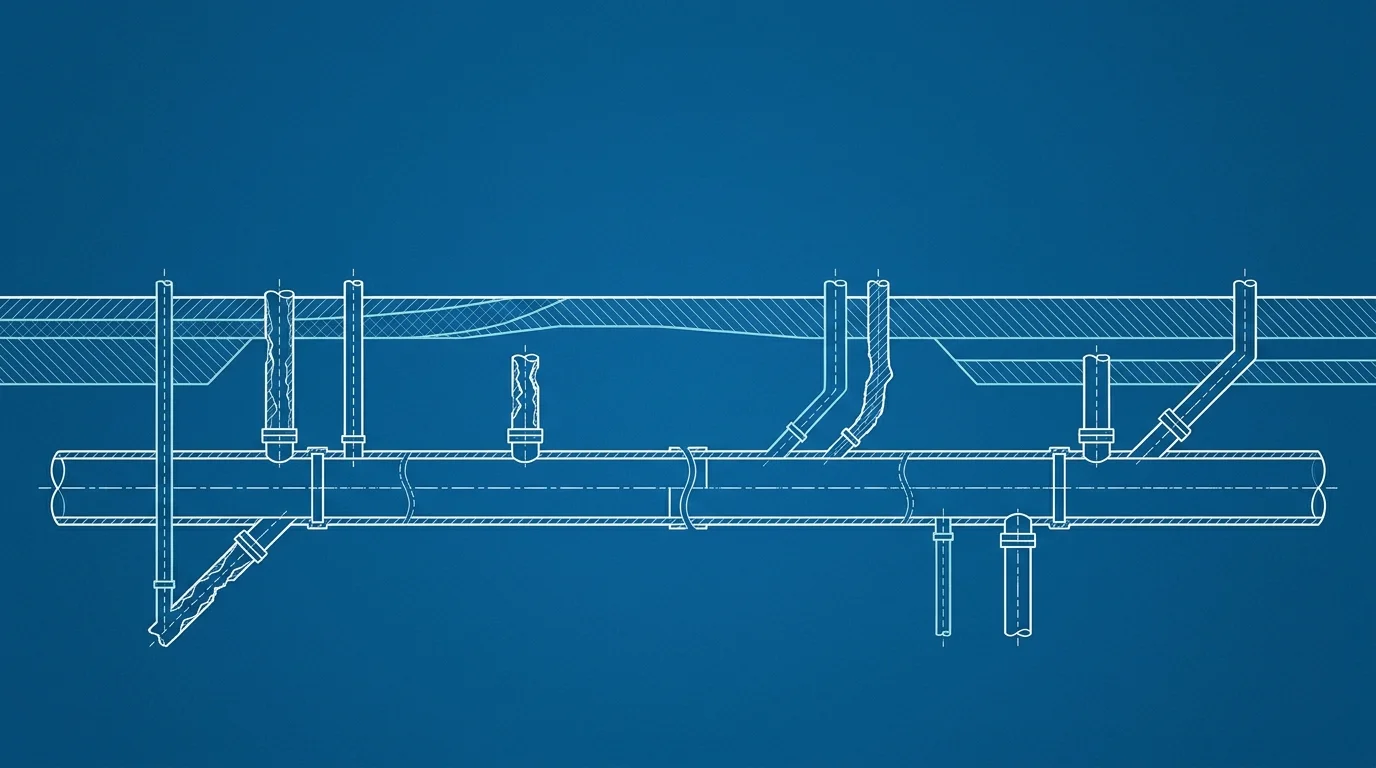
The project is characteristic of a problem facing hundreds of Ontario villages: pipes installed in the mid-20th century, often cast iron or asbestos cement, have now exceeded their useful life of 50 to 75 years. Replacing them is unavoidable, but doing so falls on tax bases that are modest compared to the scale of the work. The Federation of Canadian Municipalities has estimated Canada's total municipal infrastructure deficit at over $175 billion, with water systems among the most urgent components.
Ontario's regulatory environment has made inaction increasingly difficult. The Walkerton water contamination tragedy in 2000, which killed seven people and sickened thousands, led to sweeping provincial legislation and stricter oversight of municipal drinking water systems. Municipalities are now required to maintain detailed asset management plans under provincial regulation, which forces communities to formally reckon with aging infrastructure rather than defer it indefinitely.
Petersburg sits within the Region of Waterloo, a fast-growing area anchored by Kitchener and Waterloo. Even small communities in the region face development pressure, making reliable water infrastructure a prerequisite for future growth.
No dollar figure has been made public, and it is not yet known whether the project is receiving provincial or federal co-funding through programs like Ontario's Community Infrastructure Fund or the Canada Community-Building Fund, which smaller municipalities often rely on for capital projects of this scale. Those details will likely become clearer once a contractor is selected and the project moves toward construction.