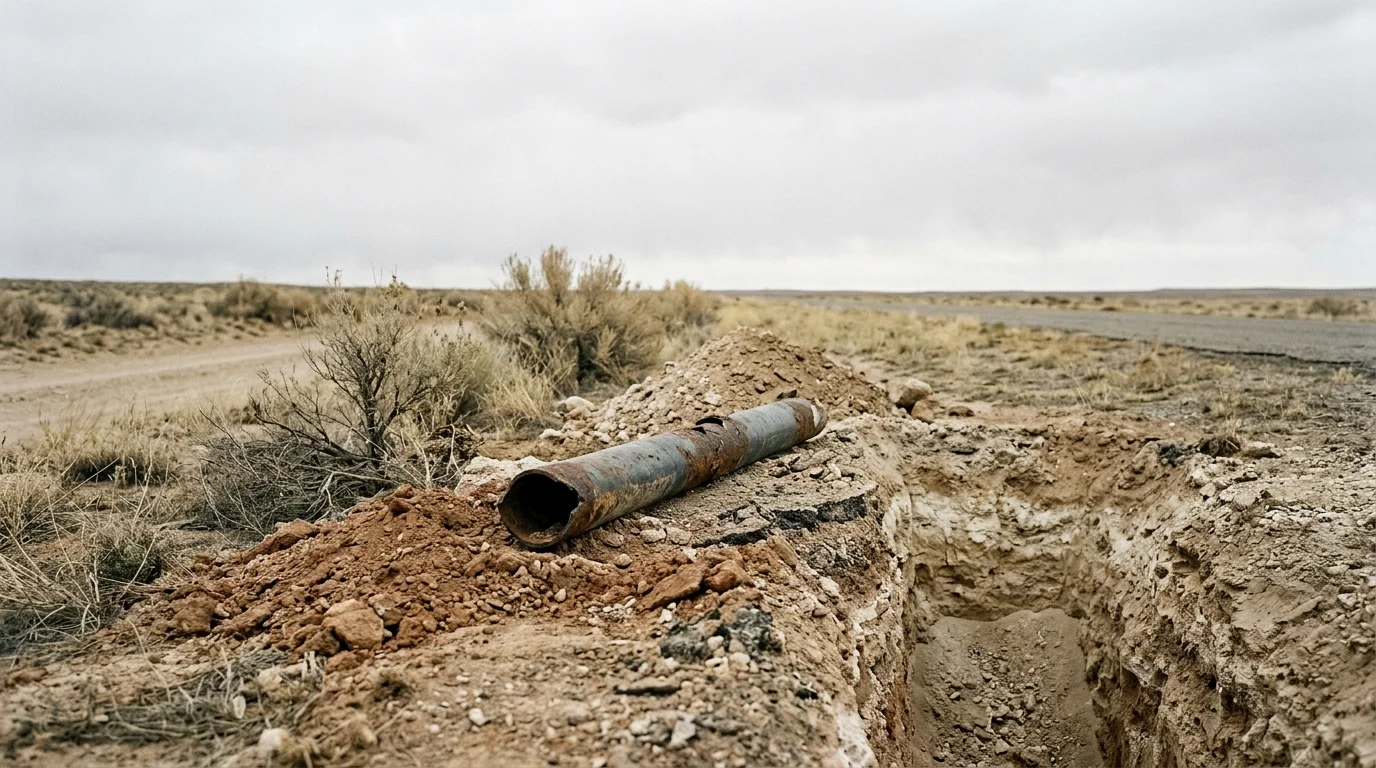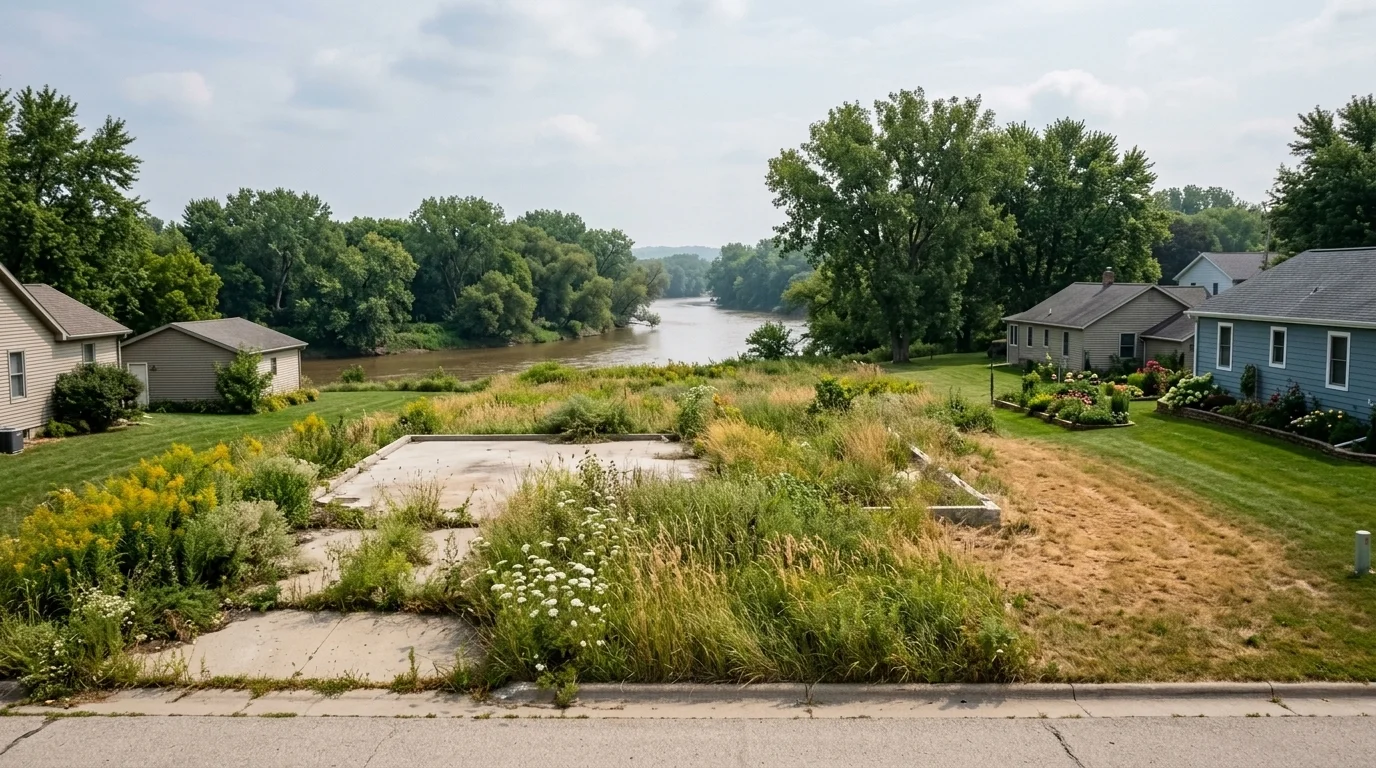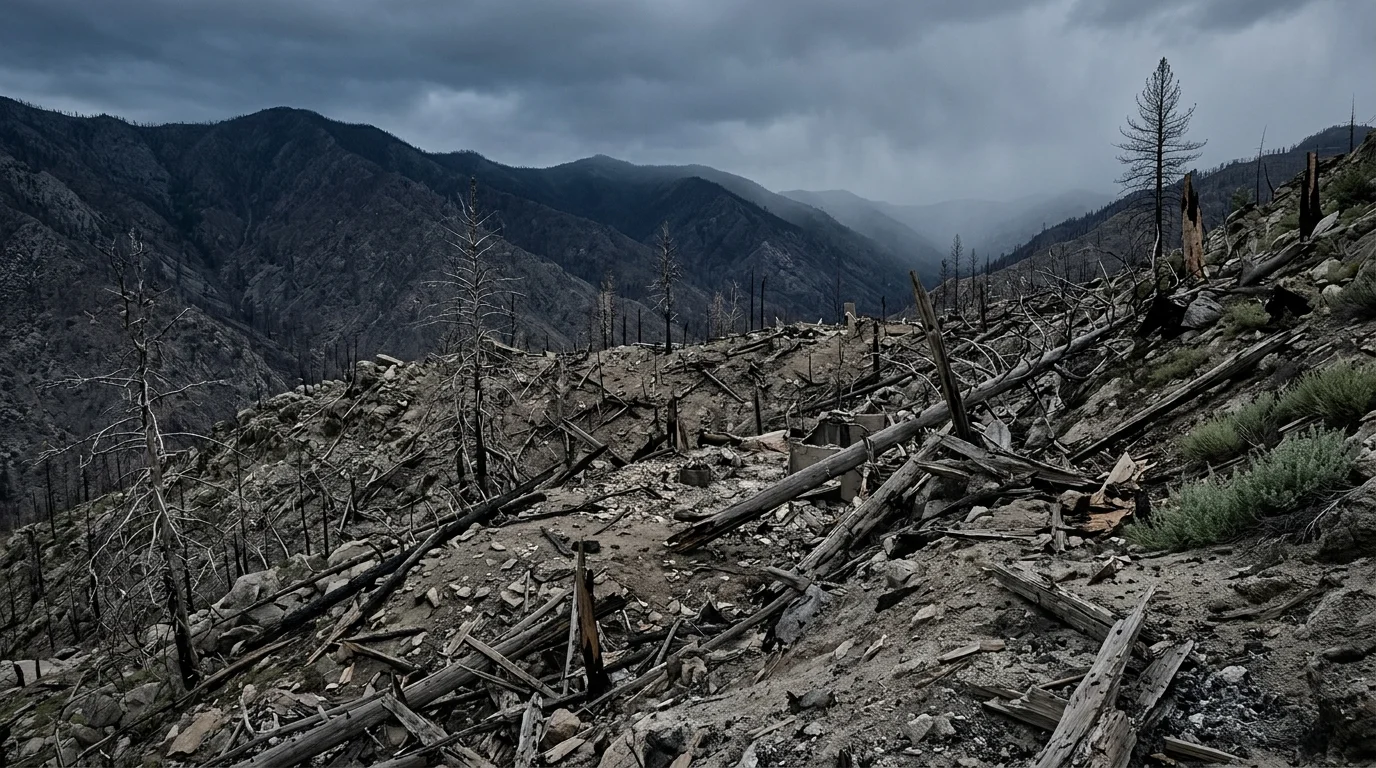
Mono County, California is moving to clean up structural debris and hazardous trees from a disaster that struck the remote eastern Sierra Nevada community nearly two years ago, with the county now seeking contractors capable of handling what could be a toxic and logistically demanding operation.
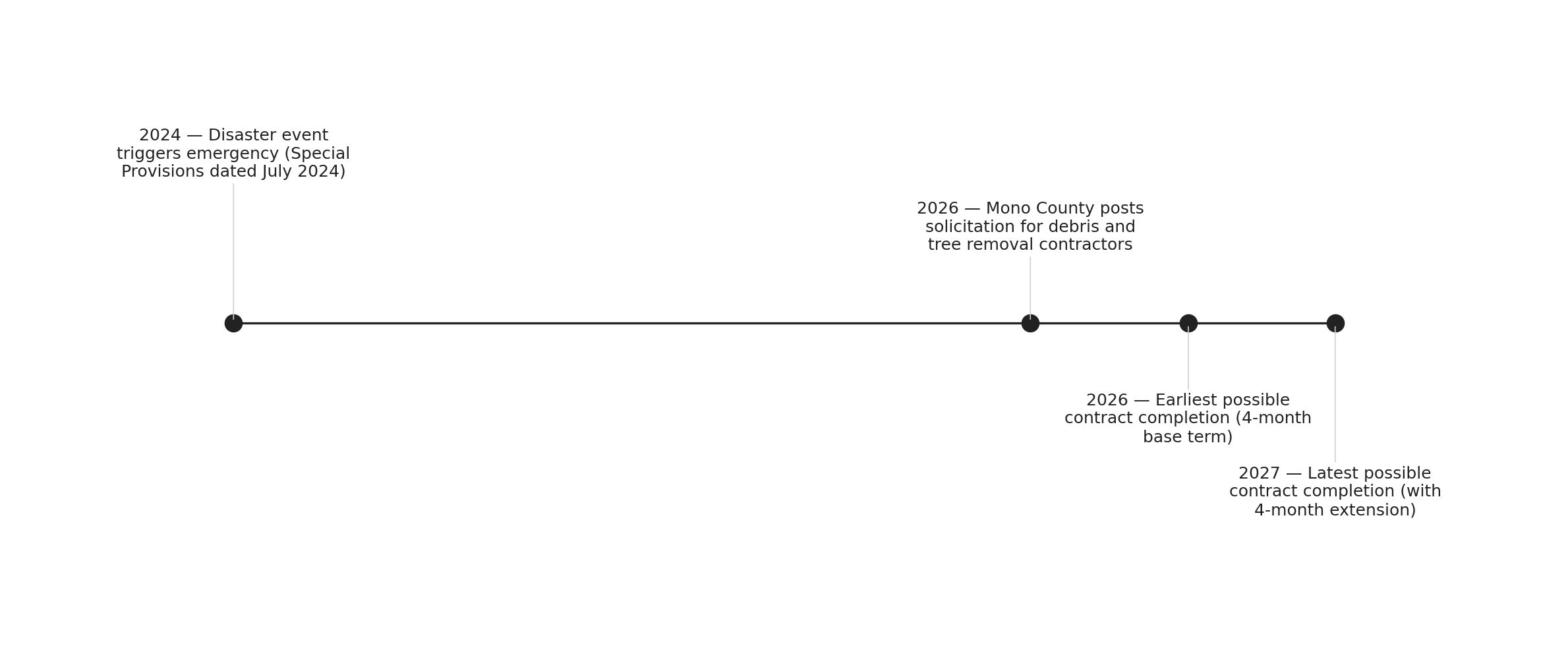
The solicitation posted May 6 references special provisions dated July 2024, pointing to a disaster event from around that time. The nearly two-year gap between the triggering event and the current contracting push is not unusual in rural disaster recovery: counties like Mono typically must wait for federal damage assessments, state emergency proclamations, and FEMA Public Assistance reimbursement commitments before they can commit public dollars to major cleanup contracts.
The stakes for Mono County are real. With roughly 14,000 residents spread across more than 3,100 square miles of mountain terrain, the county has a small government budget and limited local revenue. A large-scale debris removal operation represents a significant fiscal event, and the county's economy, heavily dependent on tourism to destinations like Mammoth Lakes, makes a slow recovery costly in ways that go beyond government balance sheets.
Source: NationGraph.
The cleanup work itself carries health risks beyond fallen trees and rubble. Contractors bidding on the work must hold a California Class A General Engineering license with a Hazardous Substance Removal certification, a requirement that signals the debris likely includes burned structural materials such as asbestos, lead paint, and household chemicals. That certification requirement also narrows the pool of eligible firms, a potential challenge in a county accessible mainly via US-395 and not particularly close to major contractor hubs.
Contracts will run four months, with the option for a four-month extension, meaning cleanup could stretch into early 2027 if the extension is exercised. California's broader post-fire hazard tree crisis, which prompted a state of emergency in 2016 over more than 100 million dead trees statewide, has made this kind of work common across the Sierra Nevada, though the logistics of working in Mono County's high-altitude, remote terrain add complications that lower-elevation cleanups don't face.
It is not yet confirmed which specific 2024 disaster event triggered this procurement. FEMA disaster declarations and Cal OES emergency proclamations for Mono County from summer 2024 would clarify the full scope of the damage. What is clear is that residents and the surrounding landscape have been waiting on this cleanup for a long time, and the contracting clock is now running.