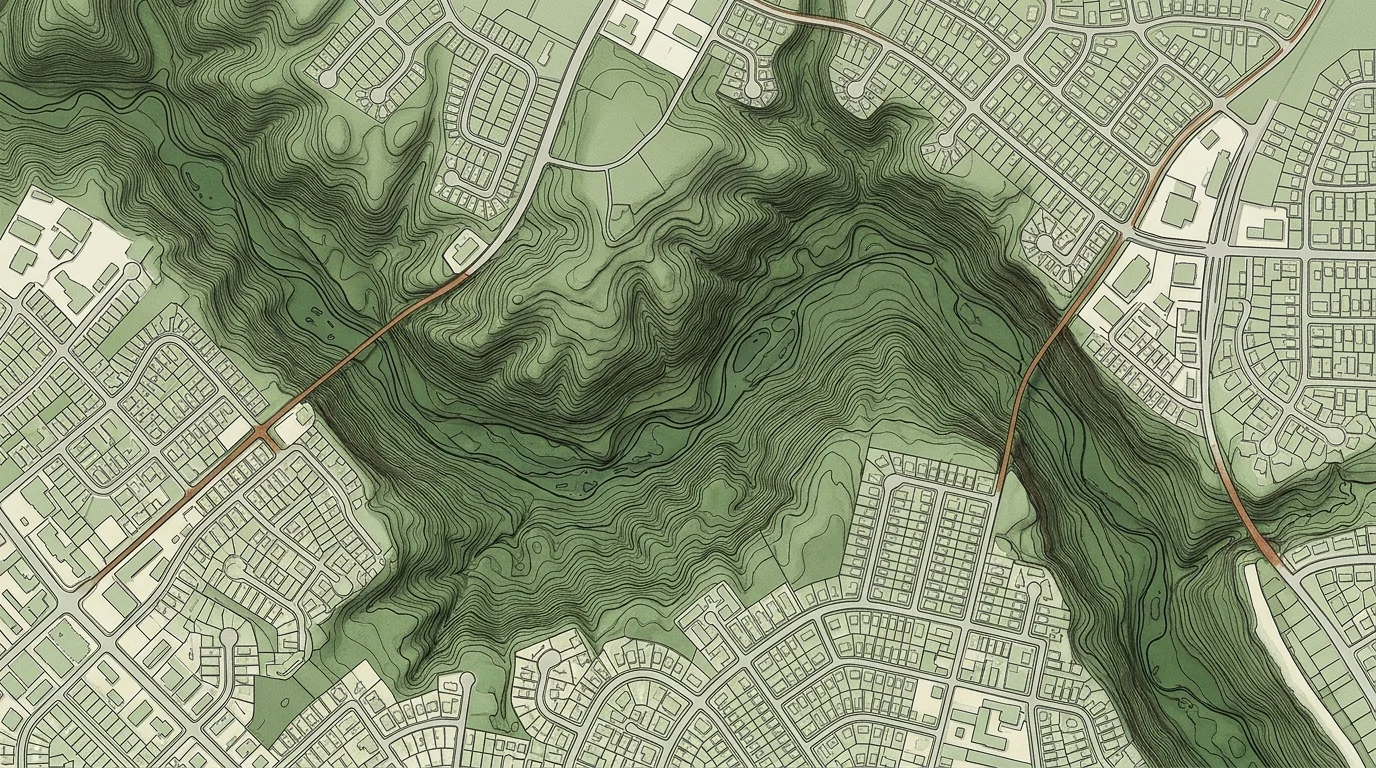
Manatee County, Florida, one of the fastest-growing counties in the country, is moving to secure a key stretch of greenway trail before the surrounding land disappears to development. The county is hiring consultants to conduct an environmental and engineering study for Phase II of the Gateway Greenway Trail, a multi-use corridor designed to connect communities across the rapidly urbanizing county.
The study, known in Florida as a Project Development and Environment review, is a required step before any trail can advance to design and construction. It will map out the trail's alignment, assess wetland and wildlife impacts, identify right-of-way needs, and determine which state and federal funding streams the project qualifies for. Without it, the trail can't move forward. With it, the county can stake its claim to a corridor that development pressures are steadily narrowing.
The stakes are real. Manatee County's population has surged past 400,000 in recent years, drawn by relatively affordable housing, remote work flexibility, and the broader Tampa Bay region's economic pull. Traffic on US-41, I-75, and SR-64 has worsened steadily, and residents have made congestion one of their loudest complaints. Trails like the Gateway Greenway offer a parallel option: a way to move through the county without a car, while also preserving connected green space before it's gone.
Phase I of the Gateway Greenway is already underway, meaning the county has momentum. The environmental study for Phase II is the next decision point, and its findings will shape what the finished trail looks like and where it goes. Florida's SUN Trail program, which dedicates documentary stamp tax revenue specifically to trail construction, and federal infrastructure funding from the 2021 Bipartisan Infrastructure Law both represent potential funding sources once the study is complete.
As Public Sector Wire has reported previously, the county has been steadily advancing this corridor amid competing pressures from development interests and residents seeking more recreational infrastructure. The environmental study now underway will determine how much of that vision can realistically be built.
Consultant selection is in progress. The study's timeline and ultimate cost have not been publicly disclosed, but PD&E studies in Florida typically take one to two years to complete before a project can enter design and construction.