Detroit is moving to make Gratiot Avenue safer for the thousands of residents who walk, bike, and ride the bus along one of the city's most dangerous corridors, backed by a $303,028 federal grant from the U.S. Department of Transportation's Safe Streets and Roads for All program.
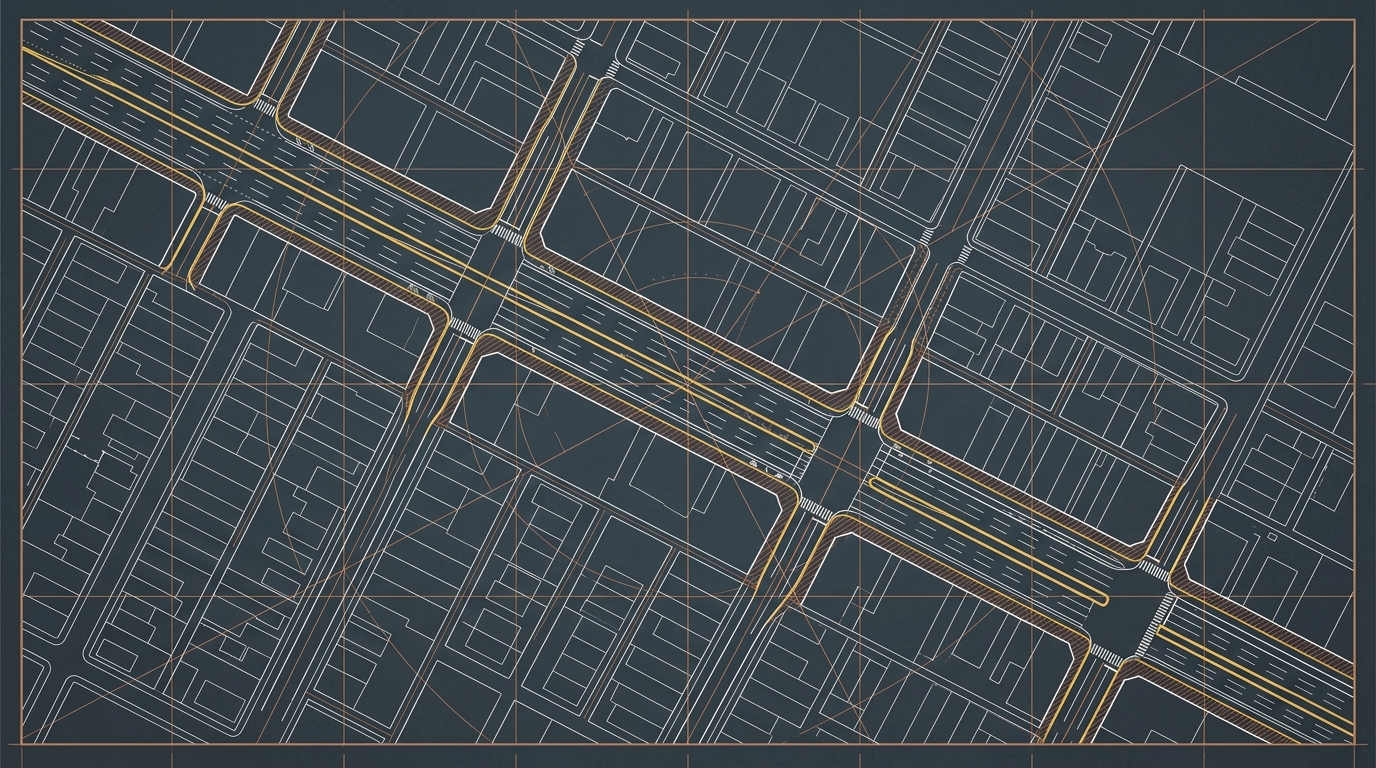
Gratiot Avenue, known officially as M-3, runs diagonally from downtown Detroit northeast through some of the city's most underserved neighborhoods. Built for speed and vehicle volume, it spans multiple lanes with long stretches between crosswalks — the kind of road design that traffic safety researchers call a 'stroad,' a hybrid that moves cars fast while creating deadly conditions for everyone else. Detroit has one of the highest pedestrian fatality rates of any major U.S. city, and Gratiot has long been flagged as a priority corridor.
The mismatch is particularly acute in Detroit, where car ownership rates are lower than in peer cities and roughly 620,000 residents, about 78% of whom are Black, depend heavily on walking and transit. Roads designed for mid-20th-century automobile throughput still dominate the landscape, a direct legacy of the city's identity as the capital of the American auto industry.
Rather than committing immediately to expensive permanent construction, Detroit is taking a pilot approach, using temporary or quick-build interventions such as curb extensions, improved crosswalks, or protected bike lanes that can be tested and evaluated before any major rebuild. That strategy reflects a broader national shift toward 'tactical urbanism,' which lets cities demonstrate safety gains at low cost before making lasting changes.
The city earned this implementation grant by completing a qualifying safety action plan, work funded by an earlier SS4A planning award in 2022. Detroit's 2023 Roadway Safety Action Plan mapped high-injury networks across the city and identified Gratiot as a top priority. Similar federal safety grants have helped communities like an Ohio city redesign State Route 4 and northwest Ohio cities build roundabouts to cut traffic deaths.
Because Gratiot is a state trunkline, Detroit will need to coordinate with the Michigan Department of Transportation on any changes, which can complicate and slow local safety efforts. Federal grants have become especially critical for Detroit given the city's constrained budget following its 2013 bankruptcy, the largest municipal bankruptcy in U.S. history.
The SS4A program, created by the 2021 Bipartisan Infrastructure Law with $5 billion over five years, is the first dedicated federal program for local road safety. It has been heavily oversubscribed, with far more cities applying than the program can fund. How quickly Detroit can move from pilot results to permanent improvements on Gratiot will depend on future funding rounds and state coordination.