Redford Township, Mich., is sending inspectors back into the ground beneath its residential streets, continuing a years-long search for lead and galvanized water pipes that could be exposing the suburb's roughly 48,000 residents to contaminated drinking water.
The township's Department of Public Services has posted a Phase III solicitation for contractors to physically verify the material of service lines connecting water mains to individual homes. The contract value, number of lines to be inspected and expected completion date have not been disclosed; the township had not responded to questions about those figures as of publication.
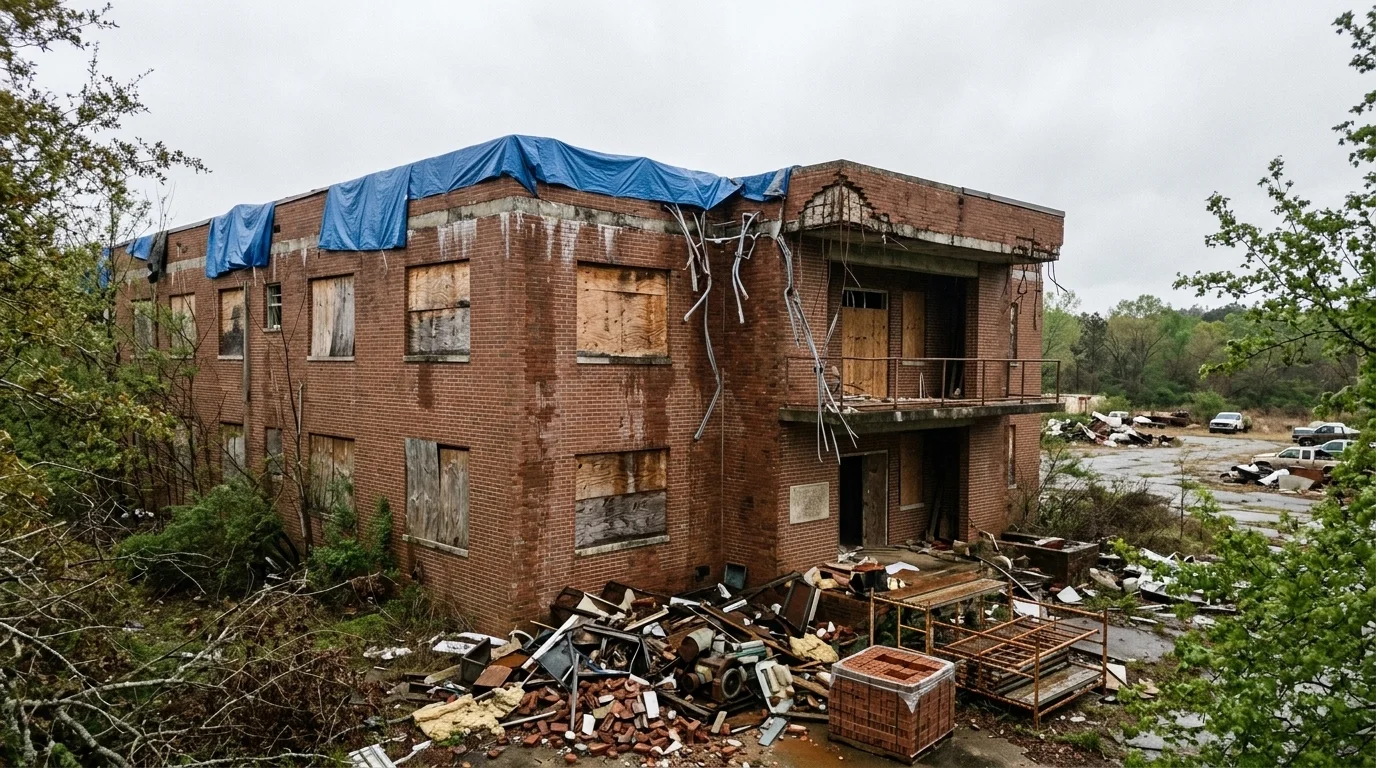
The work is urgent for practical reasons rooted in history. Redford's housing stock is overwhelmingly pre-1960, built during the postwar boom when lead and galvanized steel were the standard materials for residential water pipes. The township purchases treated water wholesale from the Great Lakes Water Authority, meaning the source water is not the problem. The risk sits in the last stretch of pipe between the street main and the kitchen faucet.

Source: NationGraph.
Michigan has been ahead of the rest of the country on this problem since the Flint water crisis of 2014 and 2015. In 2018, the state adopted the strictest lead-in-water rule in the nation, lowering the threshold for required action and mandating full replacement of all lead service lines at utility expense within 20 years. That mandate set off a statewide push to first figure out what pipes are actually in the ground. Redford has been doing that work in phases since roughly 2019 or 2020, starting with records review, then field verification of lines with unknown materials, and now expanding that verification further.
Federal dollars have accelerated the effort. The 2021 Bipartisan Infrastructure Law directed $15 billion specifically toward lead service line replacement nationwide. Michigan, which has an estimated 460,000 or more lead lines, received one of the largest state allocations, channeled through the state's Drinking Water State Revolving Fund. Redford, a majority-Black, working-class community in Wayne County, also qualifies under the federal Justice40 Initiative, which is designed to prioritize infrastructure funding for disadvantaged communities.
Under EPA rules finalized in October 2024, all lead and galvanized service lines nationwide must be replaced by 2037. For Redford, Phase III of its investigation is a necessary step before any replacement work can begin: the township has to know what it has before it can fix it.