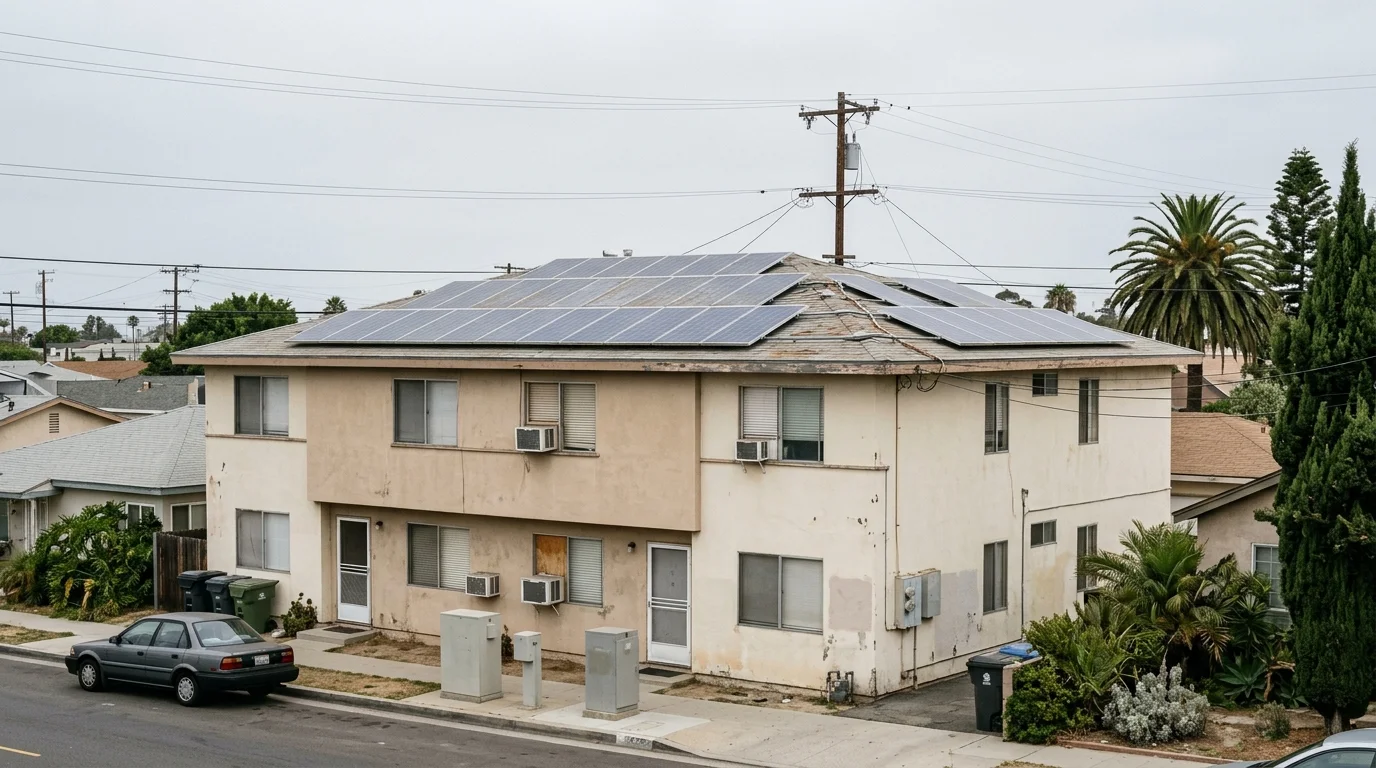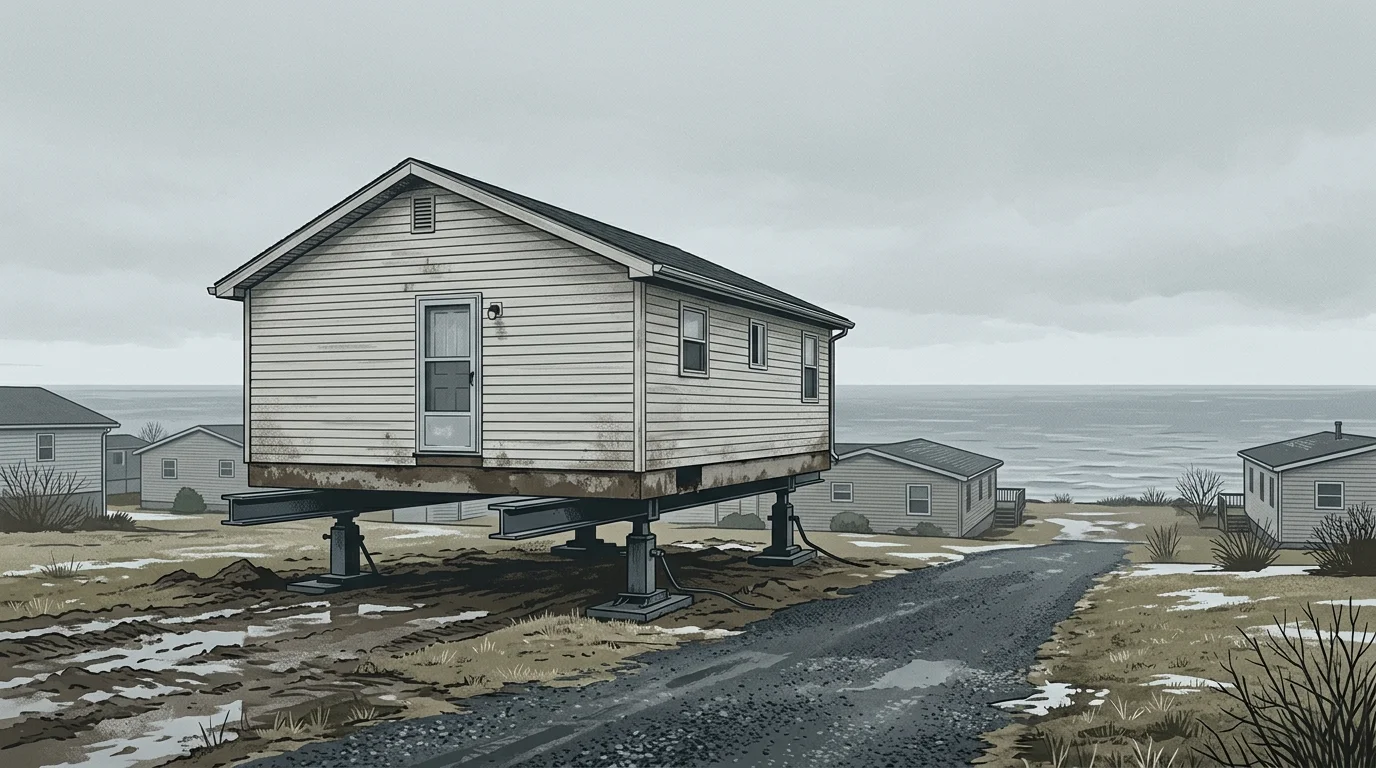
Port Clinton, Ohio is moving forward with a plan to physically raise flood-prone homes above the waterline, a response to the kind of lake-level swings that battered this small Lake Erie community in recent years.
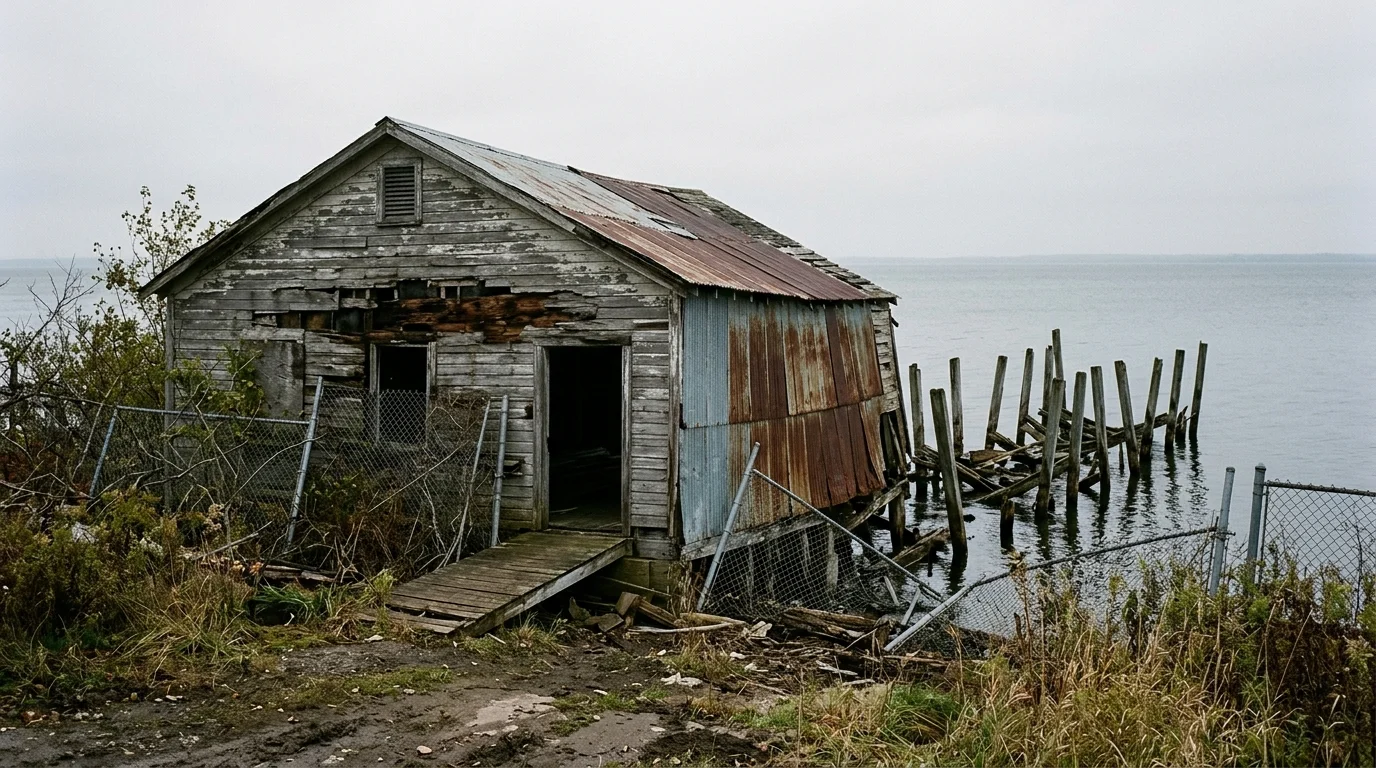
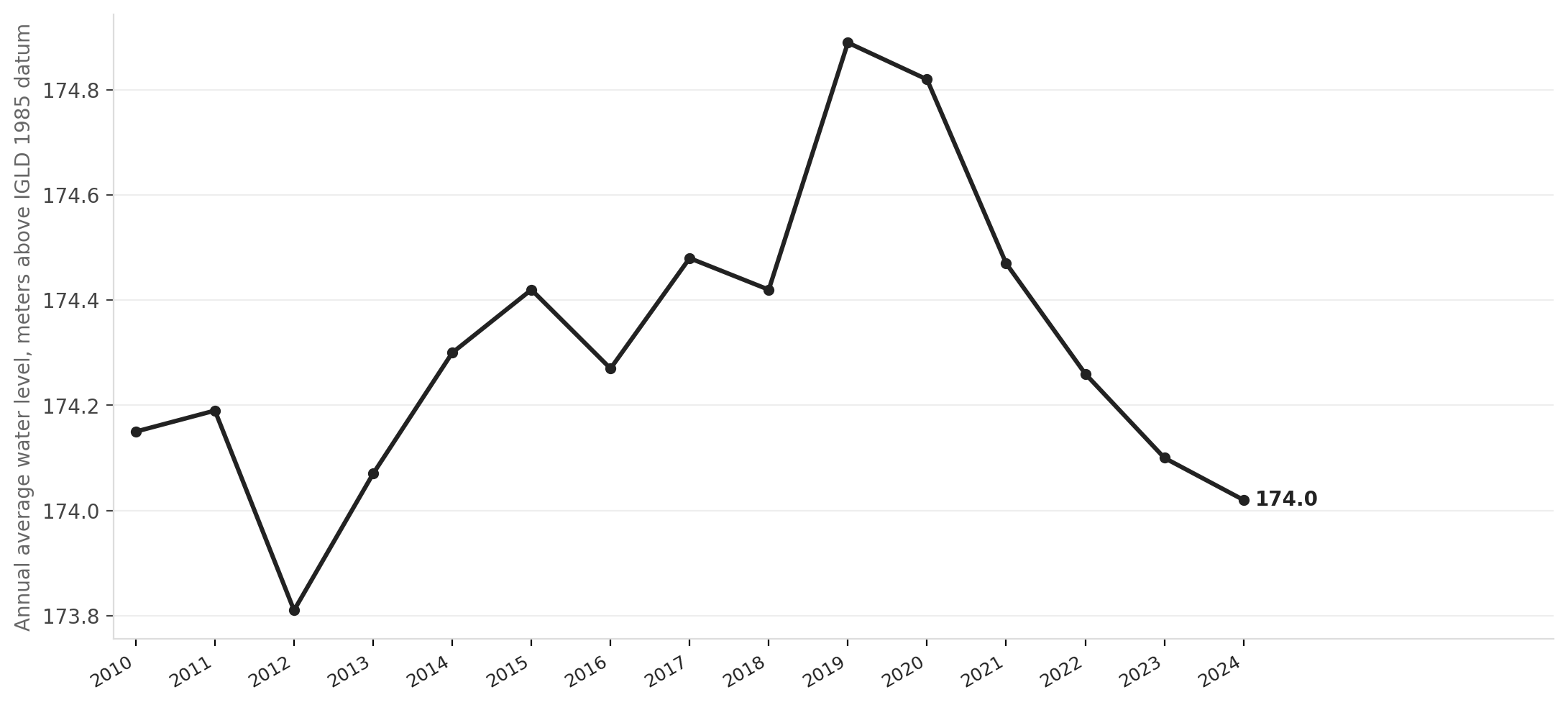
Lake Erie hit record highs in 2019 and 2020, inundating low-lying properties across Ottawa County and exposing how many homes along the southern shore were built during calmer, lower-water eras. In Port Clinton, a city of about 5,700 people whose economy runs on fishing, boating, and tourism, that flooding wasn't just a property problem. It threatened the shoreline character that draws visitors and supports livelihoods.
Home elevation is one of FEMA's preferred permanent solutions for exactly this situation: rather than repeatedly repairing flood-damaged structures, the homes are lifted above the base flood elevation so future high water passes underneath. It's expensive work, often running $100,000 to $300,000 per home, but it's designed to break the cycle of repetitive flood losses that drain both homeowners and the National Flood Insurance Program.
Source: NationGraph.
Ottawa County is administering the project on behalf of participating homeowners, a common arrangement in Ohio where counties manage federal mitigation grants flowing from FEMA's Hazard Mitigation Grant Program or its Flood Mitigation Assistance program. Those programs typically cover 75 percent of costs, with the remaining share split between state and local sources. The county has posted a construction bid solicitation to find contractors for the work.
The specifics, including how many homes are involved and the total project budget, aren't disclosed in the public bid notice. Full details are available in the bid documents.
For a county with a modest tax base but substantial shoreline exposure, federal mitigation dollars are critical. Ottawa County's property values and economic activity are heavily concentrated near the water, on the Marblehead Peninsula, around Catawba Island, and on the Lake Erie islands reached through Port Clinton. That concentration raises both the stakes of inaction and the cost of protection.
FEMA's updated insurance pricing system, Risk Rating 2.0, has also pushed flood insurance premiums sharply higher for many lakeshore properties since 2021, adding financial pressure on homeowners to pursue permanent fixes rather than absorb rising annual costs.
The contractor selection process is now underway, and construction timelines will depend on how many homes are included in the final scope.