Illinois municipalities issued 203 housing-related RFPs in the last 30 days, more than double the 12-month monthly average of roughly 90, and the timing is not a coincidence. The spring legislative session closes May 31, 2026, and with it the last realistic window for local governments to complete housing needs assessments, rehabilitation programs, and planning documents before Governor JB Pritzker's BUILD initiative could rewrite the rules from Springfield.
The driver is HB 5626, filed February 18, 2026, and its companion Senate Bills 4060 through 4064. Together they represent what legal analysts have called the most aggressive preemption of local zoning authority in Illinois since the 1970 Constitution established home rule. The BUILD plan would require municipalities to allow duplexes through 8-plexes by right on any residentially zoned lot, eliminate minimum parking requirements near transit, and cap permit review timelines. If passed, the law takes effect January 1, 2027.
A note on the RFP count: roughly 182 of the 203 procurements trace to Rock Island County, where Moline and Rock Island city appear to have reingested a large batch of housing rehabilitation bids originally dated 2019 and 2020. Strip that archival artifact out, and the genuine new procurement activity is still geographically broad: Normal, Libertyville, Lake in the Hills, Springfield, Lisle, and Naperville have all posted housing work in the current window. That distribution matters. The policy pressure from Springfield is moving downstate municipalities as well as Chicago-area suburbs.
The funding side reinforces the urgency. Pritzker's BUILD package includes $250 million in capital: $100 million through the Illinois Housing Development Authority for middle-housing gap financing and $50 million for down-payment assistance, administered jointly by IHDA and the Department of Commerce and Economic Opportunity. On top of that, $268 million in new federal housing grants have been newly started in Illinois in the current 90-day window across 212 grants, sitting alongside a $2.44 billion active HUD portfolio in the state. Municipalities that finish their housing needs assessments now are better positioned to access both pools.
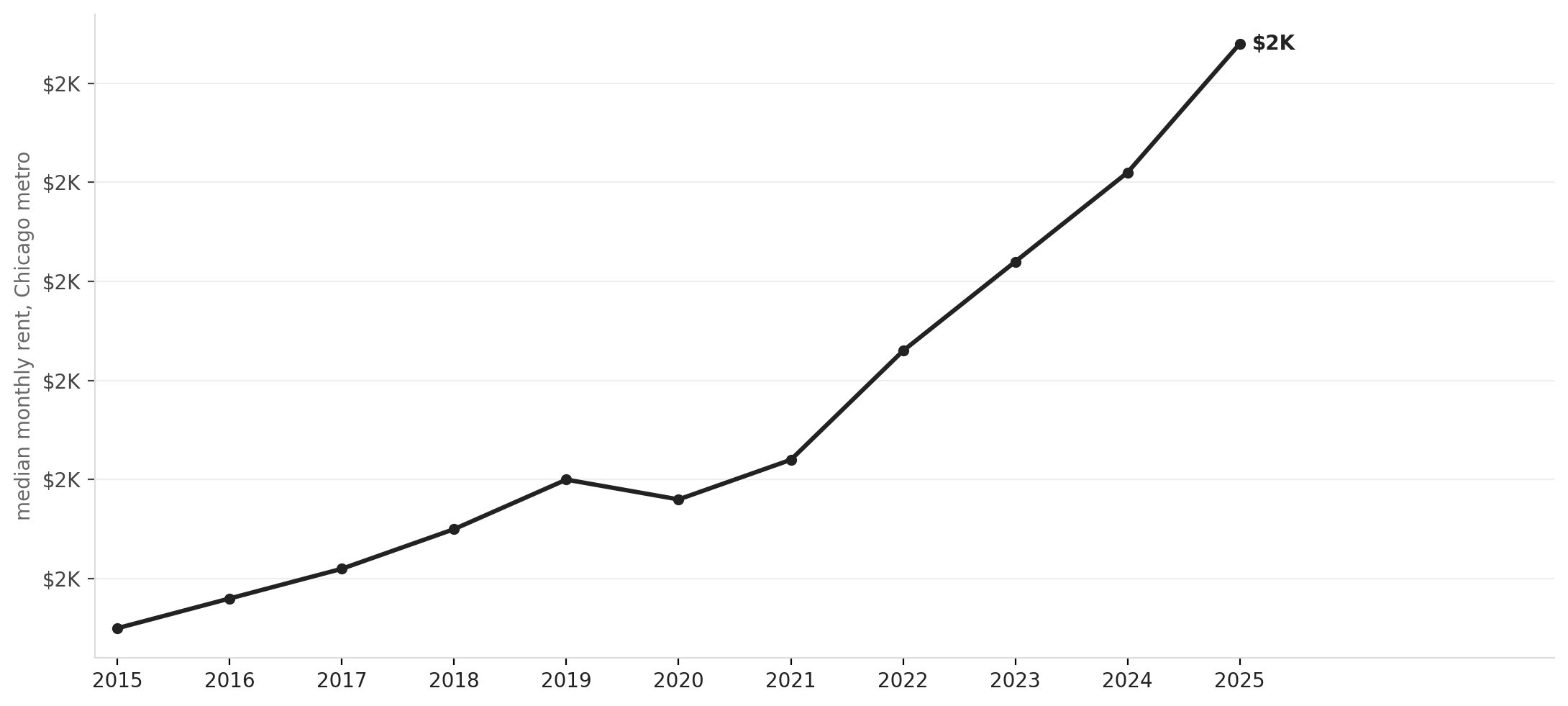
The underlying shortage gives the legislation its momentum. A University of Illinois study cited by the Governor's office found Illinois short 142,000 homes today, with 227,000 new units needed by 2030. Chicago rents rose 6.5% year-over-year by early 2026, tied for second-highest among major U.S. cities, while new residential construction in the city hit a decade low of 1,395 units. Even Chicago's own expanded ADU ordinance, which passed the City Council 46-0 and took effect April 1, 2026, still gives individual aldermen ward-by-ward discretion over participation. That kind of local gatekeeping is precisely what BUILD would preempt statewide.
Local governments are not quietly accepting the terms. The Illinois Municipal League unveiled its rival REAL Housing Act on May 6, 2026, a voluntary incentive-based framework that would preserve local zoning control while offering state funding to municipalities that choose to upzone. The Senate Executive Committee held a subject-matter hearing on BUILD on April 24 but has scheduled no floor vote. Whether that signals caution about passage or simply reflects the compressed calendar is not yet clear.
For residents, the immediate consequence of the procurement surge is practical: cities posting housing rehabilitation and planning RFPs right now are locking in project scopes and contractor relationships under existing regulatory frameworks. If BUILD passes and takes effect in 2027, those local plans become the baseline from which preemption operates. Municipalities that have documented their housing stock and adopted local rehabilitation programs will have more standing to argue for compliance flexibility than those that have not.
For businesses, the $250 million IHDA capital package is the number to watch. Middle-housing gap financing is intended to make 3- to 8-unit residential projects financially viable in markets where land costs and construction expenses have made them pencil out only at the luxury end. Developers who have been waiting on the sidelines in mid-sized Illinois cities now have a clearer funding path, contingent on the bill passing.
The May 31 session deadline is the next hard signal. If BUILD clears the Senate Executive Committee and reaches a floor vote before adjournment, the January 2027 effective date becomes real and the procurement activity in Normal, Naperville, and Springfield looks prescient. If the bill stalls, as the REAL Housing Act's introduction suggests is possible, municipalities will have spent real dollars on planning work that ultimately operates under rules they already control. Either way, the RFP surge shows that Illinois cities have read the deadline and are moving.