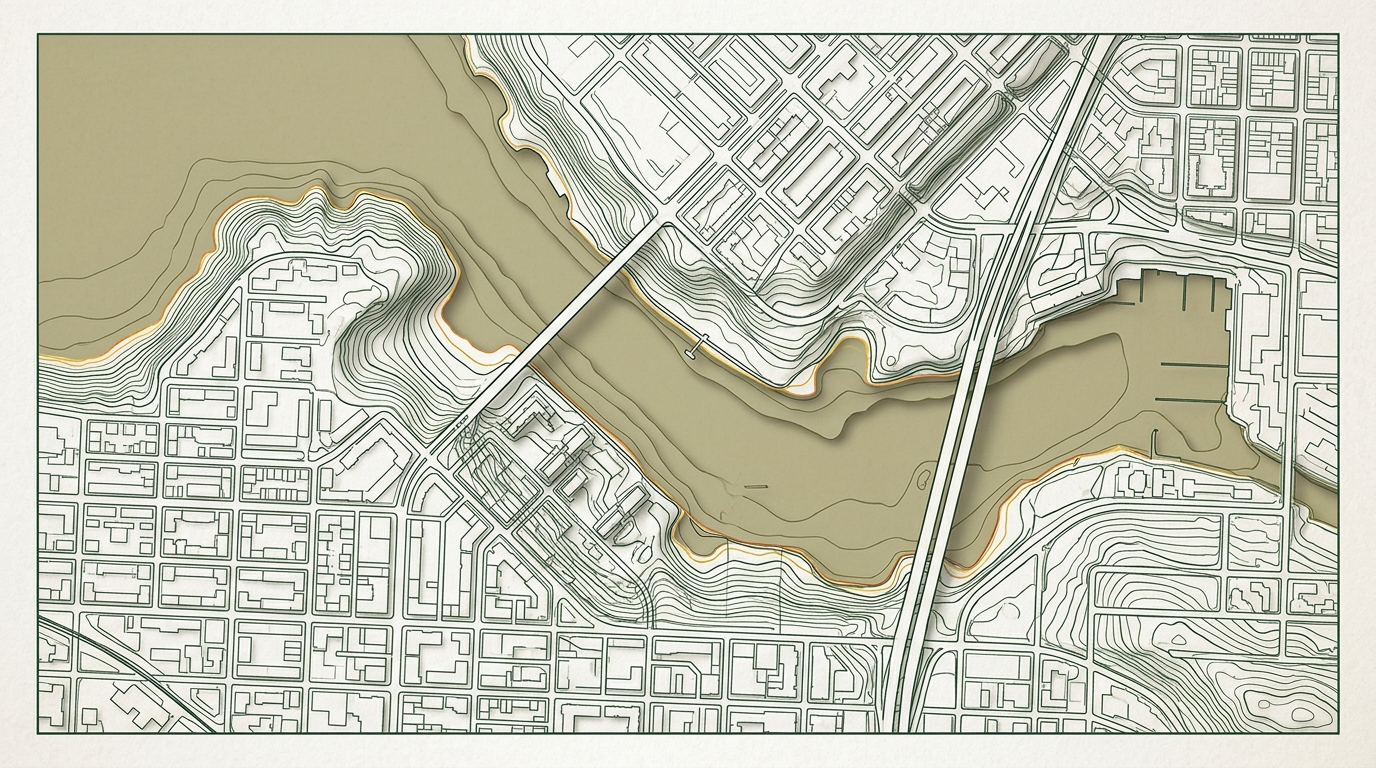
Richmond, Virginia is moving forward with plans to transform one of its most car-hostile corridors, using $1.2 million in federal highway funds to design protected bike lanes and dedicated transit lanes along Commerce Road and the 9th Street Manchester Bridge, the crossing that links the rapidly growing Manchester neighborhood to downtown.
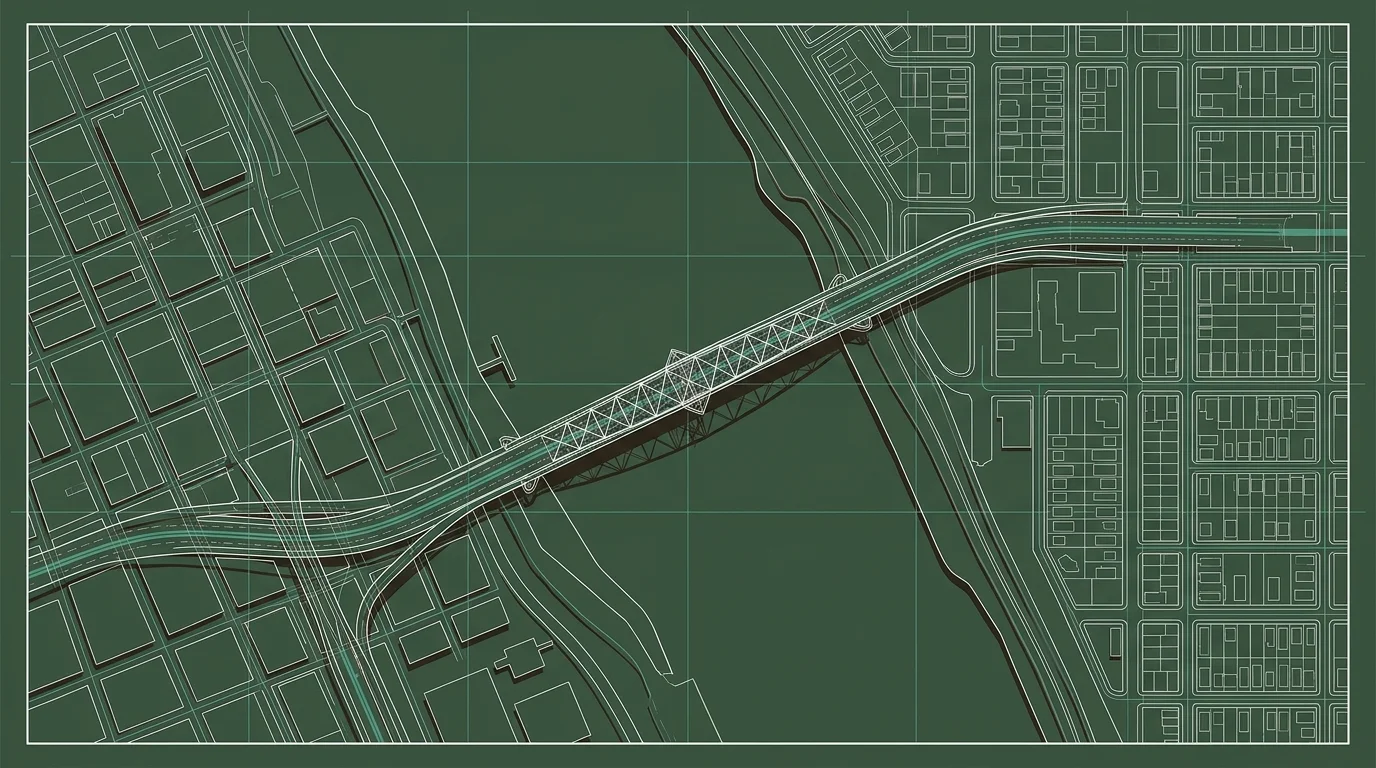
The federal grant covers preliminary engineering on a 0.9-mile stretch between Perry Street and Byrd Street, where planners envision a 14-foot shared-use path running through a widened median. Dedicated bus-only lanes would run along 9th and 8th Streets through several blocks north of the river. The work also includes new crosswalks and pedestrian and bicycle access improvements along the corridor, which has been identified as a high-crash zone.
The segment is a critical link in the Fall Line Trail, a 43-mile regional trail system planned to connect Ashland in Hanover County to Petersburg through the Richmond metro area. When complete, it would be one of the longest continuous urban trail networks on the East Coast. The trail has been in development since at least 2019, with backing from Sports Backers, Bike Walk RVA, and the Richmond Regional Transportation Planning Organization.
The funding source is notable. The National Highway Performance Program has historically paid for car-centric highway work, but the 2021 Bipartisan Infrastructure Law broadened what qualifies, allowing multimodal projects like this one to compete for dollars that once flowed almost exclusively to asphalt and concrete. That policy shift is a large part of why this project exists at all.
The transit component could matter as much as the trail. Richmond's GRTC Pulse bus rapid transit line along Broad Street, launched in 2018, exceeded ridership expectations and spurred significant development. Dedicated transit lanes on 9th and 8th Streets would extend that kind of infrastructure into the Southside corridor, where roughly a quarter of Richmond residents live below the poverty line and many depend on buses to reach jobs downtown.
Manchester has changed fast. A largely industrial neighborhood a decade ago, it has seen explosive residential construction since around 2015, intensifying demand for ways to get across the river without a car. The 9th Street bridge is one of only a handful of James River crossings in central Richmond, and on foot or by bike, it has long been an unpleasant and dangerous option.
This grant covers design only. Construction funding, which will likely run into the tens of millions of dollars, would require a separate future allocation. How quickly Richmond can secure that money, and whether the full 43-mile trail can be built without repeating the displacement that accompanied the city's mid-20th century highway projects, remains an open question as the engineering work gets underway.