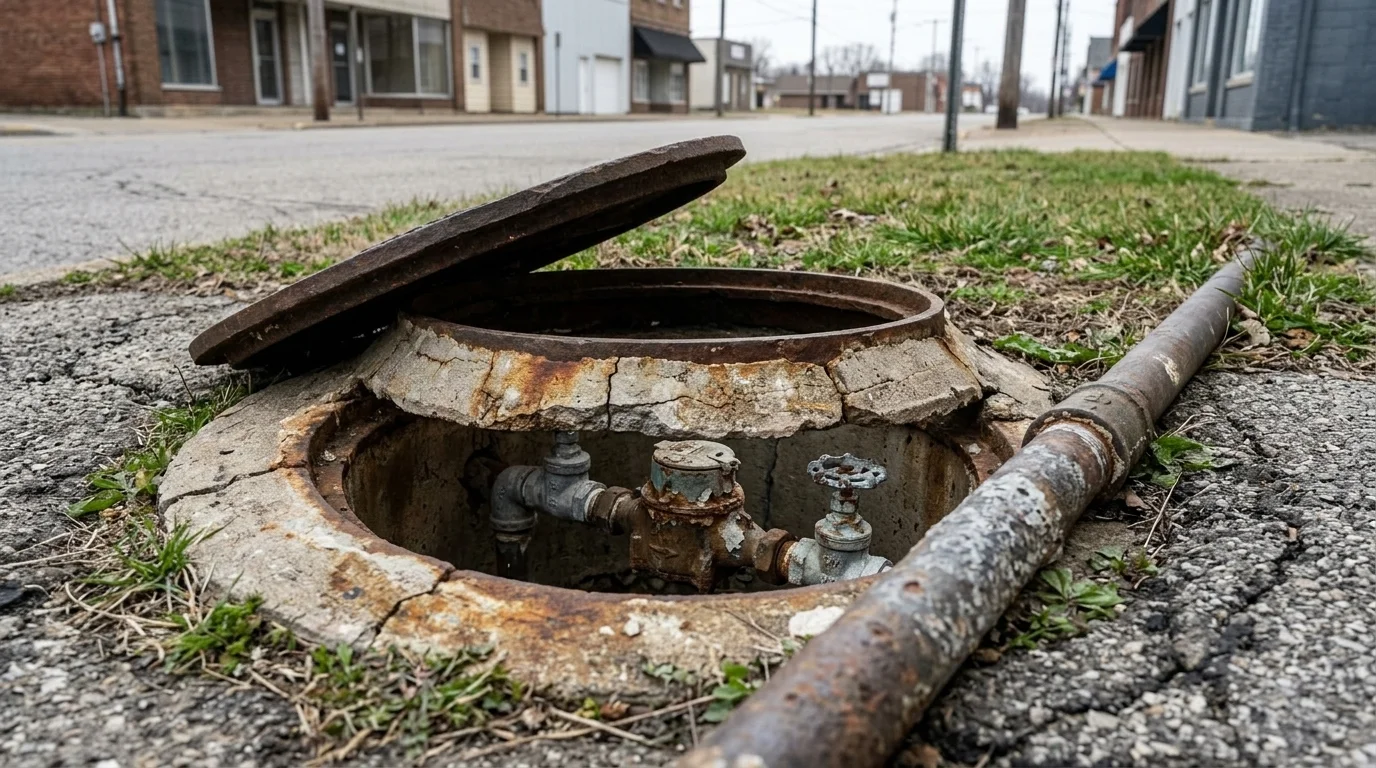
Beneath the streets of Montclair, California, water pipes installed during the postwar suburban boom of the 1950s and 1960s are corroding, leaking, and straining the crews that respond when they fail. Now, nearly $960,000 in federal money is flowing to the community to start digging them out.
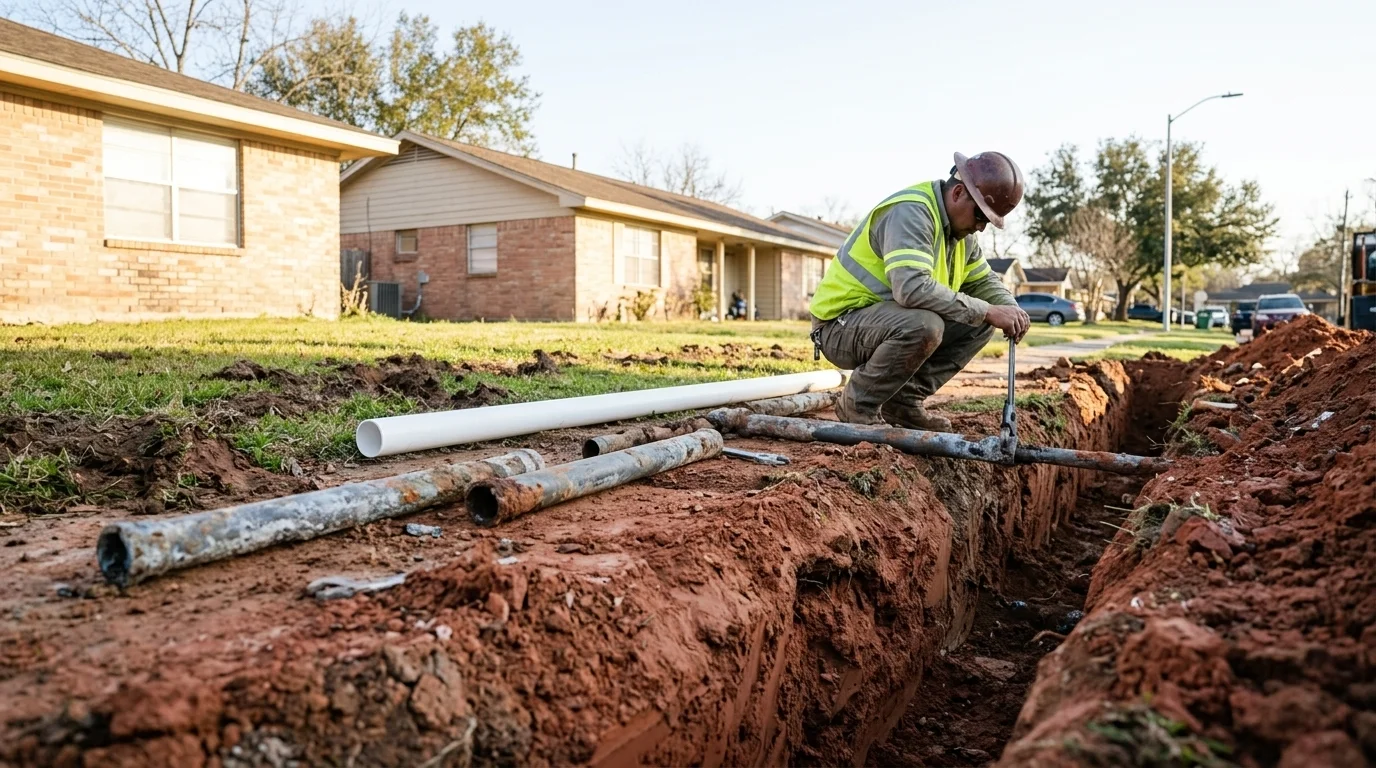
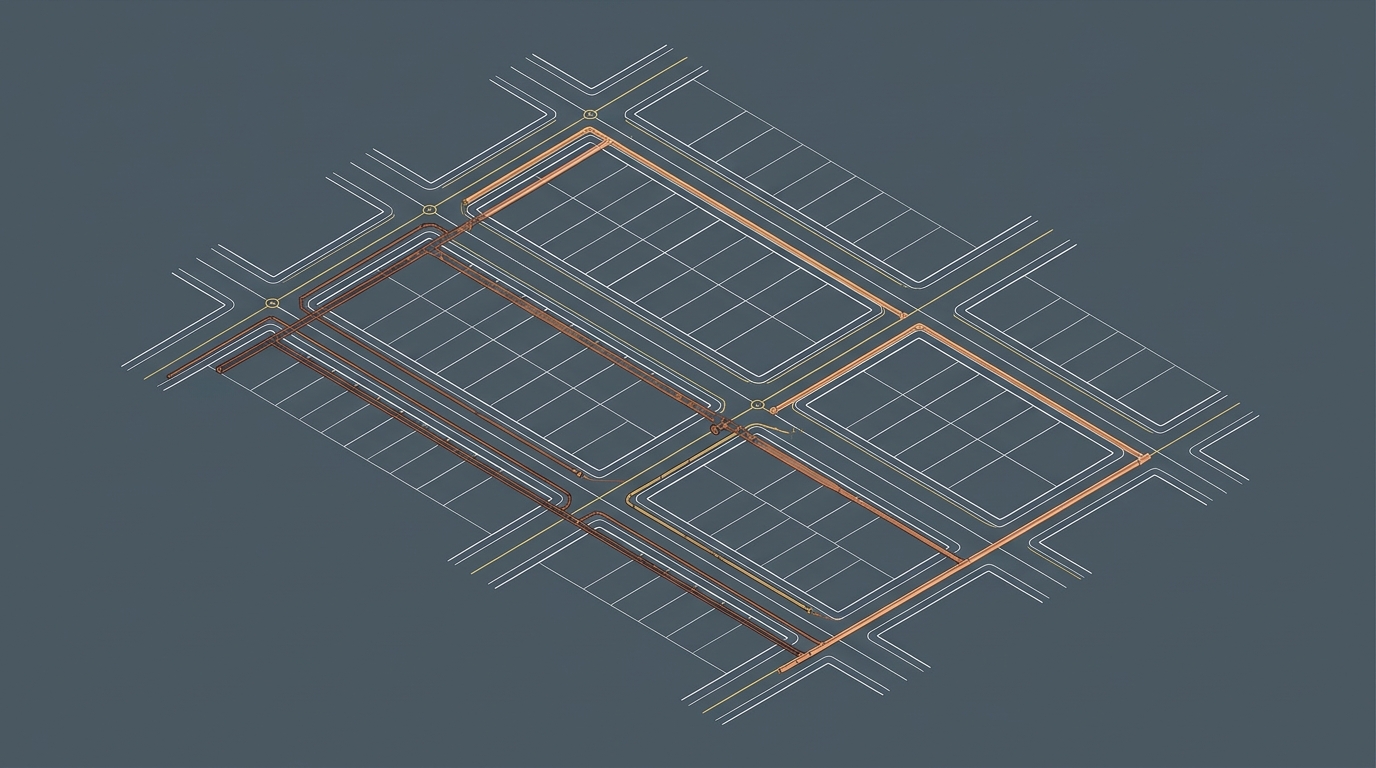
Monte Vista Water District, which serves roughly 110,000 customers across Montclair and surrounding parts of San Bernardino County, has received a $959,757 EPA grant to replace about 2.3 miles of deteriorated steel mains with PVC pipe rated for a service life of more than 100 years. The work also includes new hydrants, gate valves, and service laterals connecting homes to the main line.
The pipes being replaced were built for a 50-to-75-year service life. Many are now pushing 70 years old, and the maintenance demands have grown. The district estimates the project will improve fire flow capacity and reduce the emergency repair calls that consume staff time and wear down a system that can't easily absorb those costs.
Montclair is a working-class, predominantly Latino city of about 40,000 people with a median household income well below California's statewide average. The district successfully argued for a full federal funding waiver, meaning no local cost share is required. The EPA approved that waiver in August 2025, a recognition that the community faces real financial constraints in keeping up with aging infrastructure.
The money comes through a congressionally directed spending item, commonly called an earmark, included in the FY2024 Consolidated Appropriations Act. Earmarks were banned for nearly a decade following corruption scandals before Congress revived them under new transparency rules starting in 2022. For small and mid-size water districts that struggle to compete for larger federal programs, the revival has become a significant source of funding. Similar grants have helped other communities address infrastructure gaps they couldn't close on their own, as seen in Logan, West Virginia, which received $500,000 to design a backup water supply it otherwise couldn't afford.
This is the second phase of MVWD's State Street Pipeline Replacement Project, meaning the district has been working through a systematic overhaul rather than patching problems as they surface. The American Society of Civil Engineers estimates the U.S. faces a $625 billion investment gap in water infrastructure over the next 20 years, with an estimated 240,000 water main breaks occurring nationally each year.
Construction will move forward once the district completes contractor selection. Progress will be reported to the EPA quarterly.