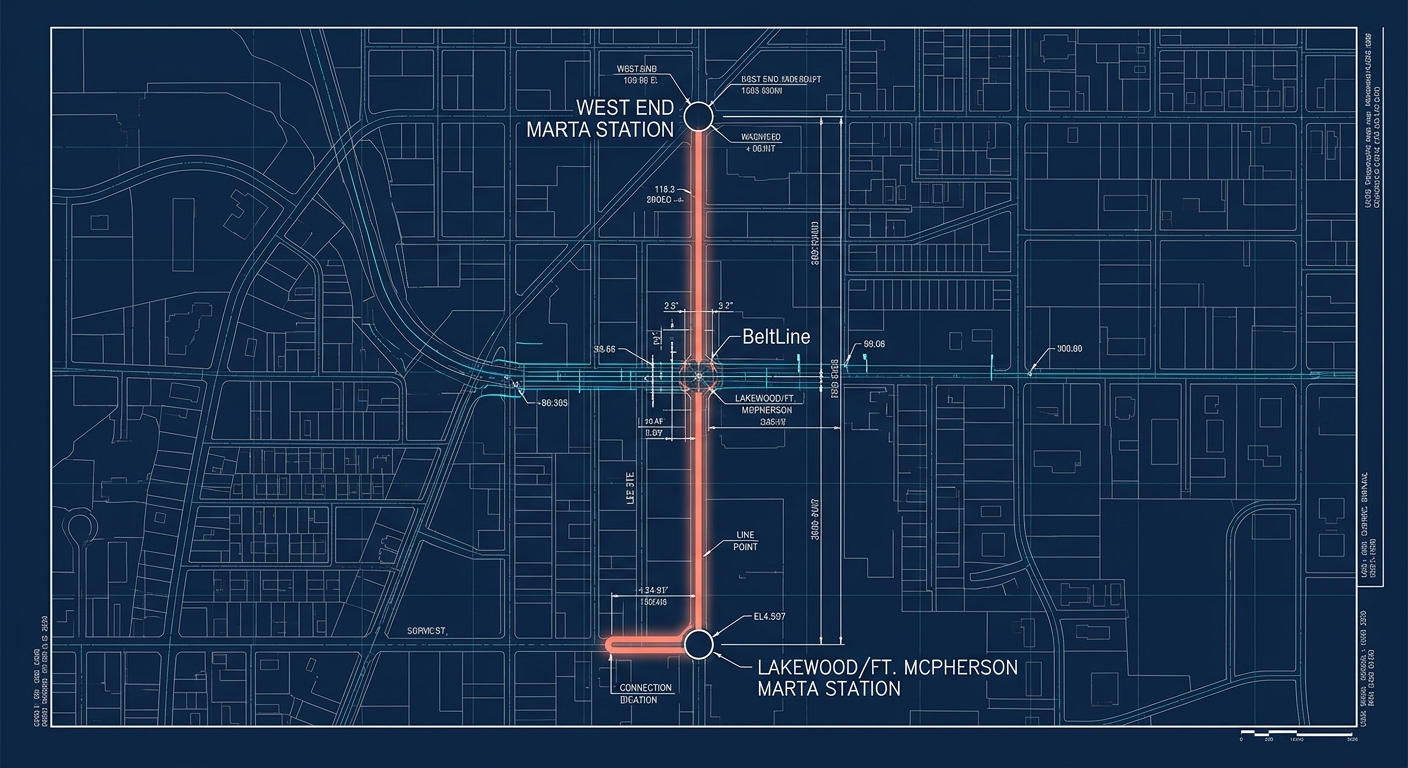
Southwest Atlanta is getting a protected trail along one of its most dangerous stretches of road, with $6.5 million in federal funding flowing to a project that will build a dedicated multi-use path along Lee Street between the West End and Lakewood/Fort McPherson MARTA rail stations.
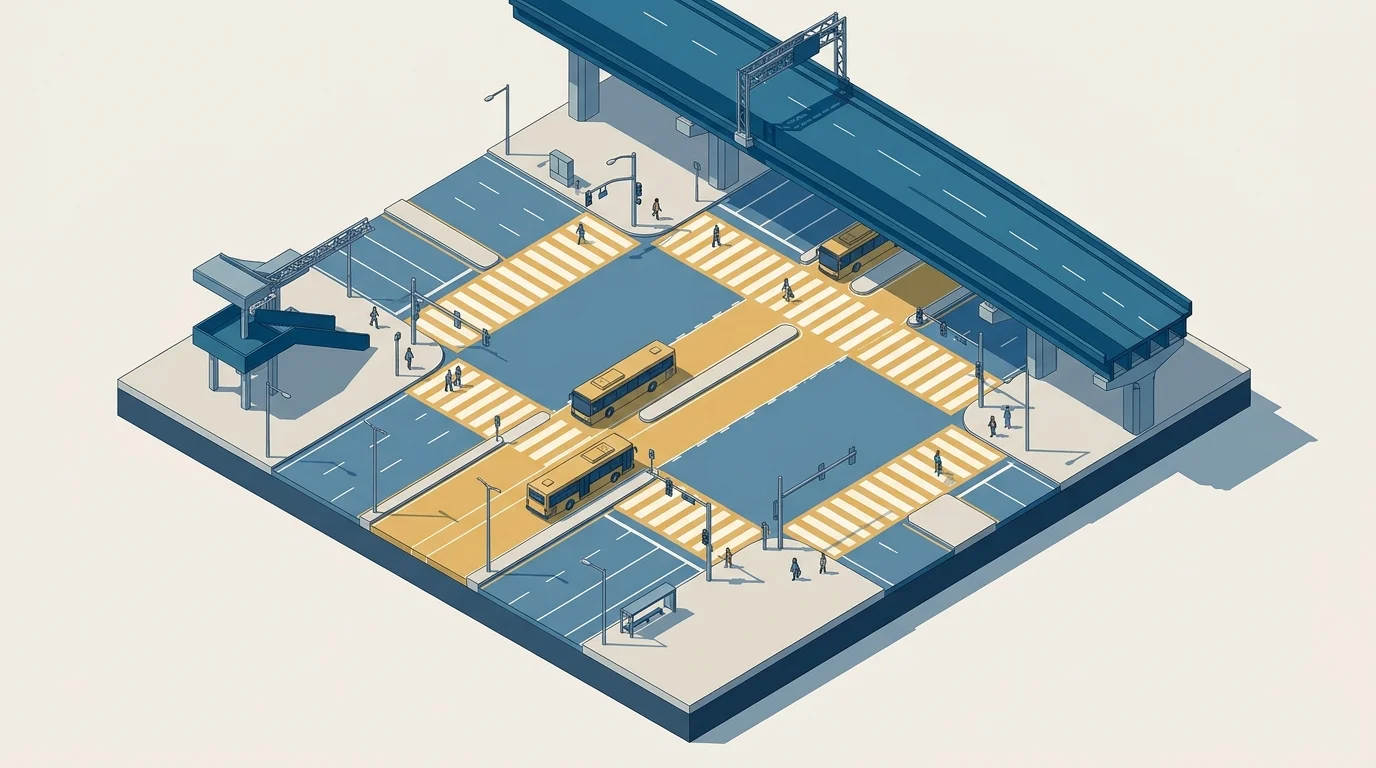
The Federal Transit Formula Grant covers construction of a two-way protected trail running along both sides of Lee Street, along with intersection improvements at every street crossing, landscaping, and resurfacing and restriping of the corridor. The project will also link to the southwest corridor of the Atlanta BeltLine, giving residents in West End, Oakland City, and Lakewood Heights a protected connection into the broader trail network.
The need is hard to overstate. Lee Street is a state route that moves cars at arterial speeds through neighborhoods where many residents don't own cars and depend on MARTA to get to work. Sidewalks are narrow or absent in stretches, and pedestrian fatalities along the corridor have drawn sustained criticism from safety advocates. Georgia ranks among the most dangerous states in the country for pedestrians, and Atlanta's own Vision Zero commitments have faced scrutiny over slow implementation.
For the communities along this corridor, the historic neglect runs deeper than missing sidewalks. The West End and surrounding neighborhoods are historically Black communities that bore the brunt of mid-century highway construction and saw decades of disinvestment while Atlanta's north side and eastern neighborhoods boomed. Car ownership rates here run below the city average, making safe access to MARTA a basic necessity rather than a commuter amenity.
The trail's connection to the BeltLine carries particular weight. While the BeltLine's Eastside Trail has attracted billions in development since it opened, the southwest portions of the 22-mile loop have lagged badly, and community advocates have long argued that historically Black neighborhoods on the south and west sides have seen few of the benefits while absorbing the displacement pressures the project generates elsewhere. A direct link from the Lee Street trail into the BeltLine's southwest corridor would be a tangible, if partial, answer to that criticism.
The backdrop isn't simple, though. The Fort McPherson site at the trail's southern end is being redeveloped around Tyler Perry Studios, and property values throughout the West End and Oakland City have climbed sharply in recent years. Infrastructure improvements in rapidly changing neighborhoods carry a dual edge: long-overdue relief for existing residents who have waited decades for safe streets, and potential fuel for the displacement pressures already reshaping the area.
Because Lee Street is a state route, the project requires coordination with the Georgia Department of Transportation, which has historically prioritized vehicle throughput on corridors like this one. How that negotiation plays out will shape how protective the final design actually is for the pedestrians and cyclists it's meant to serve.
No construction timeline has been announced publicly.