Mifflinburg, Pennsylvania is moving to fix 18 curb ramps across the borough that fail federal accessibility standards, the latest step in a slow-moving effort to bring a town built in the 1800s into compliance with a law that has been on the books for 35 years.
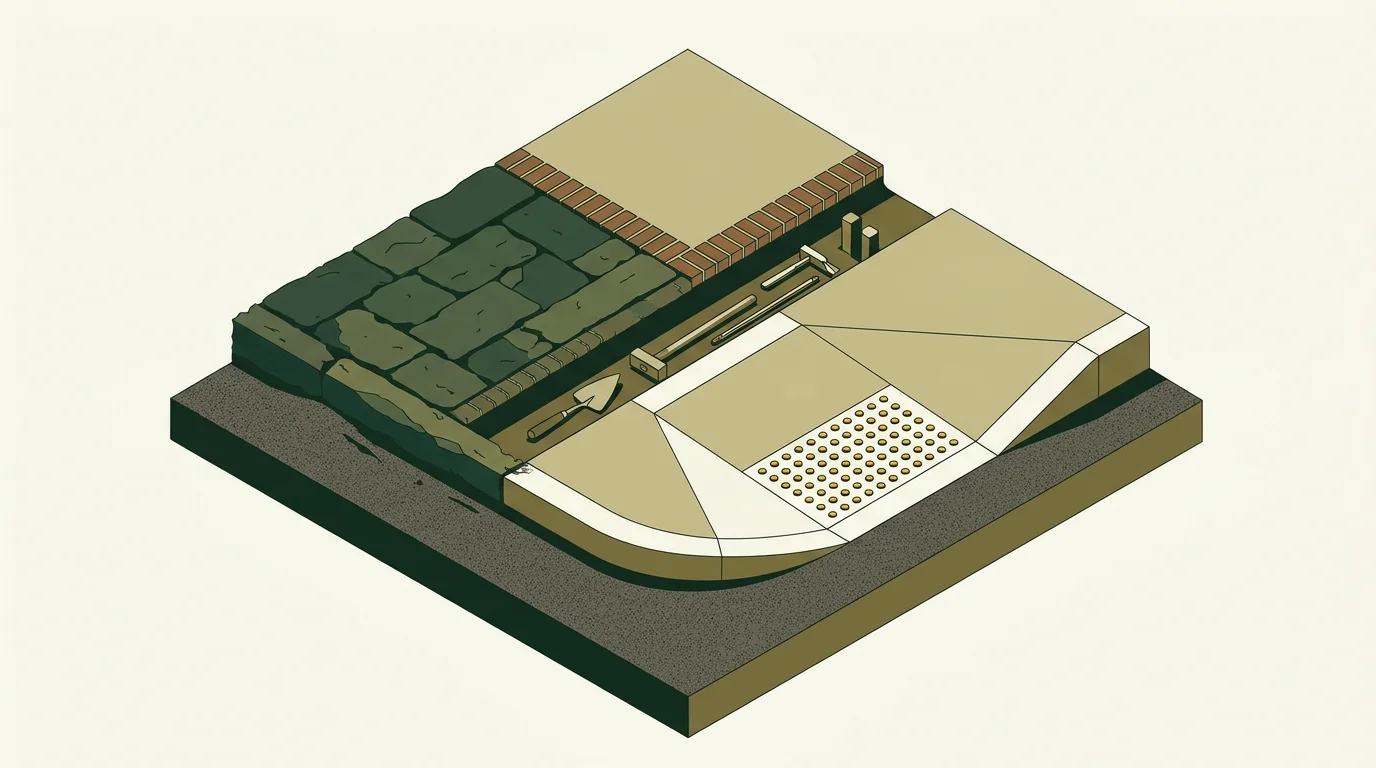
The project targets ramps that lack truncated domes, the textured surface patterns that allow visually impaired pedestrians to feel when they're crossing from sidewalk to street. Without them, intersections can be disorienting or dangerous for people with vision loss. Each of the 18 ramps scheduled for replacement will be rebuilt to current ADA specifications.
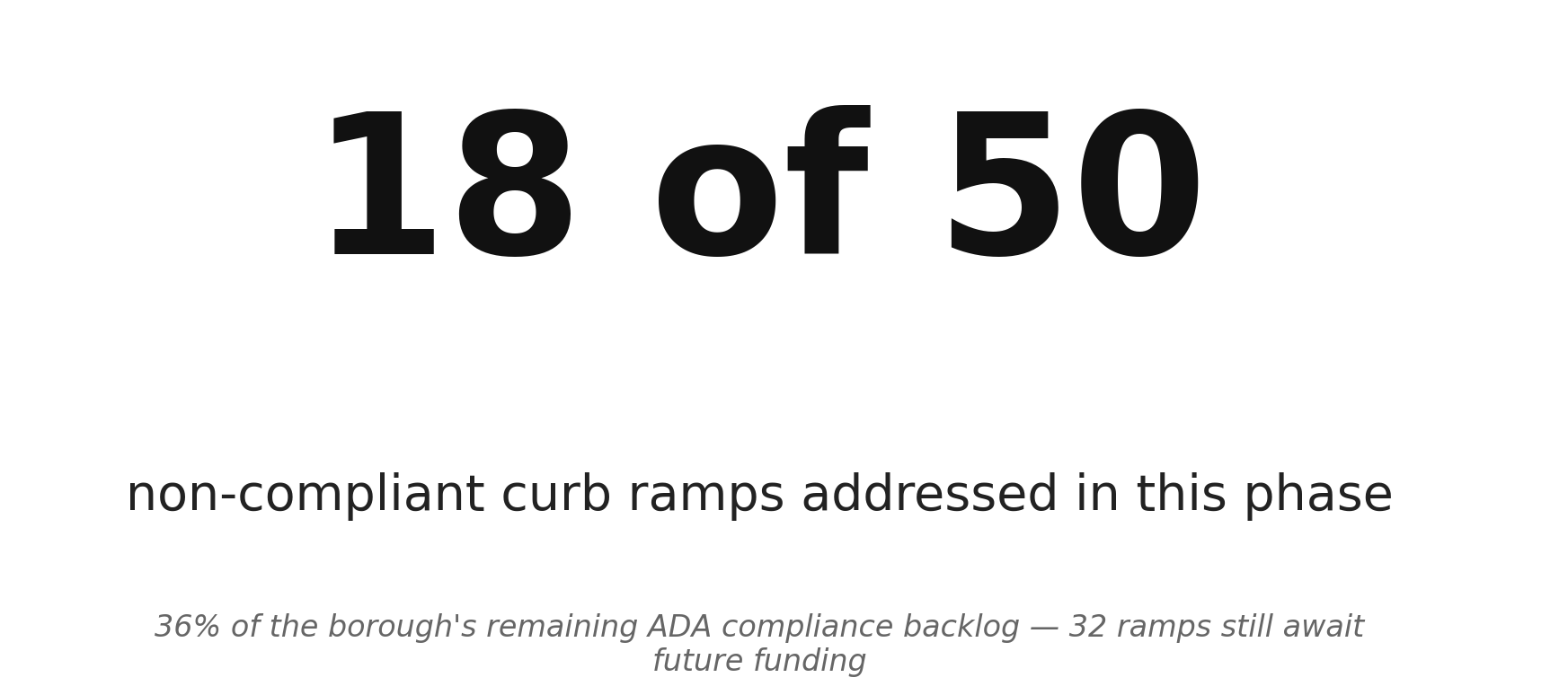
The work addresses roughly a third of the problem. Borough officials have identified 50 non-compliant curb ramps remaining in Mifflinburg, a historic downtown borough of about 3,500 people in Union County. The decision to tackle 18 now reflects a reality familiar to small Pennsylvania municipalities: the money available rarely matches the full scope of what needs to be done. Mifflinburg's aging tax base and limited budget mean improvements have to be phased carefully, with each round of funding unlocking another piece of the backlog.
Source: NationGraph.
That pattern is playing out across central Pennsylvania. Many boroughs founded in the 18th and 19th centuries built their streets and sidewalks long before anyone imagined federal accessibility requirements. When the Americans with Disabilities Act passed in 1990 and subsequent guidance from the Department of Justice tightened standards over the following decades, small towns were left with a compliance gap they couldn't close quickly. The 2021 Bipartisan Infrastructure Law created new federal funding streams that have helped accelerate the work, and PennDOT has pushed resources toward local governments to address backlogs like Mifflinburg's.
Herbert, Rowland & Grubic, a civil engineering firm with an office in nearby Lewisburg, is overseeing the project. The firm has handled similar ADA ramp projects for other boroughs across the region, a sign of how common this kind of catch-up work has become.
Mifflinburg has faced other infrastructure challenges recently. A separate water main replacement effort ran into contractor interest problems, a recurring difficulty for small boroughs competing for attention from construction firms.
With contractor selection now underway, construction timing will depend on the bids that come in. The 32 non-compliant ramps not addressed in this round will remain a gap until the borough secures additional funding for future phases.