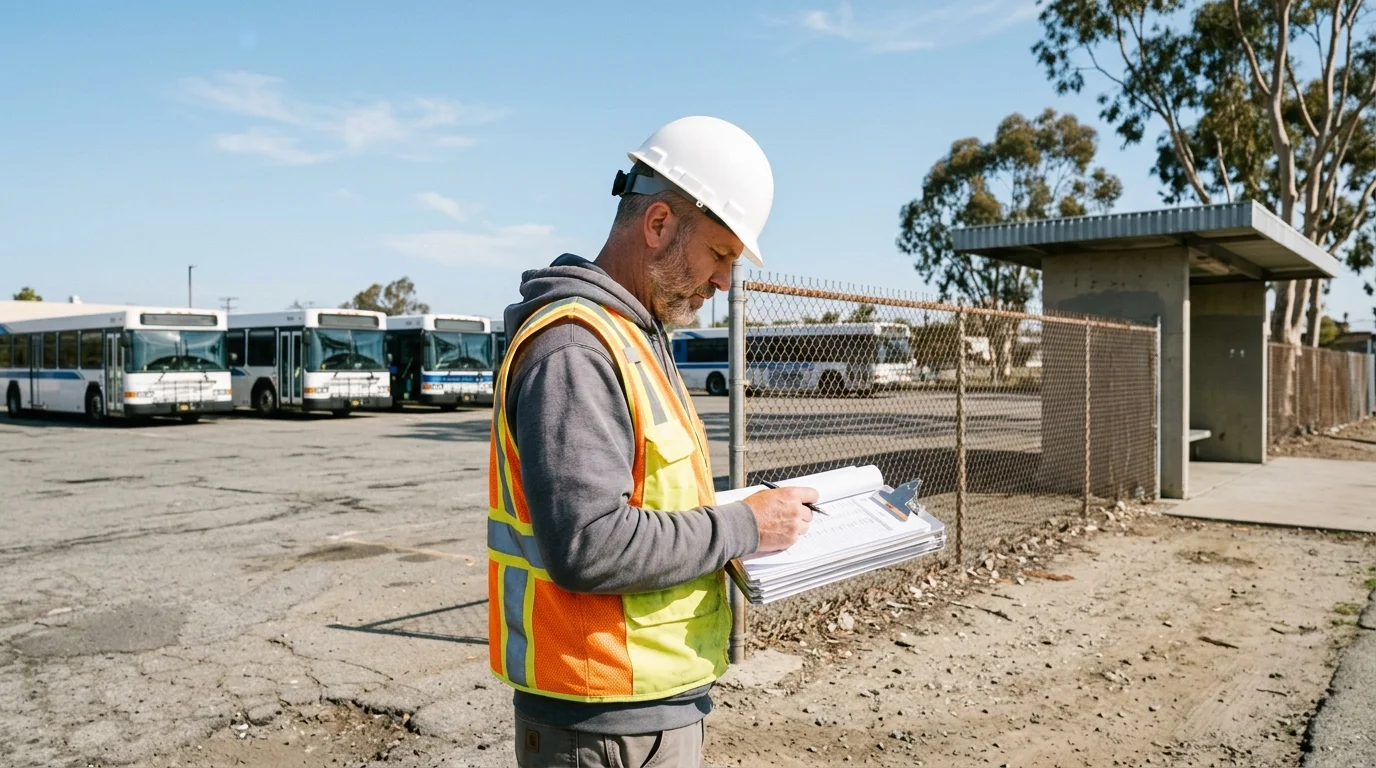
San Antonio, Texas, the largest U.S. city without rapid transit, is inching closer to changing that status. VIA Metropolitan Transit is now hiring engineers to redraw property boundaries along the planned Green Line corridor, a technical but significant step that signals the project is moving from years of planning into the kind of on-the-ground land work that precedes construction.
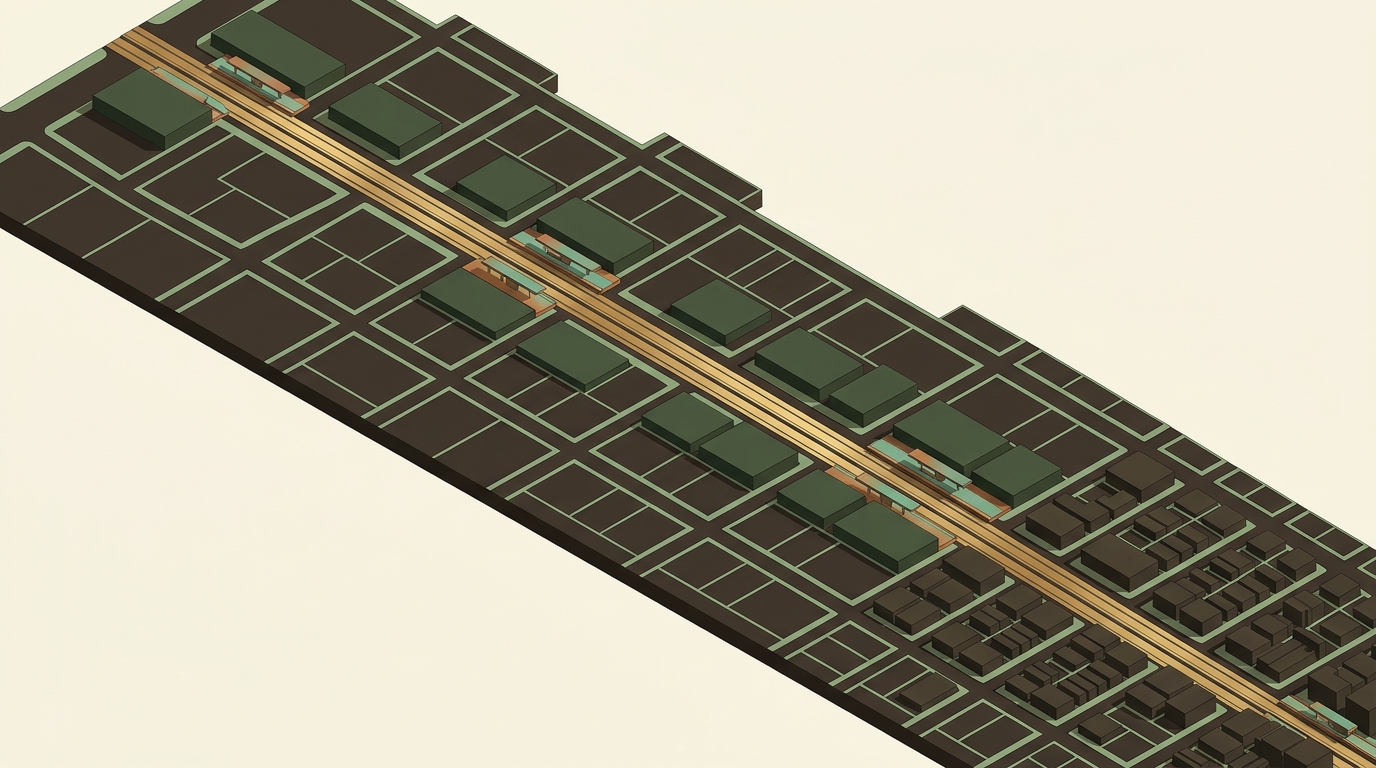
The Green Line is planned to run along San Pedro Avenue and US-281, connecting the San Antonio International Airport through the near North Side to downtown. Re-platting, the process of redrawing legally recorded property maps to reflect new easements, station footprints, and right-of-way adjustments, is required before VIA can formally acquire or modify property along the route. It's unglamorous work, but it's the kind of tangible predevelopment milestone that separates projects that get built from those that stay on maps.
VIA's Advanced Rapid Transit program, which envisions bus rapid transit lines with dedicated lanes, signal priority, and station platforms, was backed by San Antonio voters in the 2020 Connect SA plan. That vote restructured, but did not increase, VIA's existing half-cent sales tax, a political compromise in a tax-averse state. The agency has been positioning its ART corridors for federal Capital Investment Grants under the Bipartisan Infrastructure Law, and completing land-use engineering work like re-platting is part of demonstrating local readiness to federal reviewers.
The Green Line is earlier in development than the Blue Line along Fredericksburg Road, which has been the flagship ART project and has already drawn both enthusiasm and controversy over impacts to businesses along that corridor. As VIA has begun land work for the Green Line, the San Pedro corridor brings its own complexities: it's one of the city's most congested stretches, and rising housing costs along the route have fueled concerns about displacement as transit investment raises property values.
Whether the engineering progress can stay ahead of the funding and political challenges remains an open question. VIA has operated under transitional leadership since longtime CEO Jeffrey Arndt retired in 2023, and debates over whether the agency has enough revenue to deliver on its ART ambitions continue at San Antonio City Council and Bexar County. Property owners along the corridor are likely to get a clearer picture of the project's footprint once re-platting work gets underway.