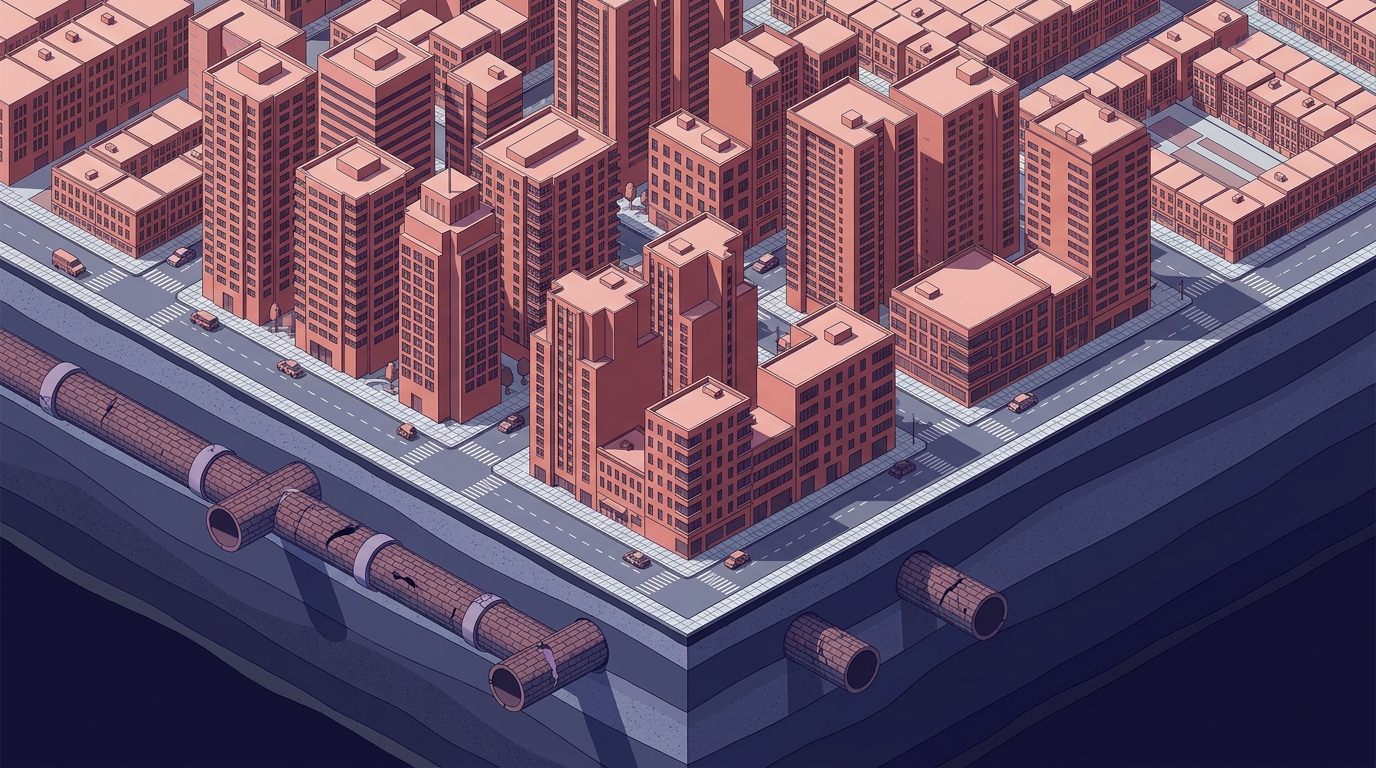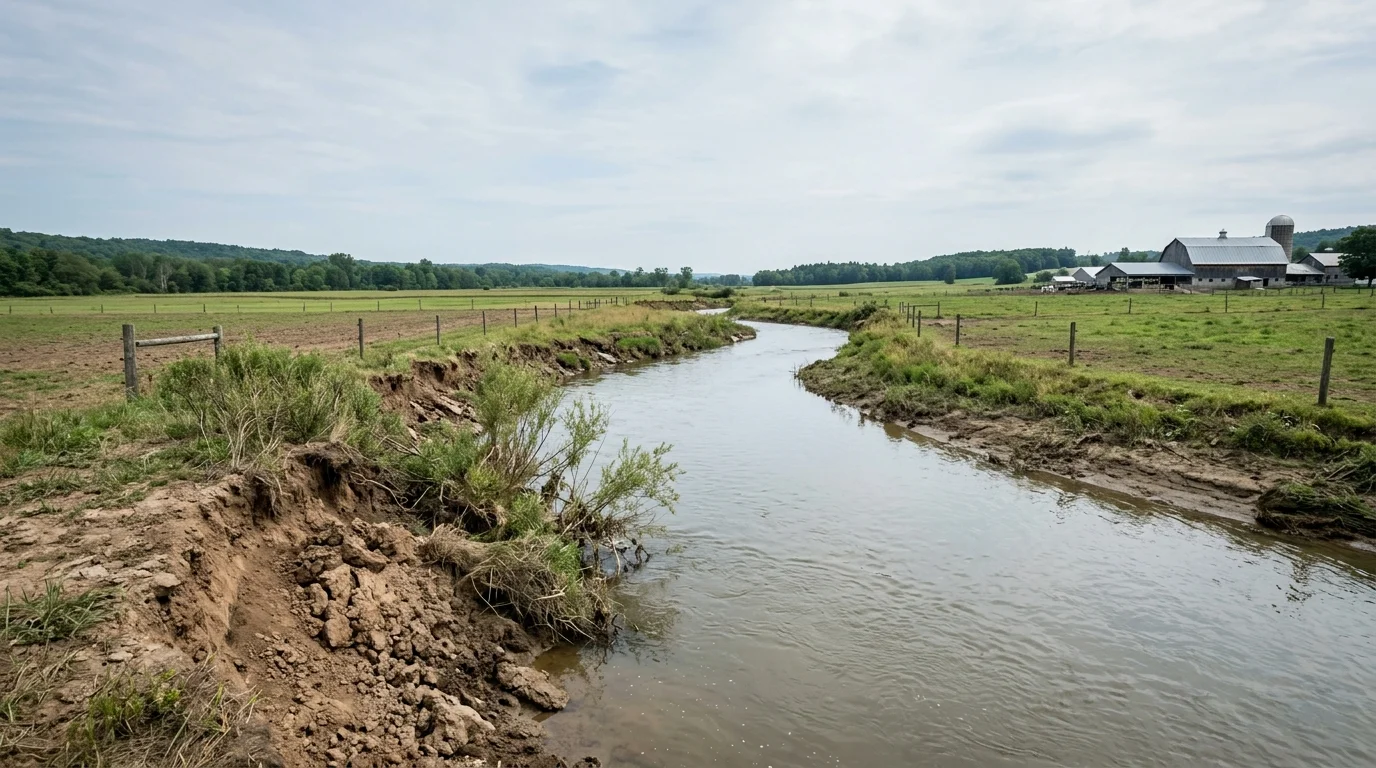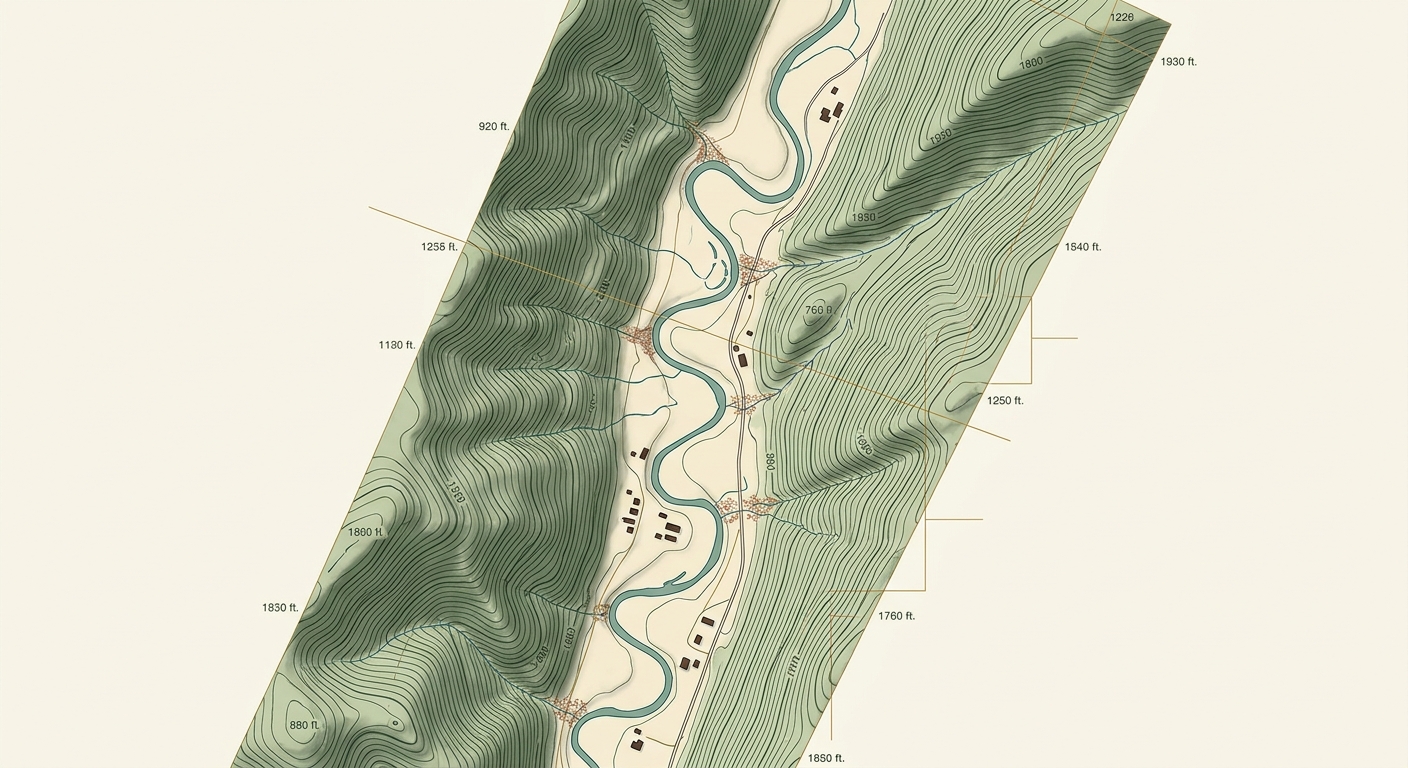
The water district serving roughly 570,000 people across Salt Lake County, Utah is moving to unlock a new drinking water source it has never used before, drawing on a $3 million federal drought relief grant to build a treatment plant that will tap two local springs currently sitting idle.
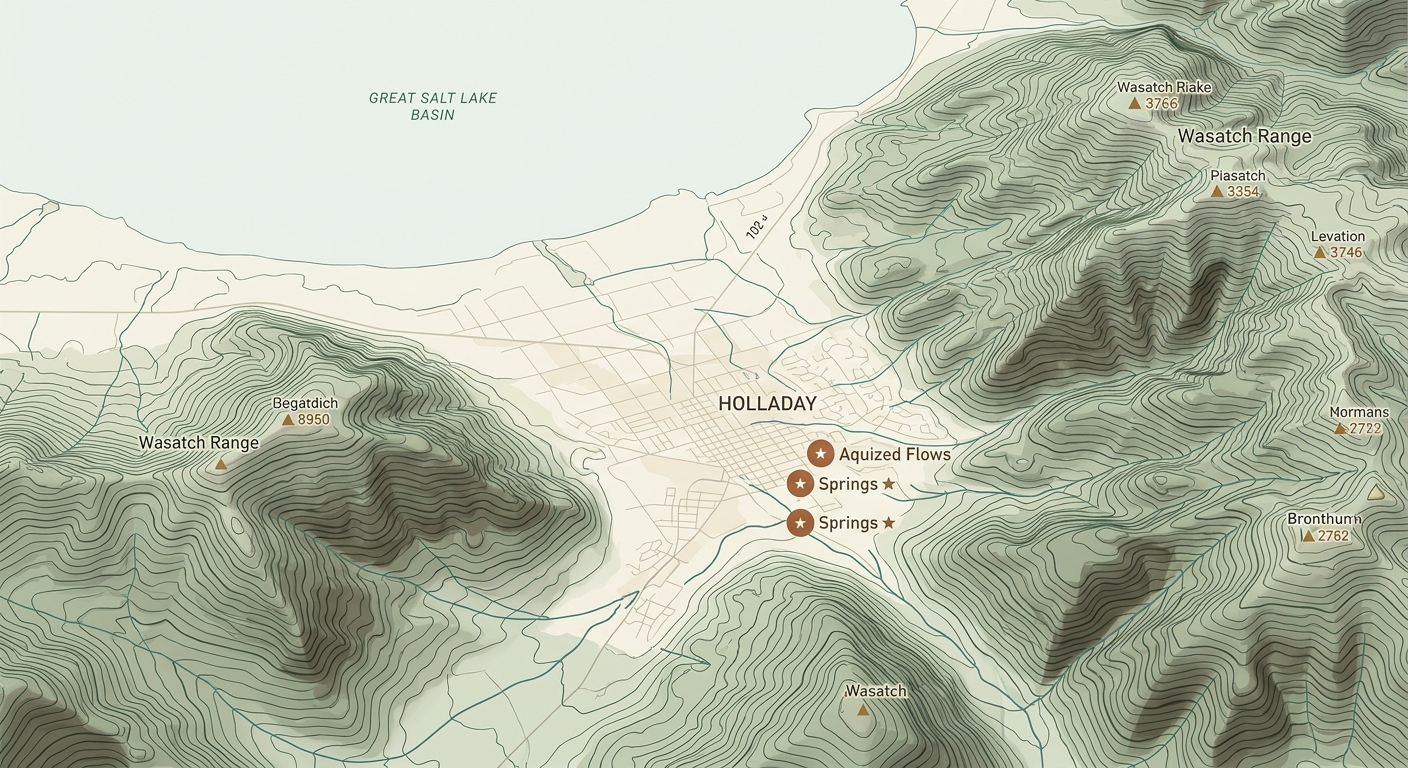
Jordan Valley Water Conservancy District (JVWCD) plans to construct the facility in Holladay, a suburban city in the Salt Lake Valley, to treat water from Casto and Dry Creek Springs. The plant will be capable of processing 5 million gallons per day, enough to supply roughly 15,000 to 20,000 households. The funding comes from the Bureau of Reclamation under its Reclamation States Emergency Drought Relief program, backed by dollars from the 2021 Bipartisan Infrastructure Law.
The project reflects a water reality that has become increasingly difficult to ignore in Utah. The state is the second driest in the nation and has experienced moderate to extreme drought conditions in seven of the past ten years. During those dry stretches, JVWCD leans heavily on groundwater pumping to meet demand. That works in the short term but drains aquifer storage that can take years of wet conditions to replenish.
The Holladay plant addresses that cycle from both ends. During droughts, the spring water provides an additional supply source. During wet years, it allows existing wells to pump less, giving the aquifer time to recover. Water managers call this approach conjunctive use, coordinating multiple source types so no single one carries the full burden.
The district's challenge sits at the intersection of two compounding pressures. Utah has been among the fastest-growing states in the country for much of the past decade, fueled by a booming tech economy and steady in-migration. That growth has pushed development deeper into the Salt Lake Valley even as the snowpack-fed surface water the region depends on has grown less reliable. Climate change has reduced average snowpack and pushed runoff earlier in the season, shrinking the window for capturing that water before it's gone. When surface supplies fall short, groundwater fills the gap, and the aquifer pays the price.
The 2020 to 2022 megadrought illustrated the stakes clearly. Great Salt Lake fell to historic lows in 2022, reservoirs across the Wasatch Front dropped sharply, and emergency water restrictions went into effect. An unusually heavy snowpack in 2023 offered temporary relief, but experts cautioned that one good year does not reverse a structural trend.
Tapping Casto and Dry Creek Springs has been a priority in JVWCD's official Drought Contingency Plan and its 10-year capital projects plan. The Bureau of Reclamation has increasingly pushed water districts to develop exactly these kinds of formal plans as a condition of federal assistance, part of a broader shift from responding to droughts after they hit to building resilience before the next one arrives.
No construction timeline has been publicly released. As design and permitting move forward, the project will offer one concrete answer to a question water managers across the West are still working through: whether adding new supply can keep pace with the demand that growth keeps adding.