Columbia, South Carolina is moving to transform a stretch of its Congaree riverfront into a mixed-use greenway development, seeking a private partner to build what city leaders hope will become a signature amenity for a capital city that has long watched investment flow to Charleston and Greenville instead.
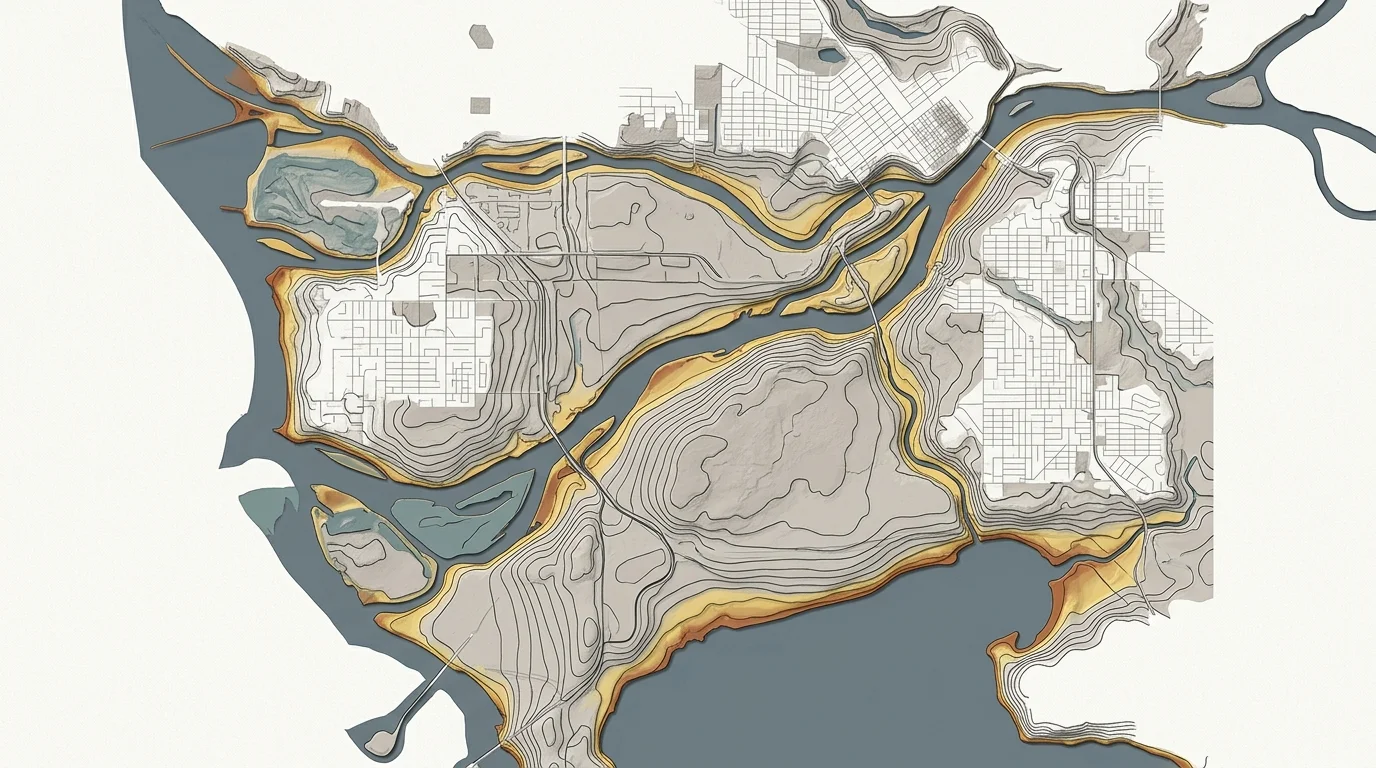
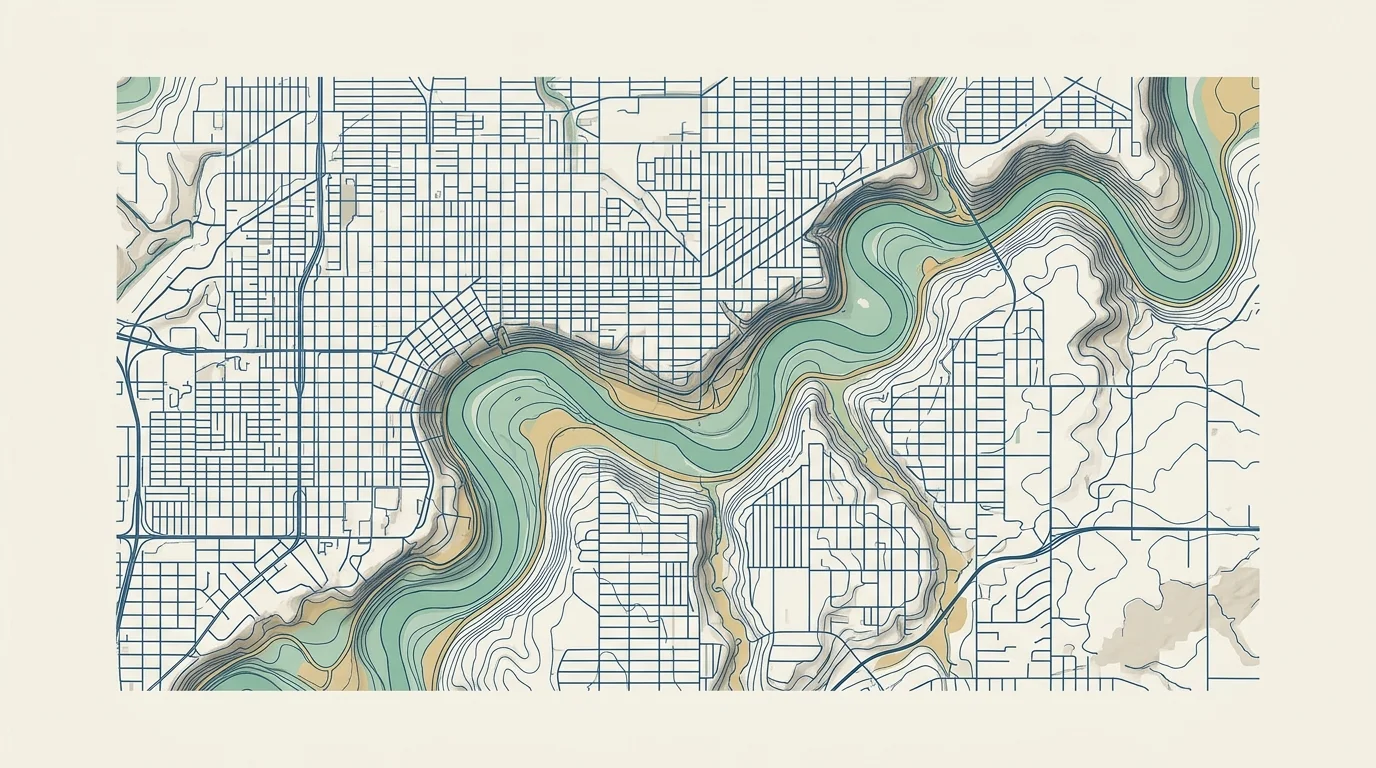
The River Drive Vista Greenway Development, posted by the city at the end of April, envisions public green space woven together with residential and commercial uses near the Vista entertainment district. Rather than funding construction directly, the city is looking for a private developer to take on the financial risk while Columbia retains control over public space and design standards, a model cities increasingly use when they hold valuable land but lack capital for large-scale projects.
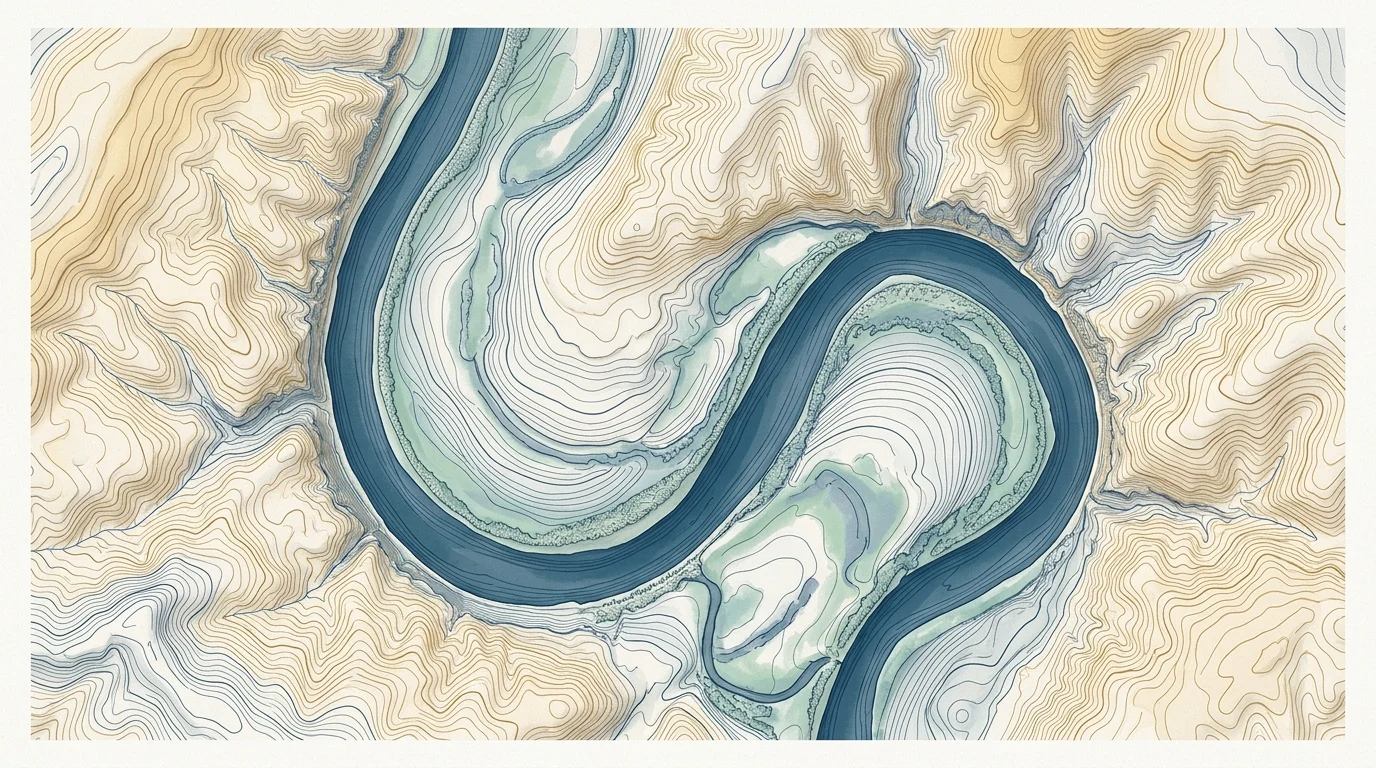
The Congaree River has been an underutilized asset for decades despite its obvious appeal. That calculation grew more complicated after the catastrophic October 2015 floods, which caused over $12 billion in damage statewide and left Columbia grappling with how to develop responsibly near its waterways. Since then, the city has updated its flood maps and invested in stormwater infrastructure, but public skepticism about building in river-adjacent zones remains a real factor any developer will have to navigate.
Columbia has been betting on large-scale mixed-use development since the mid-2010s, most visibly through the BullStreet District, a 181-acre redevelopment of the former State Hospital campus. A successful riverfront project would add to that portfolio and likely extend the Three Rivers Greenway, a regional trail network connecting the Broad, Saluda, and Congaree rivers that has become one of the city's most popular public amenities.
The timing reflects both opportunity and pressure. South Carolina has been among the top states for inbound migration since 2020, but Columbia, home to roughly 137,000 residents and the University of South Carolina's 35,000-plus students, has captured less of that growth than its rivals to the east and upstate. Quality-of-life infrastructure, including walkable green space and waterfront access, has become central to how mid-size cities compete for remote workers and young professionals.
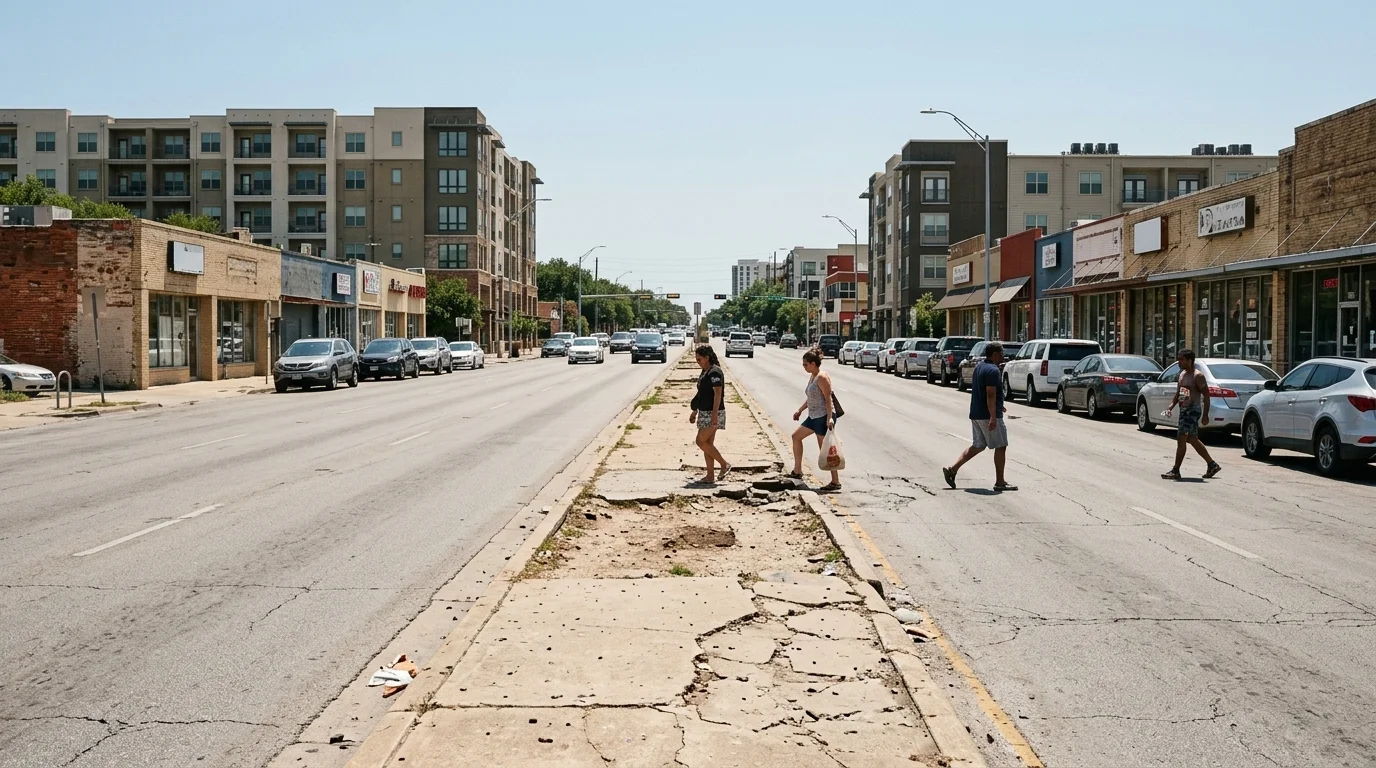
The project carries real tensions, though. The neighborhoods closest to the river include lower-income and historically Black communities that could face displacement pressure if riverfront land values rise sharply. Affordable housing advocates have raised similar concerns around other Columbia revitalization zones, including the Olympia Mill and Riverview areas. Whether the greenway remains genuinely public once bundled with private development will likely be a central question as the project moves forward.
The city has not publicly released a budget figure or acreage for the project, so the full scope remains unclear. What happens next depends on which developers respond and what proposals they bring, a process that will begin to reveal whether Columbia's riverfront ambitions match what the private market is willing to build.