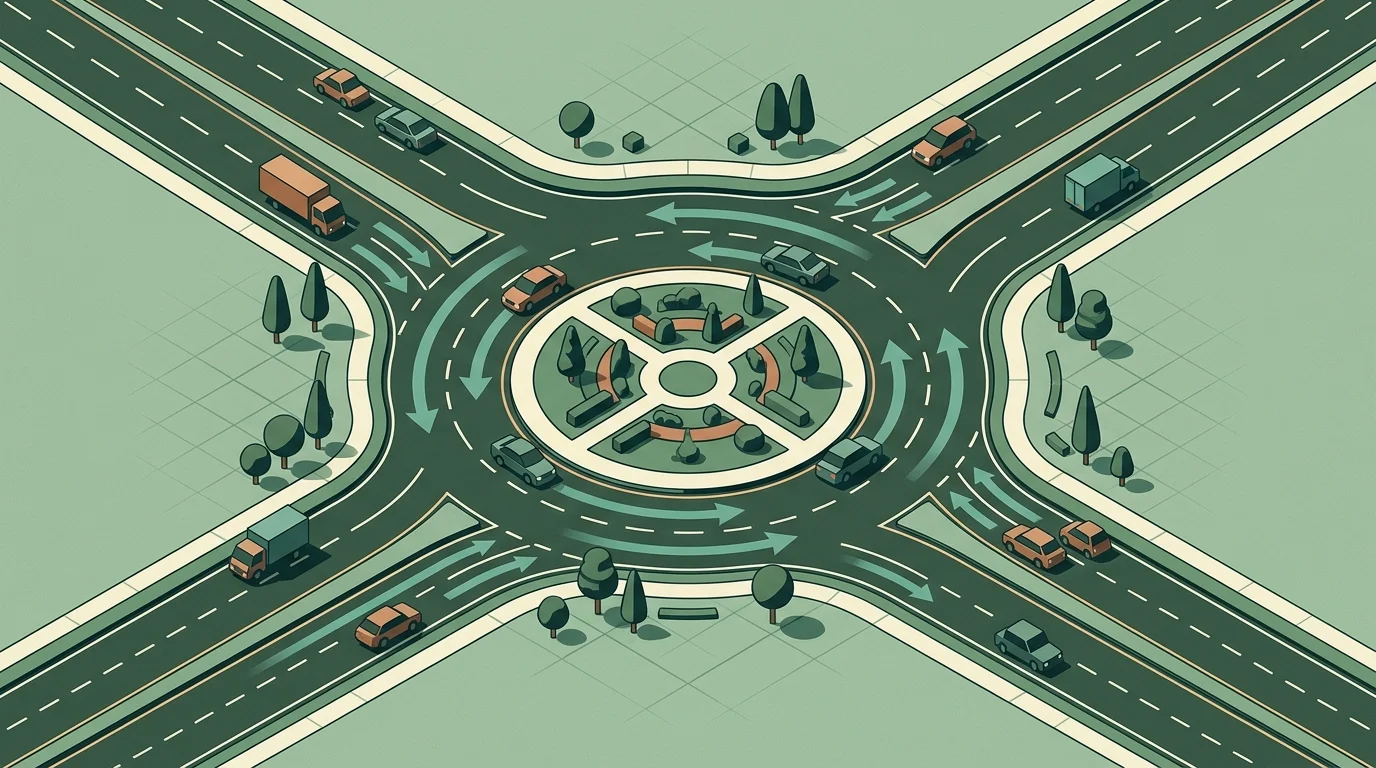
Clearlake, California is moving to replace a longtime problem intersection on Dam Road with a modern roundabout, a project that reflects both a national shift in how cities handle dangerous crossings and the particular challenges facing one of California's most cash-strapped communities.
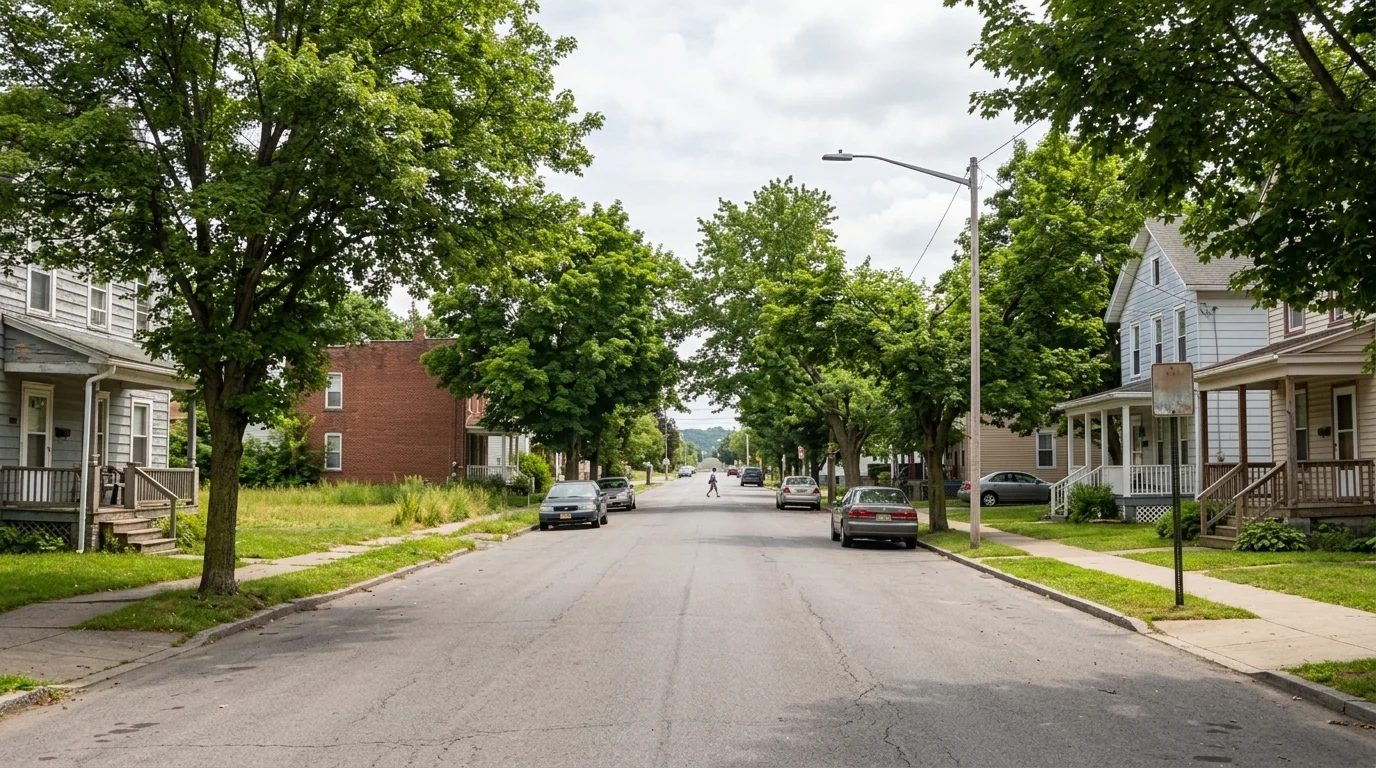
Dam Road is a main artery in this Lake County city of about 16,000, running near the outlet of Clear Lake, the state's largest natural freshwater lake. The intersection has long drawn concern for its geometry and accident history, and the problem grows worse each summer when tourism traffic swells the area's population.
The safety case for roundabouts is strong. Federal Highway Administration data shows modern roundabouts reduce fatal and incapacitating injury crashes by roughly 78 to 82 percent compared to conventional intersections. That figure has driven a national boom: the U.S. had fewer than 1,000 roundabouts in 2000 and now has more than 10,000. Caltrans now encourages roundabouts as a default option when cities consider intersection improvements.
For Clearlake, the appeal goes beyond safety. Roundabouts eliminate the need for traffic signals, cutting electricity costs and ongoing maintenance bills that a city with a median household income around $30,000 and a poverty rate above 30 percent can ill afford. Nearly every capital project the city undertakes depends on state or federal grants rather than local tax revenue.
Clearlake's status as a designated Disadvantaged Community under California's CalEnviroScreen program gives it priority access to state transportation and infrastructure dollars. The 2021 federal Infrastructure Investment and Jobs Act has also pushed new money into road safety programs, including the Safe Streets and Roads for All initiative, creating openings for small cities that previously had few options. The specific funding source and total budget for the Dam Road project have not been publicly detailed in the city's procurement posting, and those figures will be worth watching as the project advances.
Clearlake spent much of the 2000s and 2010s in fiscal distress severe enough that basic road repairs went unfunded for years. The roundabout project is part of a broader, grant-fueled push to catch up on infrastructure that the city has been pursuing alongside waterfront improvements, a General Plan update, and cleanup work tied to the nearby Sulphur Bank Mercury Mine Superfund site.
One open question is whether residents will warm to the change. Roundabouts in small communities often face local resistance despite their safety record, simply because they're unfamiliar. Clearlake's city council has shown consistent support for pursuing outside infrastructure funding, but public reaction to the specific design will likely surface as the project moves toward construction.