The northeast Edmonton corridor, one of Canada's fastest-growing industrial and residential stretches, is getting new electrical infrastructure to keep pace with demand that is outrunning the existing grid.
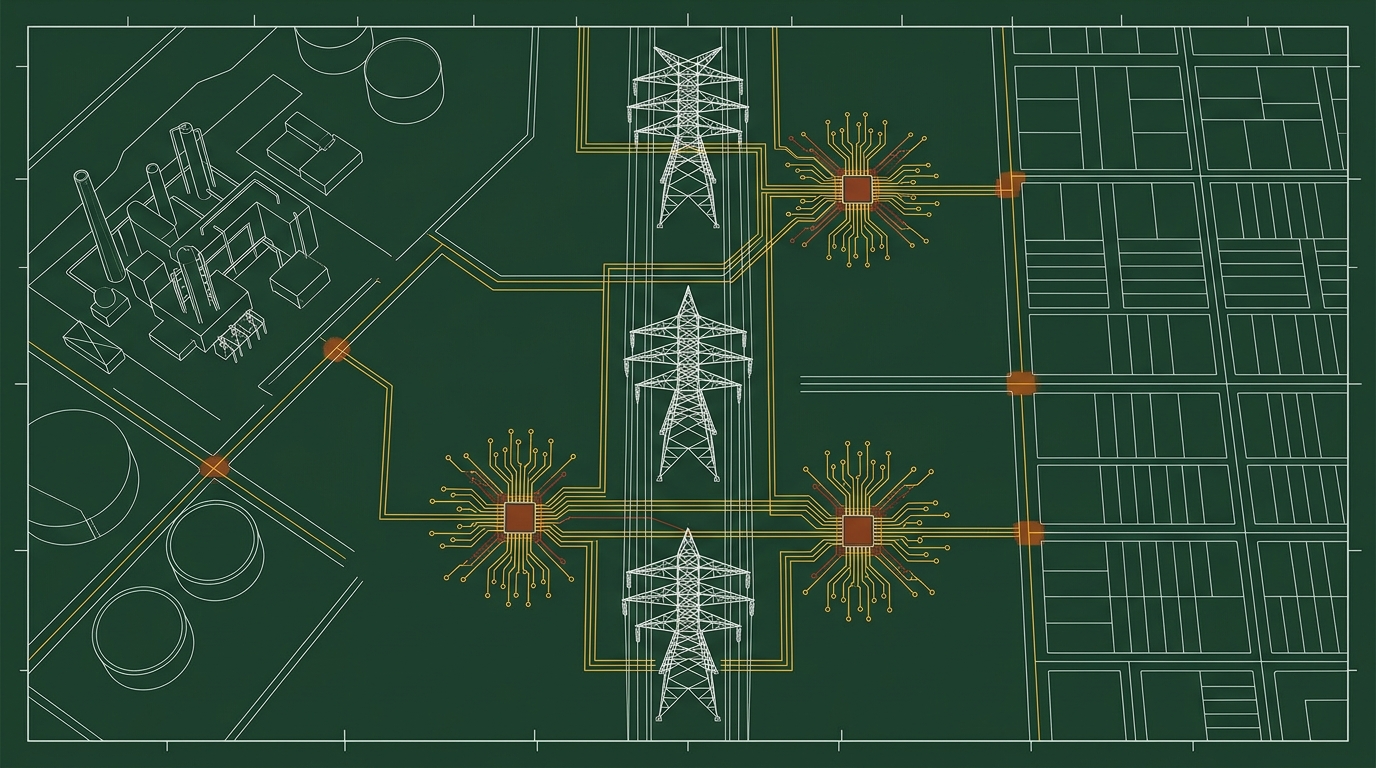
A utility is now seeking a contractor to build the Fort Road Substation and a new 72 kV transmission line running northeast from Edmonton toward Fort Saskatchewan, Alberta. The project reflects a broader pattern of grid reinforcement that electricity planners have been flagging for years as unavoidable.
Fort Road runs through a corridor that has become a pressure point for Alberta's power system. The area anchors Alberta's Industrial Heartland, home to the $16.5 billion Sturgeon Refinery and a sprawling cluster of petrochemical operations that collectively draw enormous amounts of electricity. Residential subdivisions have also expanded rapidly along the same corridor as Alberta added more than 200,000 people province-wide in 2023 alone, making it the fastest-growing province in Canada.
A 72 kV line operates at sub-transmission voltage, meaning it steps power down from higher-voltage bulk transmission lines and delivers it to the local distribution network. That makes this project about serving growing local load rather than moving power over long distances: more homes, more factories, more data centers, all needing reliable supply.
The Alberta Electric System Operator (AESO), which centrally plans the province's transmission network, has repeatedly identified the Edmonton region as needing reinforcement in its long-term planning documents. The province's grid has already faced stress: in January 2024, Alberta issued grid alerts during extreme cold, raising public concern about capacity. Meanwhile, demand is climbing from new data center developments, industrial electrification, and the ongoing expansion of oil sands operations.
The Fort Road Substation and 72 kV Transmission Line Construction RFP was posted April 2, 2026. The combined scale of building both a substation and a transmission line in a single procurement suggests a capital investment likely running into the tens of millions of dollars. Projects of this type require approvals from the Alberta Utilities Commission before construction can begin, so reaching the contractor procurement stage means regulatory hurdles have already been cleared.
Once a contractor is selected and construction begins, the new infrastructure would add meaningful capacity to a corridor that planners expect to keep growing for years to come.