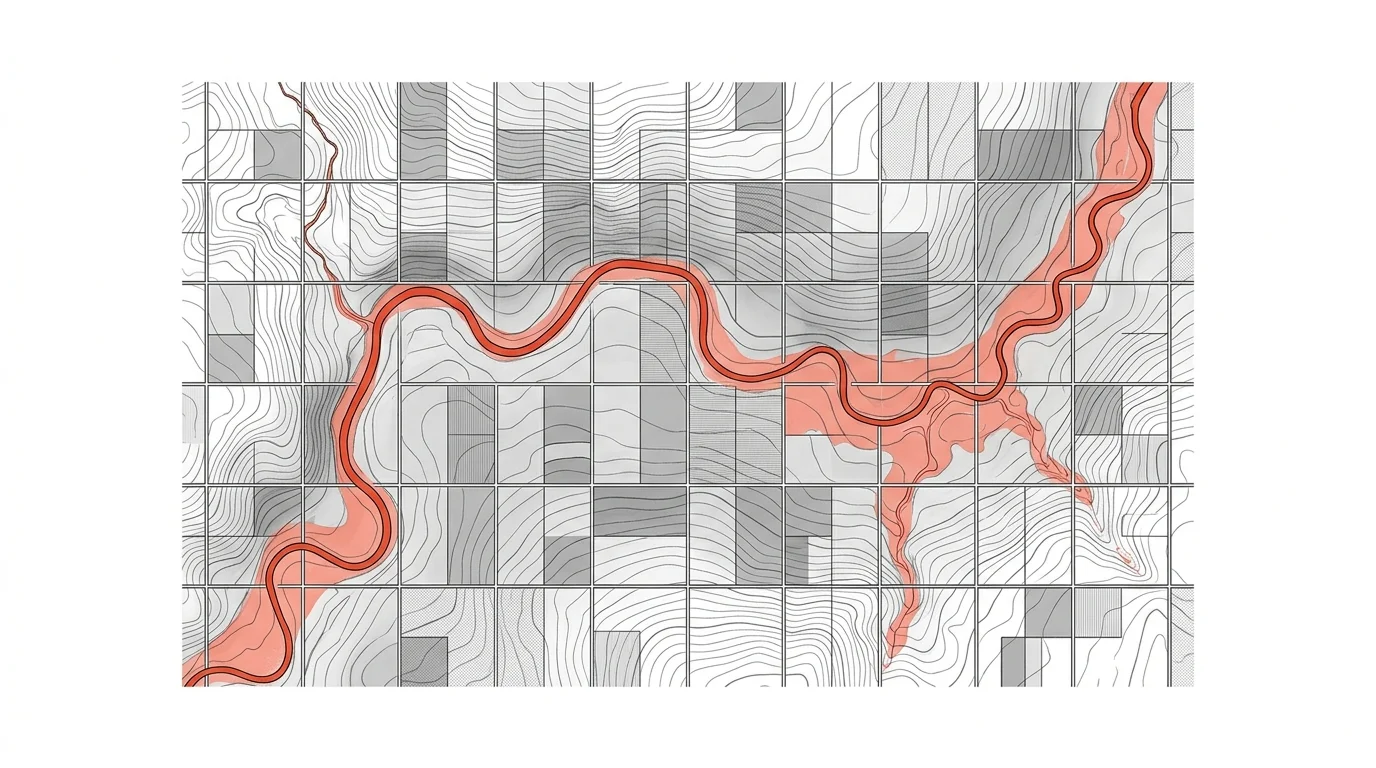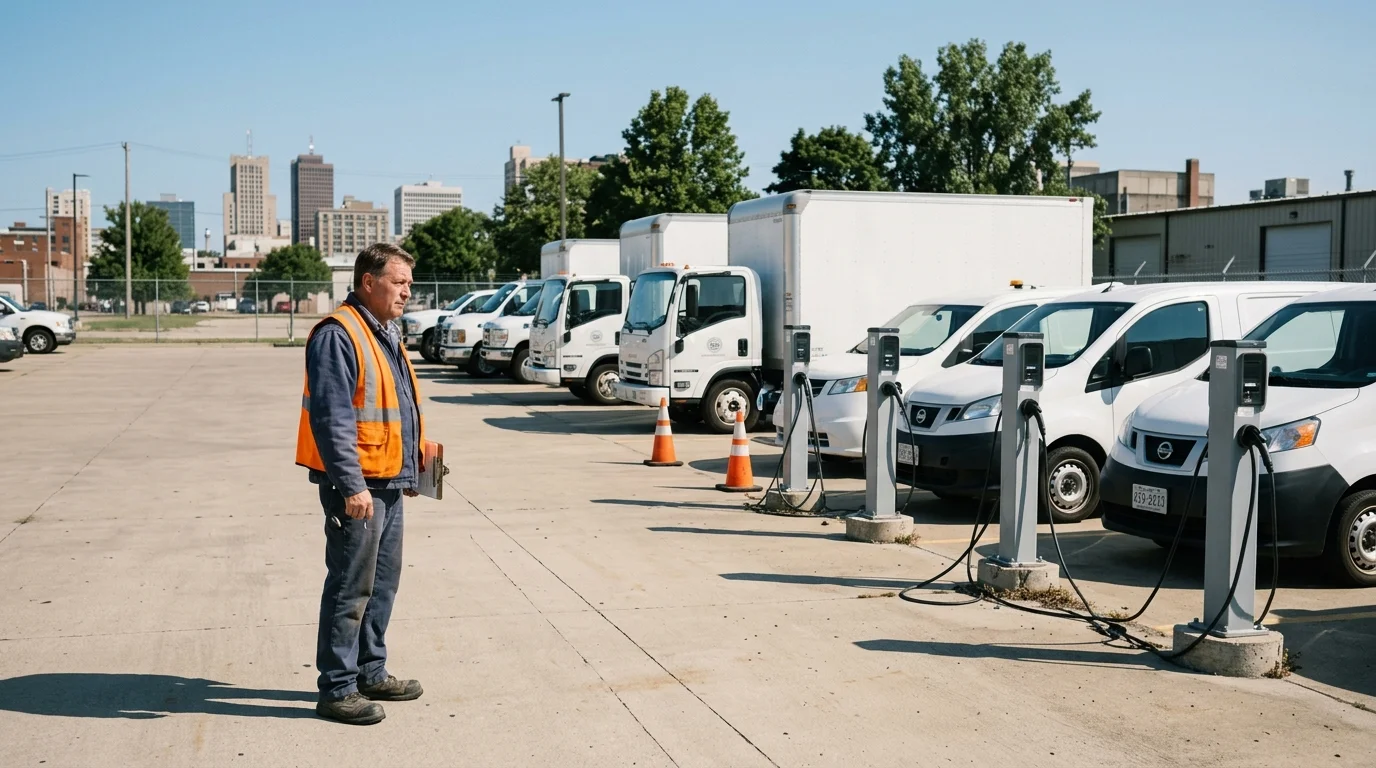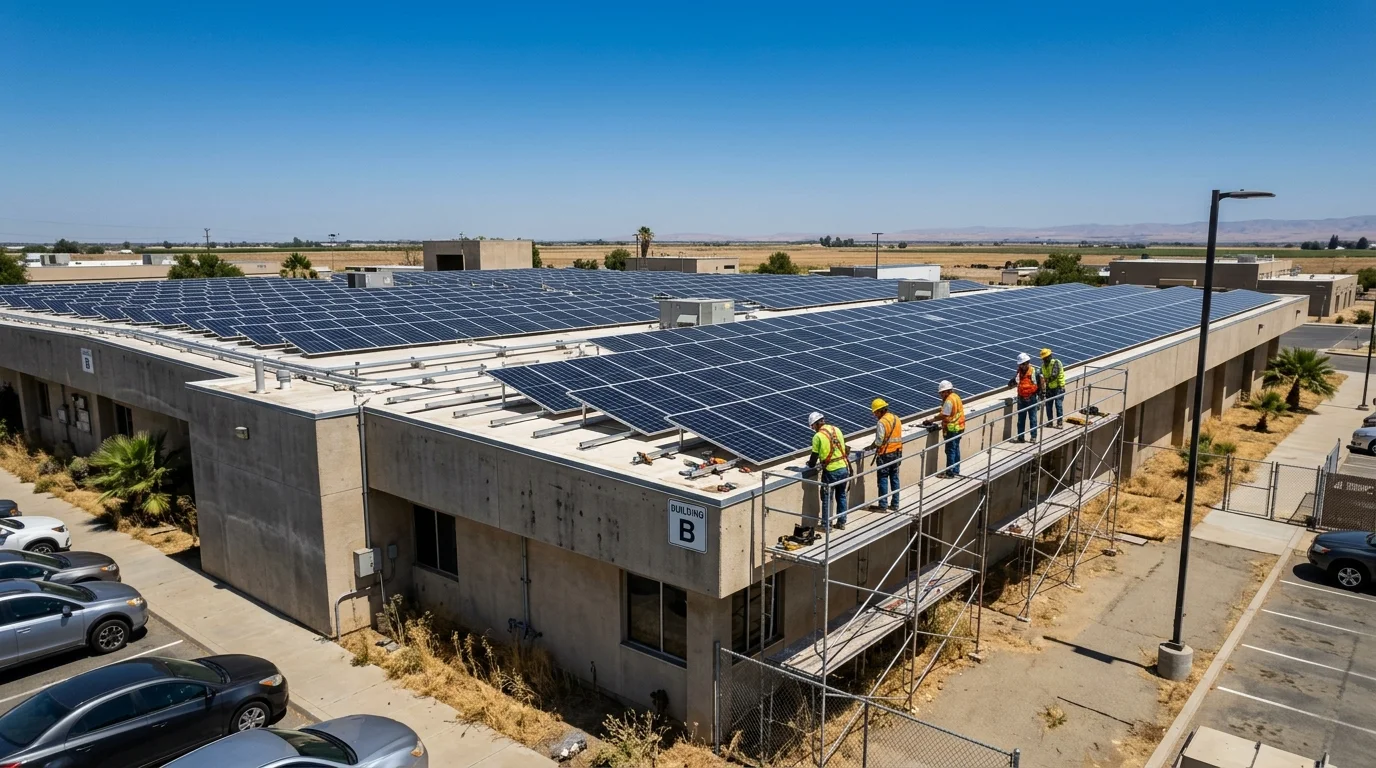
Michigan housing RFPs hit 151 in the last 30 days, against a clean monthly baseline of roughly 30 to 40, a surge of four to five times normal volume that shows up not in ribbon-cutting announcements but in procurement notices for individual houses on named streets in small cities most Michiganders couldn't find on a map.
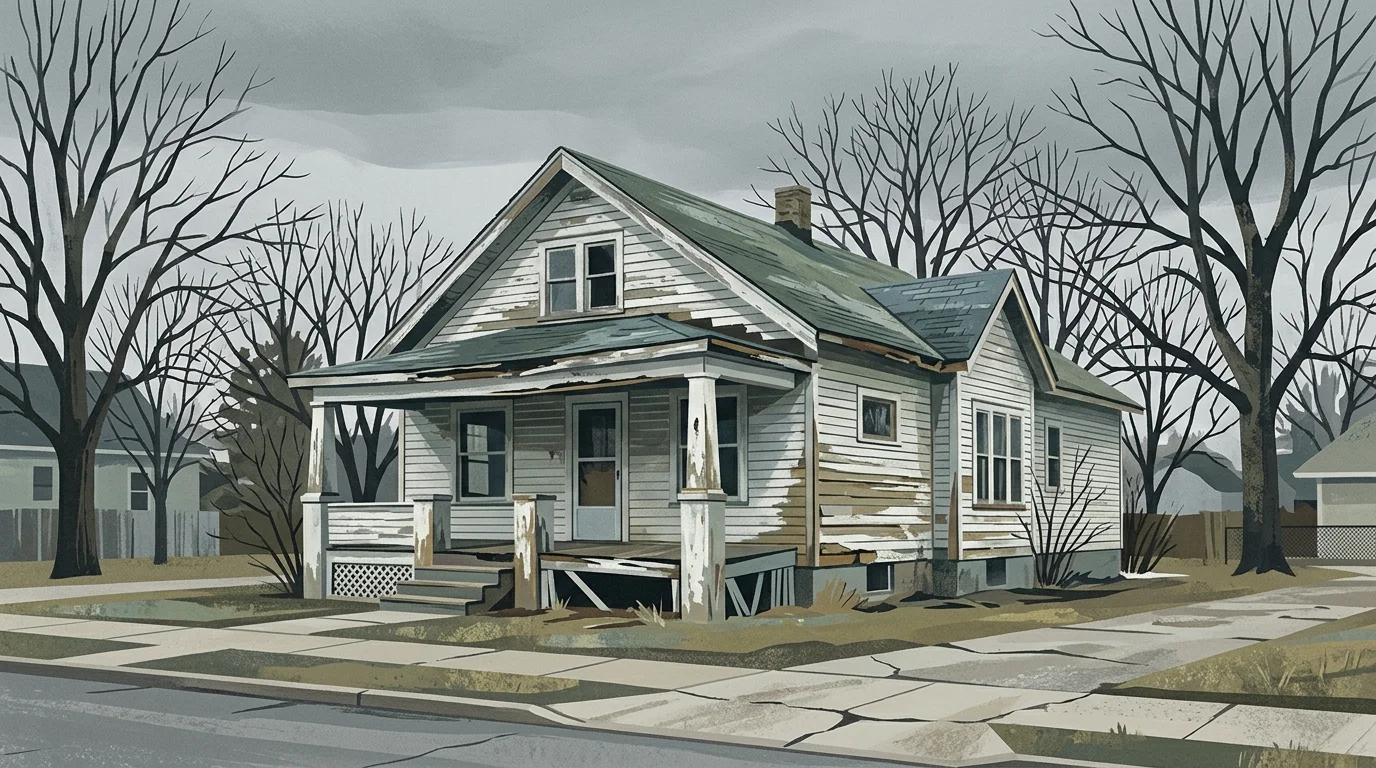
Jackson leads the count with 48 RFPs in 30 days. The city has roughly 30,000 residents and is simultaneously soliciting bids to rehabilitate more than 40 individual homes: 612 Hibbard, 742 N. State Street, address after address, each a separate competitive solicitation. Inkster, with 15 RFPs, and Michigan State University, with 24, follow. What unites most of them is a single institutional clock: MSHDA's CDBG MI Neighborhood Program Round 4, whose Letters of Intent closed March 4, 2026. Communities designated under that round have 120 days to complete public participation and submit full applications. That window expires in the heart of summer, and every day a contractor search drags on is a day closer to a deadline that could send federal dollars back to Washington.
The procurement language in the RFP titles makes the driver explicit. Notices filed in recent weeks include "MSHDA CDBG MI Neighborhood Grant Administrator," "Third-Party Administrator Services for CDBG Housing Rehabilitation Program," and plain "MSHDA Grant Administration", the administrative scaffolding that has to be in place before a single nail gets pulled from a rotting porch. These aren't ambitious new development projects. They are the unglamorous machinery of deploying capital that has already been appropriated.
Source: NationGraph.
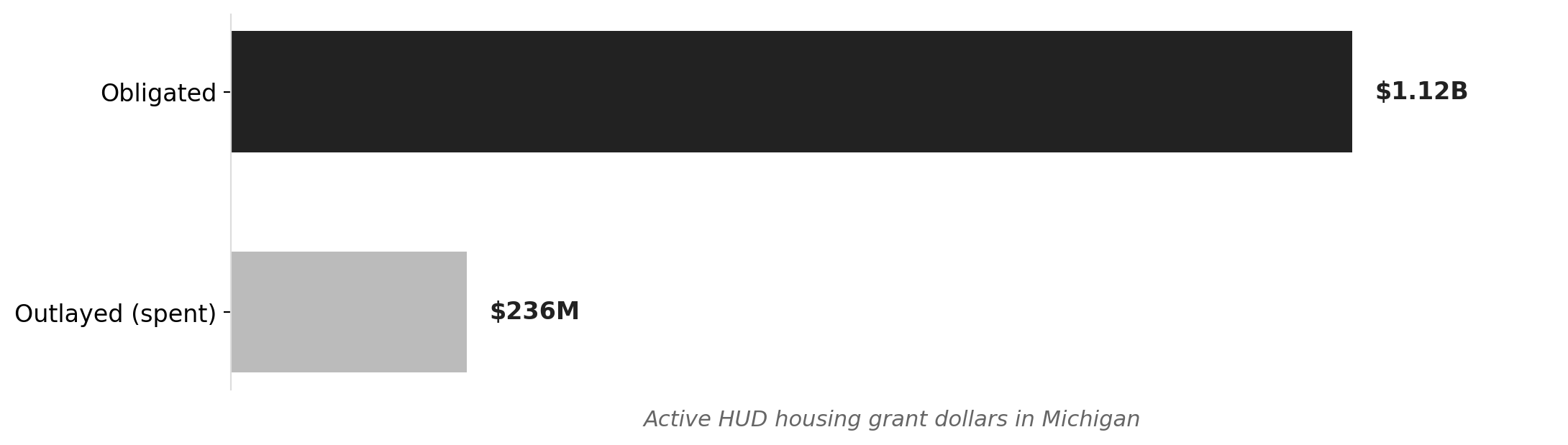
The scale of that undeployed capital is striking. Michigan's active HUD housing grant portfolio currently shows $1.12 billion in obligated funds with only $236 million outlayed. That gap, nearly $900 million sitting between commitment and construction, is what the spring procurement sprint is trying to close. Michigan is a non-entitlement state for CDBG purposes, meaning HUD channels funds through MSHDA rather than directly to most municipalities. When MSHDA moves, every eligible community in its network moves at once, concentrating what would otherwise be a diffuse, year-round hiring process into a single synchronized surge.
The structural deadline alone doesn't fully explain the urgency. Governor Whitmer's office has layered on a political one. After Michigan hit its original 75,000-unit housing production goal a full year early, Whitmer raised the target to 115,000 units. Her 2026 State of the State address called for eliminating "nonsensical construction requirements" and proposed a state-level affordable housing tax credit. MSHDA reported a record $2.61 billion in housing investment in FY2025, the highest in the agency's history since its 1966 founding, and helped 6,193 Michiganders become homeowners, also a record. With Whitmer in her final year, the pressure to show a deployable pipeline before the legislative session closes is real.
The legislative calendar is adding its own compressed timeline. On May 14, 2026, Michigan Senate Democrats introduced SB 968 and SB 971, the Michigan Housing Opportunity Credit designed to unlock more than 2,500 new units per year by supplementing the federal Low Income Housing Tax Credit, and a bill prohibiting out-of-state investors from owning more than 10 single-family homes in the state. A bipartisan package of Housing Readiness bills reducing parking minimums and loosening zoning restrictions is also moving. Bridge Michigan reported "a rare bipartisan push and backlash" on May 15, noting multiple competing packages but no consensus yet on final form. For cities already in procurement mode under CDBG deadlines, the tax credit legislation, if it passes, would extend and deepen the pipeline they're building right now.
Among Great Lakes peers, Michigan's 3.1x official surge ratio (the real surge is closer to 4 to 5x once the July 2025 data artifact is excluded) is the highest in the region. Ohio sits at roughly 2.95x, Wisconsin at 1.66x, Indiana at 1.16x. That gap reflects Michigan's particular combination of a centralized MSHDA pipeline, a governor with a production target and a deadline, and a legislative moment that makes shovel-ready projects more valuable than they've been in years.
What this means practically for residents of Jackson, Inkster, or the dozens of smaller non-entitlement communities now in procurement is that aging housing stock that has waited years for rehabilitation dollars is finally entering the bid process. Whether those bids close into completed contracts before the 120-day application window expires is the next signal to watch. Communities that miss the Round 4 deadline will have to wait for Round 5, and in the meantime, the houses on those named streets keep deteriorating.