Montverde, Florida is moving to disconnect homes from aging septic tanks and hook them into a modern sewer system, a project aimed at cutting off a persistent source of nutrient pollution flowing into Lake Apopka, one of the state's most damaged lakes.
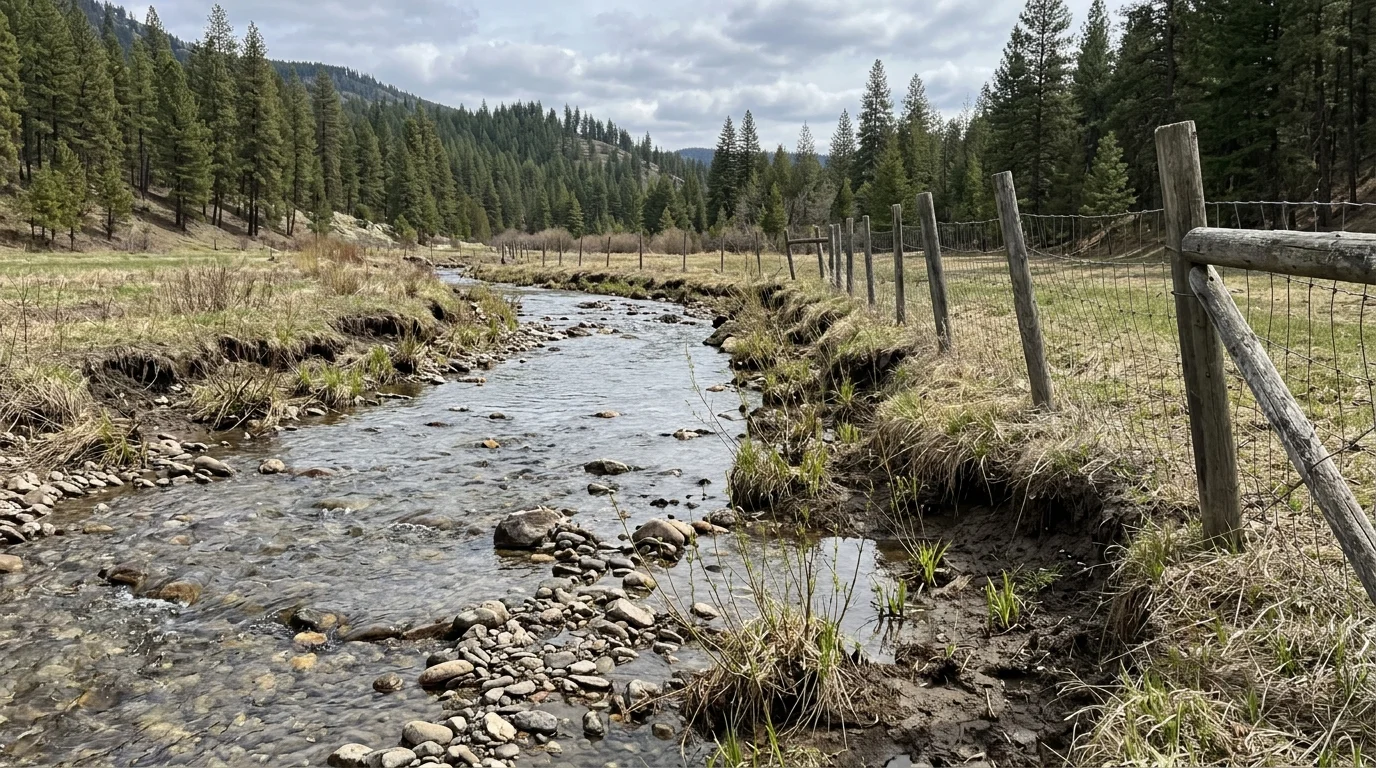
The small Lake County town, home to roughly 2,000 to 2,500 residents, has long relied on individual septic systems built when the area was still largely rural. But as suburban growth from the broader Orlando metro has pushed into southwest Lake County, those systems have struggled to keep pace, and the environmental cost has mounted. Septic tanks in Central Florida's sandy, high-water-table soils leach nitrogen and phosphorus into groundwater that feeds nearby lakes, accelerating algae blooms and choking aquatic life.
Lake Apopka sits at the center of this concern. Once a world-class bass fishing destination, the lake collapsed in the mid-20th century under the weight of agricultural runoff and nutrient pollution in what became one of Florida's most recognized environmental disasters. Restoration efforts have been underway for decades, and local officials see reducing septic pollution from surrounding communities as essential to finishing the job.
The push got a major boost from Florida's Clean Waterways Act, passed in 2020, which created a framework for identifying high-risk septic areas and directing state funding toward conversions. Governor DeSantis has positioned water quality as a priority, and hundreds of millions of state and federal dollars have since flowed to municipalities across Florida for exactly this kind of work. For a town like Montverde, with an annual budget likely in the low single-digit millions, that outside funding is what makes a capital-intensive sewer project possible at all.
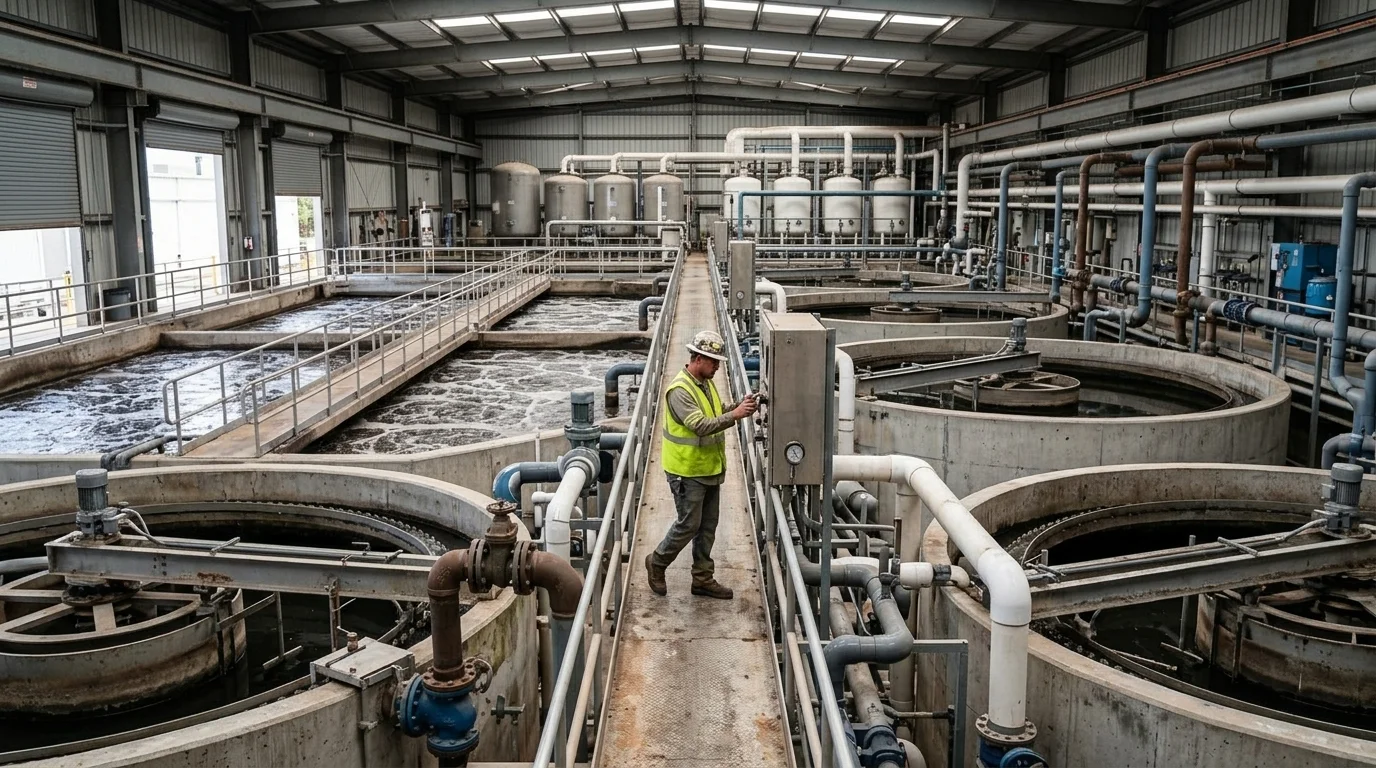
The work involves trenching new sewer lines, installing pump stations, and connecting individual properties to the municipal collection system. The exact number of properties included and the total project cost are not confirmed publicly from the bid documents alone.
Contractor selection is underway now. Once a firm is chosen and construction begins, residents will see street work and property-line connections across affected neighborhoods. How costs are split between the town, state grants, and individual homeowners remains a recurring question in Florida's septic conversion projects statewide.