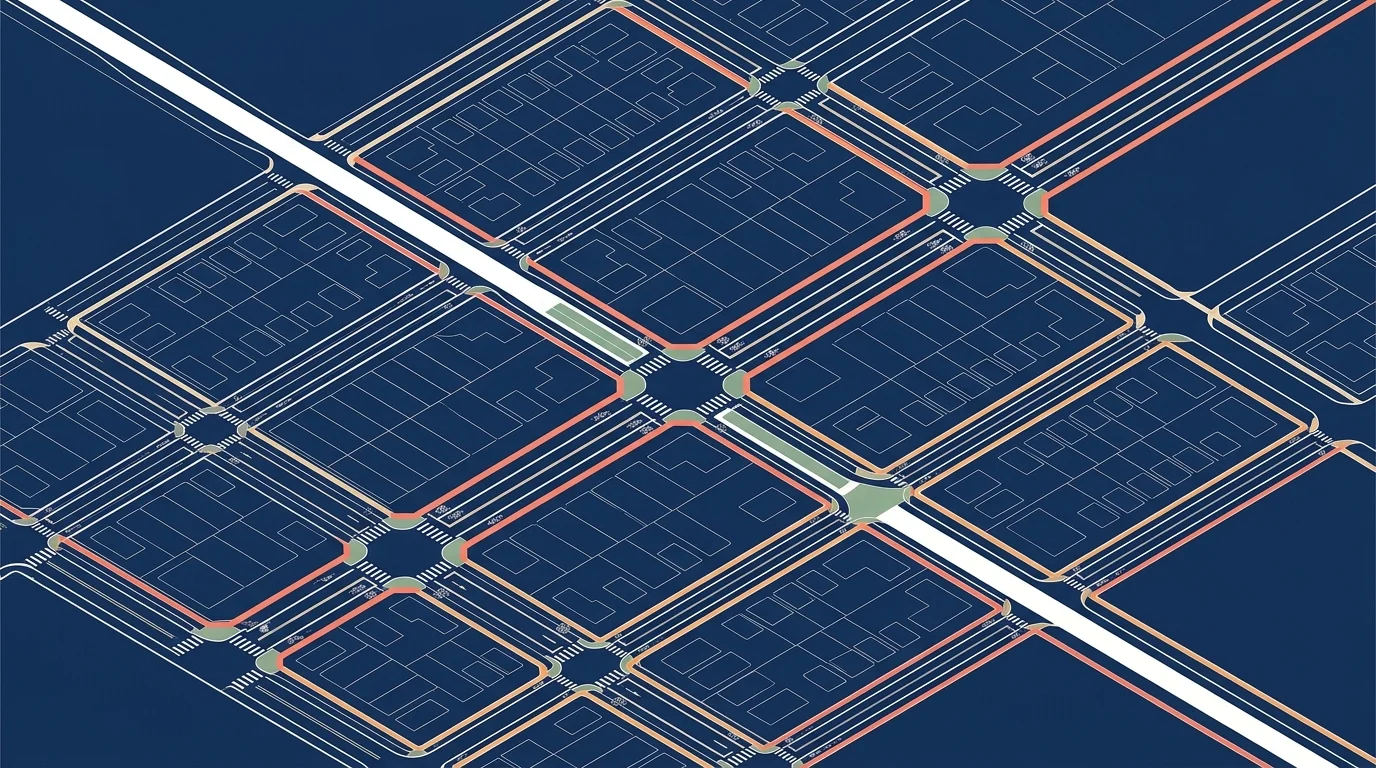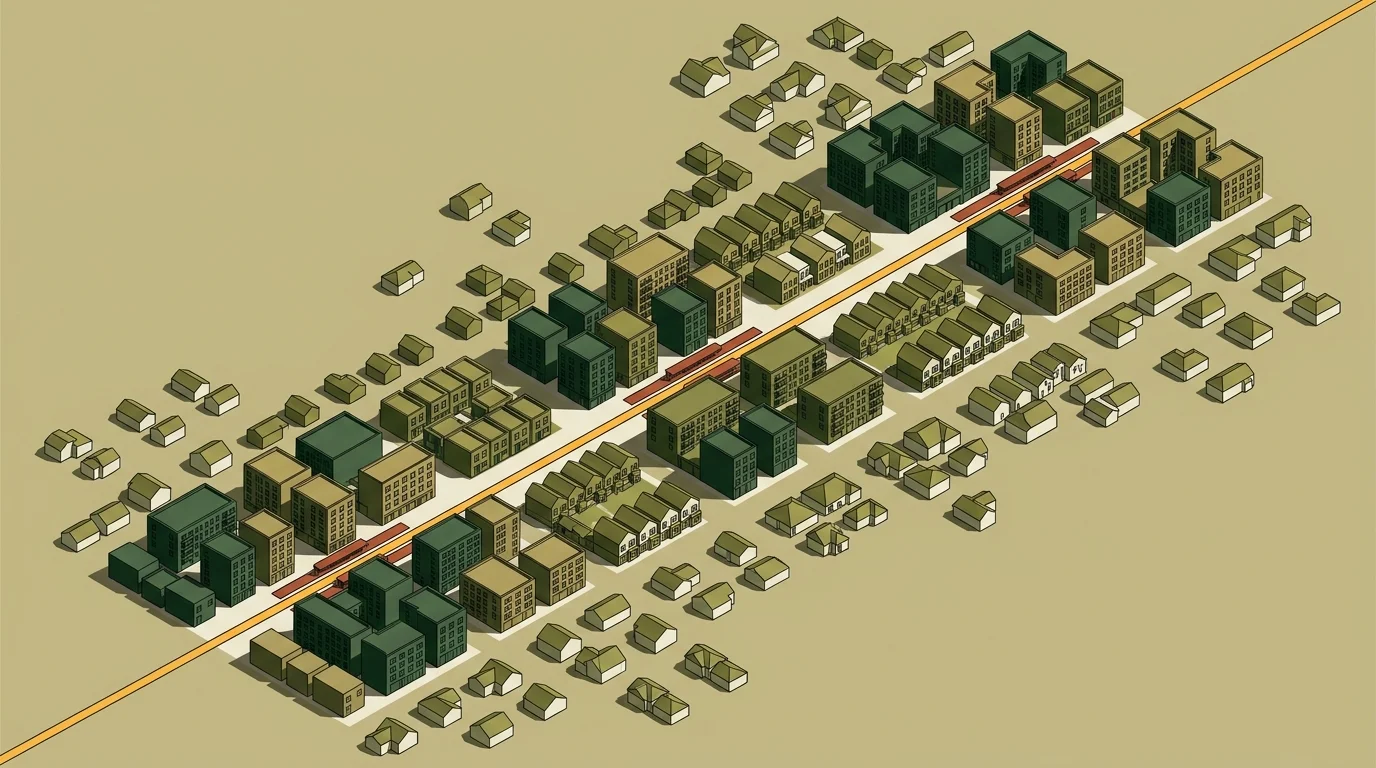
Manatee County, Florida is pushing its Gateway Greenway Trail further into the planning pipeline, launching a formal environmental and feasibility study to chart the corridor's next expansion as the county's roads struggle to keep pace with one of the fastest-growing populations in the country.
The county has grown from roughly 323,000 residents in 2010 to more than 420,000 today, a surge that has turned commutes along I-75, US-41, and SR-64 into daily frustrations. Trails like the Gateway Greenway are designed to offer an alternative, connecting neighborhoods to parks, employment centers, and the broader regional network that links into Sarasota County to the south.
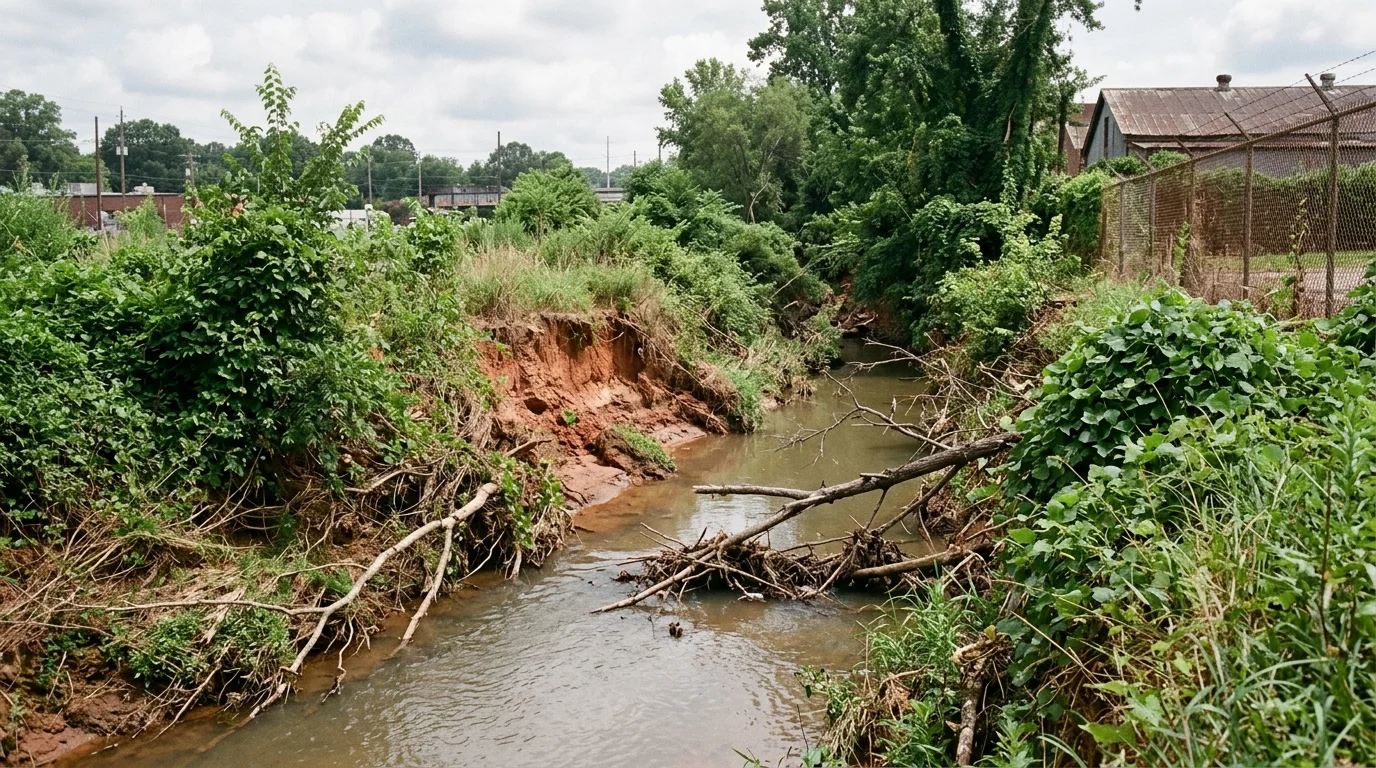
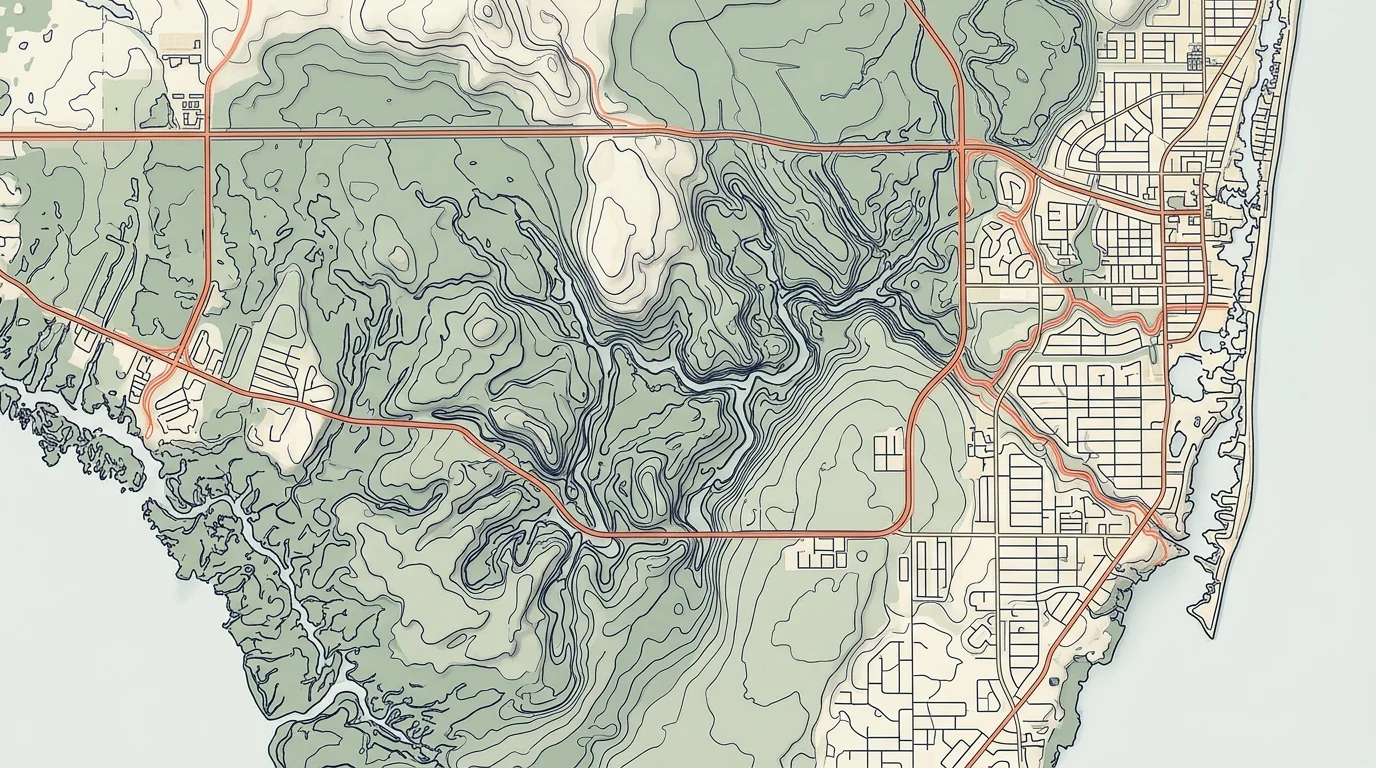
The Phase II study follows the formal Project Development and Environment process required by the Florida Department of Transportation before any trail can advance to construction. That process evaluates where the trail can realistically go, what environmental obstacles stand in the way, and how different alignment options would affect nearby communities. In a county laced with rivers, wetlands, and coastal terrain, those questions carry real weight: a wrong route can mean years of permitting battles or a dead end at a protected preserve.
Phase I of the Gateway Greenway has already moved through its own planning stages, as covered in earlier reporting on the project's progress. This second phase signals the county is committed to extending the corridor rather than treating the first segment as a standalone project.
Florida's SUN Trail program, created by the legislature in 2015 to build a statewide network of shared-use nonmotorized trails, provides a funding framework that projects like the Gateway Greenway are designed to plug into. Federal dollars from the Bipartisan Infrastructure Law have also expanded what counties can pursue for pedestrian and bicycle infrastructure.
The study will include public input, and alignment decisions often draw scrutiny from residents worried about impacts to their neighborhoods or environmentally sensitive land. No specific controversies have surfaced yet around this phase, but that tends to change once proposed routes become concrete.
Actual construction from this phase remains years away. The environmental study has to conclude, a preferred alignment has to be selected, and final engineering has to follow before a shovel goes in the ground.