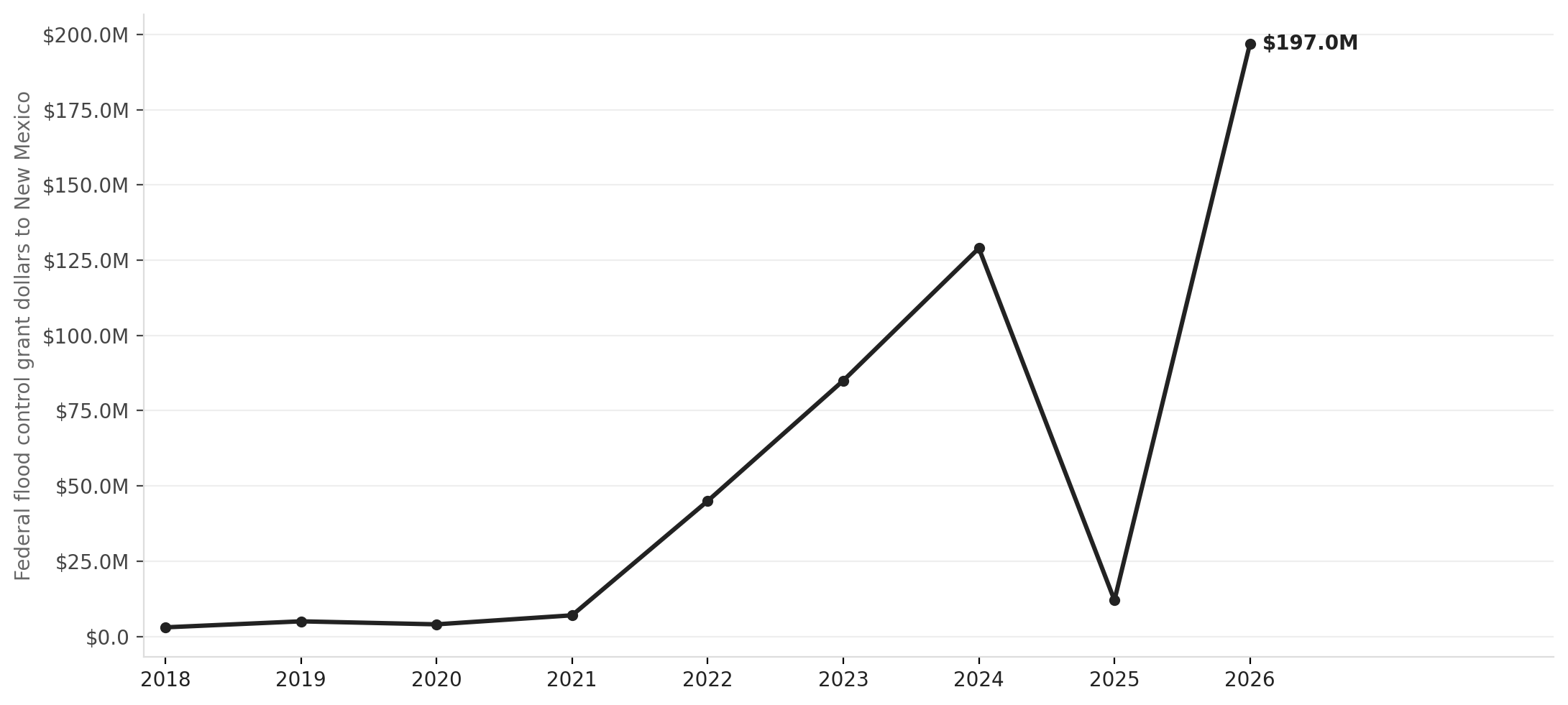
Federal grants for flood control in New Mexico have hit $197 million in the last 90 days, sixteen times the same window a year ago, and nearly all of it is flowing to two counties racing to stabilize fire-scarred watersheds before the next monsoon season turns summer thunderstorms into debris flows.
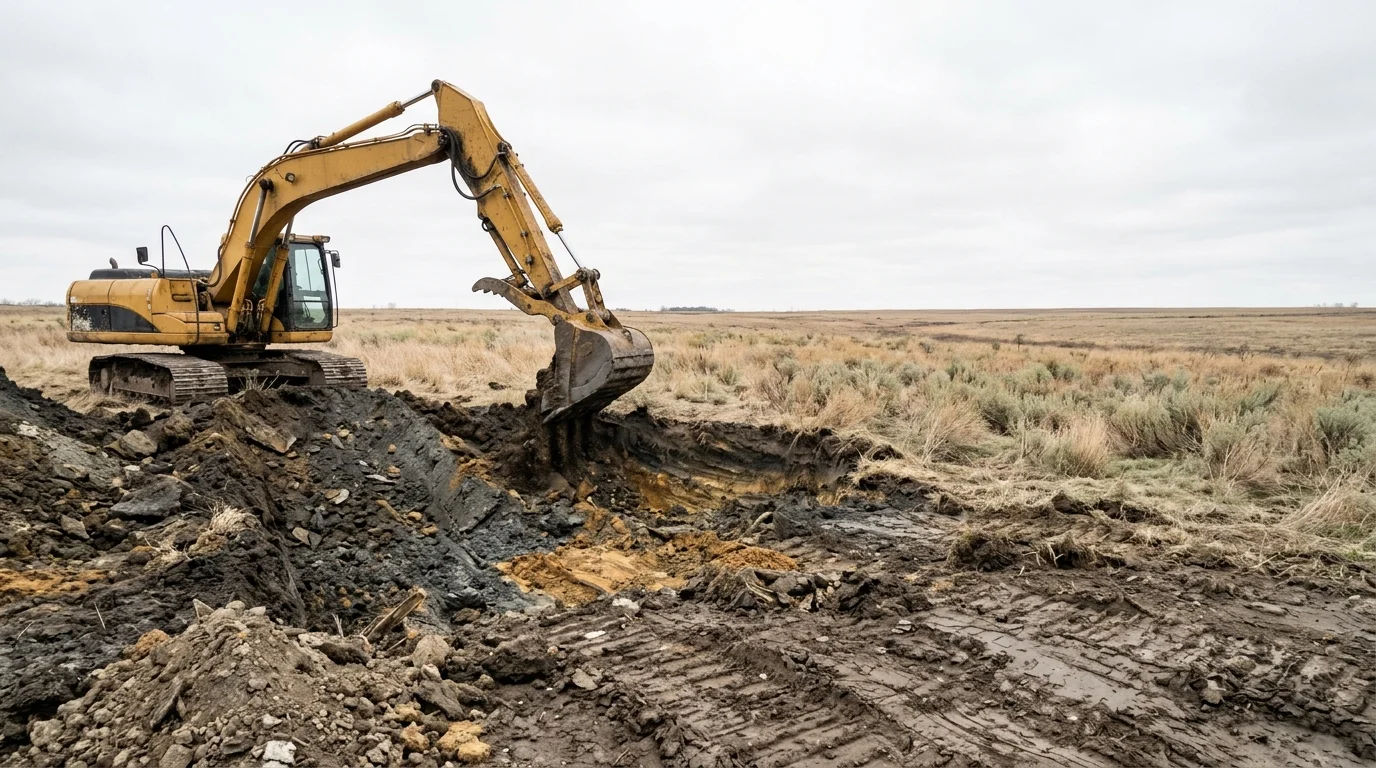
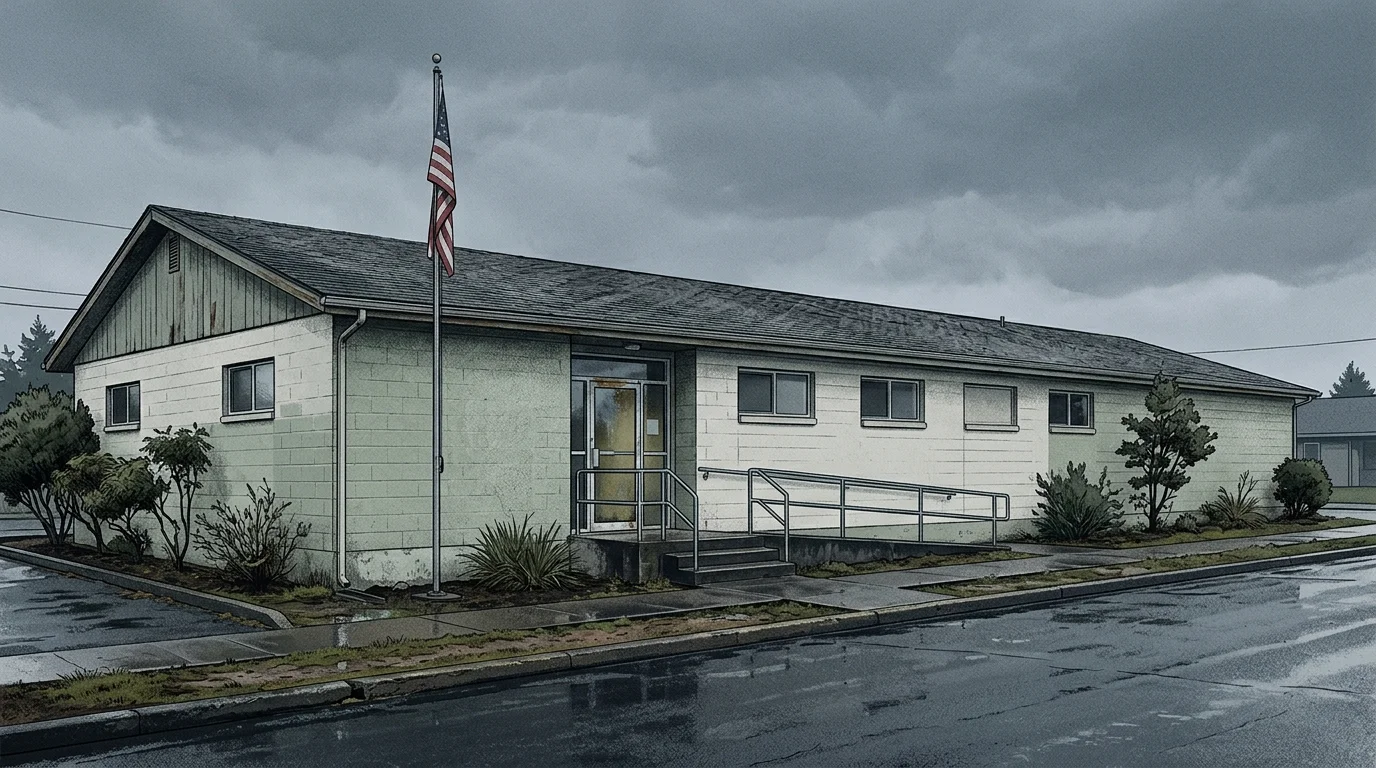
Lincoln County received $191 million on March 9 from the USDA's Emergency Watershed Protection Program, the largest single award of its kind in state history. The money funds debris removal, streambank stabilization, and emergency barriers around Ruidoso, the mountain resort town where the Rio Ruidoso surged to a record 20 feet on July 8, 2025, killing three people and damaging more than 200 homes. The flood struck less than a year after the South Fork and Salt fires burned 1,400 structures across the same watershed. Burn scars strip vegetation and compact soil, transforming hillsides into channels that send ash, mud, and boulders downslope faster than residents can evacuate.
Grant County received $5.4 million on February 17 for similar work in the Mimbres Valley, where the Trout Fire burned 47,000 acres in June and July 2025. Both grants reflect a policy shift from reactive disaster aid to pre-disaster hardening of zones the state now knows will flood when the next summer storm passes over a fresh burn scar.
Source: NationGraph.
The urgency comes from New Mexico's fire-to-flood pattern, now a near-annual cycle in high-elevation watersheds. The state has experienced at least 12 flash flood emergencies in fire-affected areas since June 2024. Lightning-sparked wildfires clear vegetation in June, monsoon rains arrive in July, and communities that survived the fire face evacuation orders every time radar shows a storm cell approaching. Ruidoso endured wildfire in June 2024, post-fire flooding that summer, the deadly July 2025 flood, and ongoing evacuation cycles through the rest of monsoon season.
Lincoln County is betting that buyouts and watershed stabilization can break the cycle. In March 2026, the county launched the Rio Safe program, an $84 million initiative to relocate roughly 400 homeowners from the most flood-prone areas along the Rio Ruidoso. It is the first home buyout program in New Mexico and the first NRCS-funded buyout tied to post-fire flooding recovery. The program marks a departure for a state that has historically rebuilt in place after disasters. Lincoln County officials have said the goal is to empty the zones where the next debris flow will arrive faster than the next warning.
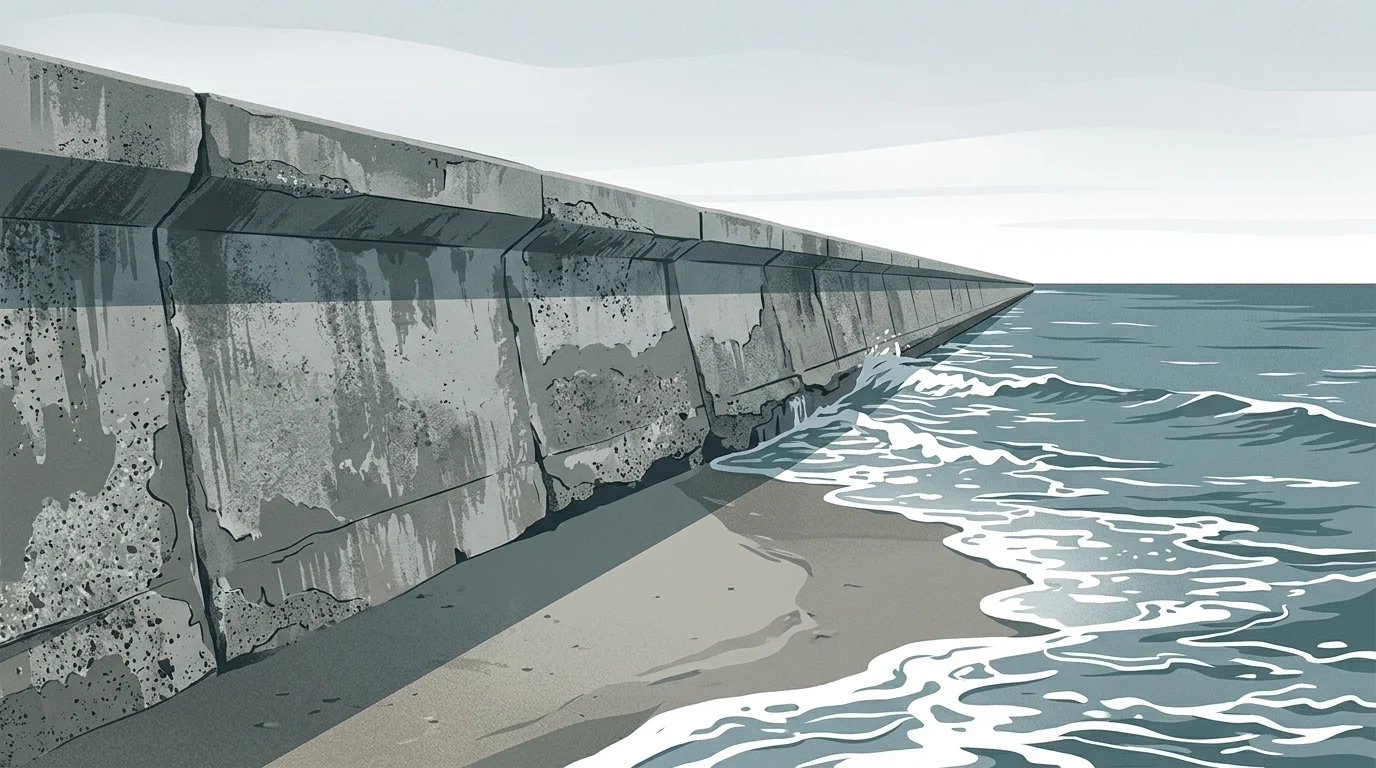
The $191 million federal award gives Lincoln County until this summer to finish debris removal, install emergency berms, and stabilize stream channels before the 2026 monsoon season begins. The timeline is tight because burn scars remain vulnerable to debris flows for at least two years after a fire, and New Mexico has fresh scars from the 2024 South Fork and Salt fires, the 2025 Trout Fire, and the 2025 Buck Fire, which burned 57,753 acres across Grant and Catron counties. Every June storm is now a flood risk assessment.
The scale of the federal response reflects the scale of the risk. New Mexico received $129 million in flood-related federal grants in 2025, much of it tied to recovery from the 2022 Hermit's Peak fire. The $197 million committed in the first 90 days of 2026 exceeds that total and signals that federal agencies are trying to move faster than the next disaster in a state where burn scars now outnumber safe monsoon seasons.
The question is whether six months and $191 million can harden a watershed that killed three people in six hours. Lincoln County is the test case. If the Rio Ruidoso stays within its banks this summer, the buyout-and-harden model will spread to Grant County and the other fire-affected watersheds across the state. If it floods again, the state will know that pre-disaster spending moved too slowly, and the managed retreat from burn scar zones will accelerate.
The 2026 monsoon season begins in June. Lincoln County's emergency berms and debris channels will face their first test within 90 days of the federal award. New Mexico has no margin left for the next summer storm.